
Moringa leaves – properties, composition and how to use them every day
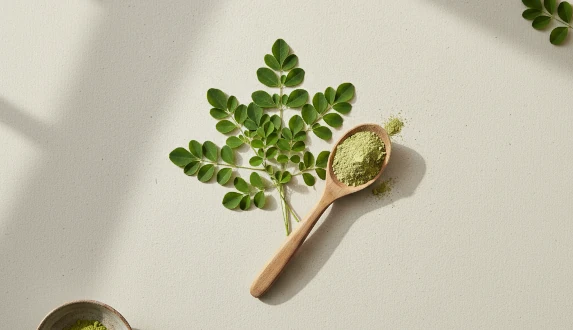
Moringa is increasingly appearing in conversations about a healthy lifestyle, balanced diet, and natural ways to strengthen the body. Although its exotic name may sound unfamiliar to many, this plant has been known and valued in natural medicine for thousands of years. Today, we are rediscovering it – in the form of dried leaves, supplements, and aromatic blends, such as yerba mate with moringa.
If you have ever asked yourself, what is moringa and why has it become so popular – this article will give you all the answers. You will learn what moringa leaves are (and where they come from), discover their rich composition and moringa properties. In the following paragraphs, we’ll look at what exactly gives this plant its extraordinary potential – the unique moringa leaves properties that make it one of nature’s most precious offerings. We will also answer some key questions:
- ➡️ Moringa – what is it good for?
- ➡️ Who should include it in their diet?
- ➡️ And moringa – how to use it every day?
Summary:
- What is moringa and where does it come from?
- Composition of moringa leaves – a wealth of nutrients
- Properties of moringa leaves
- How to use moringa leaves?
- Moringa leaves – contraindications
- Why is it worth trying moringa leaves?
What is moringa and where does it come from?
When we ask moringa – what is it? the short answer would be that it is an exceptionally valuable plant originating from the tropical regions of the world. But if we delve a bit deeper, we quickly discover that its broad nutritional profile, versatility and natural benefits make it a true superfood. Moringa tree leaves are packed with vitamins, microelements and antioxidants that support the body on many levels – from the nervous system, through immunity, to metabolism and healthy skin.
Moringa oleifera, commonly known as the horseradish tree, belongs to the Moringaceae family and gets its English name from the slightly spicy flavour of its roots. The most popular forms of this plant are dried moringa leaves and moringa powder – perfect for preparing drinks, smoothies, and teas.
Moringa tree – origin and areas of cultivation
Moringa originates from the southern regions of the Himalayas, but today it is cultivated in many parts of the world with warm, tropical or subtropical climates. It can be found across South Asia (India, Pakistan), Africa (Ethiopia, Nigeria, Sudan), and also in South and Central America. The plant is highly resistant to drought and grows quickly, which makes it a valuable source of food in areas where other crops often fail.
In local cultures, moringa has been valued for centuries. In India, it has long been used in Ayurveda – a traditional system of natural medicine that attributes over 300 beneficial moringa uses. In Africa, moringa leaves are added to soups and sauces as a rich nutritional source, while in South America the plant is treasured as a natural tonic supporting digestion and vitality.
💡 Did you know? The moringa tree can grow up to 3 metres per year and almost every part of it – from the roots to the leaves – can be used. No wonder it is often called the “tree of the future”.
Thanks to its tropical origin, moringa thrives in sunny, high-temperature environments. It does not require rich soil, which makes it extremely resilient and easy to cultivate. For this reason, moringa leaves can be harvested almost all year round, ensuring a high-quality raw material that is available both as dried leaves and as moringa powder.
Why is moringa called the “tree of life”?
It is not without reason that people call it the “tree of life”. The name stems from the fact that almost every part of the moringa plant has nutritional or practical value. Moringa tree leaves are eaten as a vegetable, the seeds are used to produce oil, and the roots and bark find applications in traditional natural therapies. In regions where nutrient deficiencies are common, moringa serves as a vital source of protein, iron, calcium, and vitamin C.
The nutritional moringa properties are impressive: moringa leaves are rich in B vitamins, as well as vitamins E and K, and contain potassium, iron, magnesium, and fibre. Regular consumption supports the immune system, concentration, digestion, and overall energy levels. That’s why you’ll often find it as an ingredient in healthy drinks, smoothies, teas, or yerba mate blends enriched with moringa – combining the stimulating effect of mateine with the nourishing power of green leaves.
🌿 Moringa – natural support for body and mind
- ✔️ High content of vitamin C and antioxidants.
- ✔️ Source of iron, calcium and potassium.
- ✔️ Helps support immunity and mental focus.
- ✔️ Perfectly complements yerba mate and other infusions.
The “tree of life” metaphor is no exaggeration – in many places around the world, this really is a tree that provides nourishment and vitality. Today, moringa is recognised as an easy and natural way to help maintain balance in the body. Moringa leaves and moringa powder are increasingly used in nutritional products and everyday diets as a natural source of energy and wellbeing.

Composition of moringa leaves – a wealth of nutrients
Moringa – for what? If you’re wondering what makes this plant so extraordinary, the answer lies in its composition. Moringa leaves are a true treasure trove of vitamins, minerals, proteins and bioactive compounds, which is why they are considered among the most nutritious plants in the world. Scientific publications repeatedly emphasise that moringa tree leaves contain far more microelements than many commonly known fruits and vegetables.
According to available research, moringa contains up to seven times more vitamin C than oranges, ten times more vitamin A than carrots, fifteen times more potassium than bananas, and twenty-five times more iron than spinach. Impressive, isn’t it? No wonder moringa powder quickly became a favourite among those following a balanced diet, athletes, and natural living enthusiasts.
💡 Did you know? Moringa leaves contain as much as 19-37% dietary fibre and up to 29% plant protein. This means they not only support a well-rounded diet but can also be a valuable addition during periods of increased nutrient demand.
This impressive nutritional profile makes moringa a valuable part of a balanced diet – both in the regions where it grows naturally and among those who use it as a superfood supplement. Its mild flavour makes it easy to combine with other ingredients, such as yerba mate, matcha or green tea.
Vitamins and minerals in moringa leaves
The greatest strength of moringa leaves lies in their versatility. Each small leaf contains a wide set of micronutrients rarely found together in one plant. So, what exactly is inside?
- ✔️ Vitamin C – supports the body’s natural defence processes and is one of the strongest antioxidants in nature. Moringa leaves contain many times more vitamin C than citrus fruits.
- ✔️ Vitamin A (in the form of beta-carotene) – crucial for the normal function of the mucous membranes, skin and vision. Its abundance contributes to the proper balance of cellular metabolism.
- ✔️ B vitamins – mainly B1 (thiamine), B2 (riboflavin), B3 (niacin) and B6, which help the body efficiently convert food into energy and support the nervous system.
- ✔️ Vitamin E – an antioxidant that helps neutralise free radicals produced in cells during oxidative stress.
- ✔️ Iron – its high concentration makes moringa a potential dietary support for people at risk of deficiency. In traditional medicine, moringa leaves have long been valued for their ability to support normal blood formation.
- ✔️ Calcium – a mineral essential for the proper structure of bones and teeth, and also for the correct function of muscles and nerves.
- ✔️ Magnesium, zinc and potassium – this trio helps maintain electrolyte balance, focus, and muscle function.
The unique combination of these ingredients makes moringa leaves an especially beneficial component of a daily diet. With their gentle, pleasant flavour, they form a perfect addition to beverages such as yerba mate with moringa or green tea. Including them regularly can help support vitality and overall wellbeing – naturally.
📌 Summary – key moringa ingredients:
- 🍊 Vitamin C – 7x more than in oranges
- 🥕 Vitamin A – 10x more than in carrots
- 🍃 Iron – 25x more than in spinach
- 🍌 Potassium – 15x more than in bananas
- 🥛 Calcium – 17x more than in milk
Scientific studies published in journals such as BioTechnologia and MDPI Plants confirm that moringa has a remarkably high nutritional and antioxidant potential. Regular inclusion in the diet may contribute to supporting the body’s natural defence and regenerative processes — making it one of the most versatile plants in the world of modern superfoods. These moringa properties are what make it such an exceptional addition to a healthy lifestyle.
What makes moringa stand out among other superfoods?
Although the list of known superfoods constantly expands – from spirulina and chlorella to matcha and young barley – moringa holds a special place among them. Its uniqueness lies not only in its rich composition but also in the fact that almost every part of the plant – from its seeds to its leaves – can be used in food or beauty routines. Moringa leaves can be dried and ground, the seeds can be pressed for oil rich in omega‑9 fatty acids, while the roots and bark have a long history in traditional medicine.
Compared to other popular superfoods like spirulina or chlorella, moringa boasts a more neutral flavour and is easier to use. It doesn’t overpower the taste of dishes, which makes it perfect for adding to smoothies, shakes, infusions or even baking recipes. This makes it much more practical and adaptable for everyday use.
In terms of nutritional value, moringa is comparable to the best-known plant-based superfoods – and in some aspects, it even surpasses them. It contains not only a full spectrum of vitamins and minerals but also valuable essential amino acids, just like spirulina, playing an important role in protein metabolism within the body.
Spirulina is a microalga high in protein and chlorophyll, but its taste can be off‑putting. Moringa, however, is milder and offers a broader spectrum of vitamins (A, C, E and B) and minerals (iron, calcium, potassium).
Chlorella supports detoxification but is often difficult for the body to absorb. Moringa provides better bioavailability of nutrients and a smooth, gentle taste, making it easier to consume daily.
To summarise: its versatility, mild taste, and nutrient‑dense profile are what make moringa often described as the most complete plant‑based superfood. It’s available in convenient forms – as moringa dried tree leaves, moringa powder or ingredient in herbal blends such as yerba mate with moringa – combining flavour, natural energy and nutrition in every sip. Its remarkable moringa effects make it an ideal component of a modern, balanced lifestyle.
Properties of moringa leaves
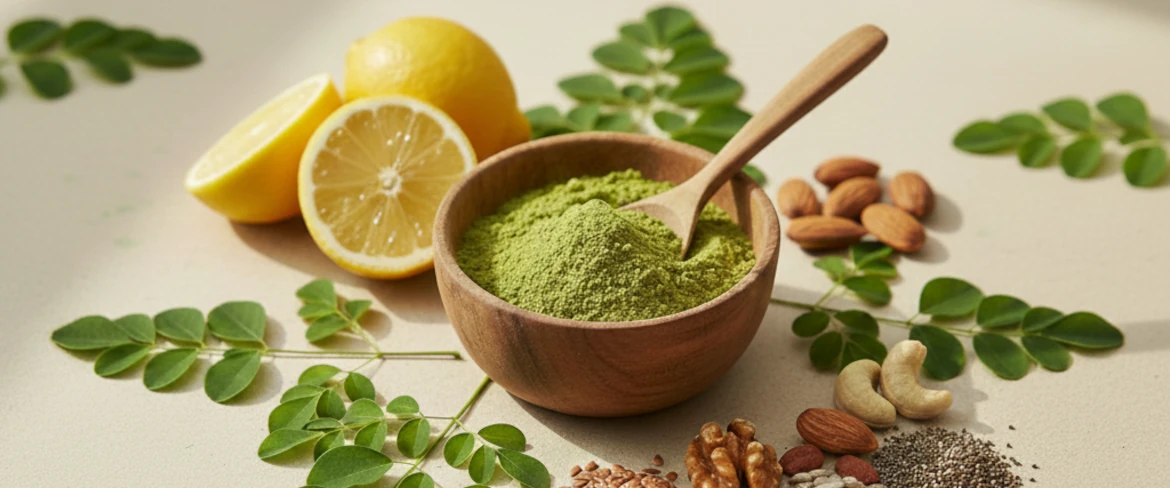
The exceptional value of moringa leaves lies not only in their rich composition but also in their wide moringa uses that naturally support various bodily functions. Studies have shown that the flavonoids, polyphenols, isothiocyanates and B vitamins present in moringa may have beneficial effects on the immune system, the nervous system, and the metabolism. Interestingly, moringa exhibits both anti-inflammatory, antioxidant and balancing effects – which is why it has been known in Ayurvedic medicine for centuries as the “Tree of Life”. With this unique profile of nutrients, researchers highlight the moringa properties that may bring multiple health benefits through its nutritional and bioactive compounds.
Modern scientific research has confirmed that regular consumption of moringa leaves can support immunity, help neutralise free radicals in the body, and aid in maintaining proper glucose and lipid balance. The biologically active compounds – such as quercetin, rutin, chlorophyll, phenolic acids and isothiocyanates – assist in maintaining inner biochemical balance, making moringa one of the most comprehensive plant-based superfoods.
Moringa leaves for supporting immunity and the nervous system
Moringa is rich in nutrients that naturally support both immune and nervous system functions. Its high content of vitamin C and bioactive flavonoids such as quercetin and kaempferol strengthen the body’s natural defences and reduce the effects of oxidative stress. Thanks to its B vitamins, moringa can also potentially promote brain function, mental clarity and overall wellbeing.
The compounds found in these leaves, including beta‑carotene, iron and magnesium, play key roles in energy production and neurotransmitter synthesis. More recent scientific papers have explored moringa’s influence on mental health, noting its possible support for balanced neurotransmitter levels – which could contribute to improved mood and vitality.
💬 Scientific source: A. U. Kalthum et al., An insight into the neuroprotective and anti-neuroinflammatory effects and mechanisms of Moringa oleifera, Frontiers in Pharmacology, 2022.
In practice, moringa leaves can be a valuable addition to the diet for people exposed to stress, fatigue or decreased immunity – especially during periods of increased need for vitamins and minerals.
Moringa – influence on metabolism, digestion and blood sugar balance
Moringa leaves are rich in dietary fibre and phytonutrients that help maintain healthy digestion. The plant’s polyphenols are known to enhance the activity of digestive enzymes and support the elimination of toxins from the body. Owing to its flavonoids and isothiocyanates, moringa can also help regulate metabolic processes and contribute to stable blood glucose levels.
Animal studies suggest that extracts from moringa leaves may improve tissue sensitivity to insulin and aid in maintaining glycaemic stability – a mechanism linked with the presence of chlorogenic acid and nioleferan. Although more human clinical trials are needed, these results indicate the plant’s potential as a natural aid in maintaining healthy carbohydrate metabolism and weight control.
💬 Scientific source: M. A. Hamza et al., Health benefits of Moringa oleifera: Used as an anti-diabetic agent, International Journal of Agricultural Research, Innovation and Technology, 2023.
Furthermore, the fibre in moringa leaves can promote a longer-lasting feeling of satiety, making it a useful ingredient for maintaining a healthy diet and body weight. For that reason, it is often present in natural supplements that support metabolism and appetite control. When accompanied by physical activity and a balanced diet, moringa effects can be part of a healthy lifestyle.
Anti-inflammatory and antioxidant activity of moringa leaves
One of the most thoroughly researched moringa effects is its anti-inflammatory and antioxidant activity. Moringa leaves are rich in flavonoids (such as quercetin, isoquercitrin, moringinine and astragalin) and isothiocyanates – compounds that neutralise free radicals and help protect cells from oxidative damage.
According to research, moringa may enhance the activity of antioxidant enzymes such as SOD (superoxide dismutase), catalase (CAT) and glutathione peroxidase (GPx), which form part of the body’s natural protective mechanisms. Experimental models also show a reduction in malondialdehyde (MDA) – a marker of lipid peroxidation – following the administration of moringa leaf extract.
💬 Scientific source: S. Sreelatha, P. R. Padma, Antioxidant activity and total phenolic content of Moringa oleifera leaves in two stages of maturity, Plant Foods for Human Nutrition, 2009.
Thanks to its high antioxidant potential, moringa is often incorporated into cleansing and detox-focused diets aimed at cell protection and regeneration. These moringa properties support natural renewal processes and can improve overall wellbeing – especially when combined with other healthy beverages like yerba mate infused with moringa leaves.
Moringa – influence on skin, hair and overall wellbeing
The beneficial effects of moringa are not limited to the inside of the body. It has long been used as a valuable ingredient in natural skincare and beauty treatments. Moringa oil, extracted from its seeds, is lightweight, nourishing, and rich in vitamins A, E and omega‑9 fatty acids – helping to moisturise and protect both skin and hair.
Meanwhile, regularly consuming moringa leaves can enhance skin radiance and elasticity. Their high antioxidant and chlorophyll content supports cellular renewal, while vitamins A, C and E alleviate the effects of oxidative stress. Minerals such as zinc and silicon participate in collagen synthesis, contributing to improved skin health.
Continuous use of moringa is also associated with a greater sense of energy and vitality – an effect linked to its nutrient balance, iron content and ability to support oxygen transport in tissues.
🌸 Moringa for beauty and vitality:
- ✔️ Vitamins A, C and E help rejuvenate the skin and hair.
- ✔️ Zinc and iron support natural radiance and oxygenation of tissues.
- ✔️ Moringa oil locks in moisture and protects from dryness.
- ✔️ Regular use promotes higher energy levels and vitality.
For this reason, moringa is known not only as the “tree of life” but also as the “plant of beauty and energy”. It is a naturally effective way to maintain both inner and outer glow every day.
How to use moringa leaves?
Moringa – how to use it to make the most of its potential? There are many ways to include this plant in your daily routine, which makes it an exceptionally versatile ingredient. Depending on your lifestyle and needs, you can choose between fresh leaves, dried leaves, moringa powder or ready-made supplements. There is no single “best” form – consistency matters more than anything else. If you enjoy herbal infusions, try tea made from moringa leaves or yerba mate enriched with moringa. If you prefer a quicker option, add moringa powder to smoothies, juices or meals.
Whichever method you choose, regular consumption of moringa helps to complement the diet with natural vitamins and minerals. Below are some simple ways to make this green wonder a part of your everyday habits – easy, pleasant and beneficial!
In what forms are moringa leaves available?
Moringa products can be found in many forms, each with a slightly different use – from culinary to dietary supplementation. You can select whichever suits you best:
- 🌿 Fresh moringa leaves – in countries where the plant grows naturally, the leaves are eaten as vegetables, often added to soups or salads. Where fresh moringa is unavailable, dried leaves make a perfect alternative.
- 🍃 Dried moringa leaves – perfect for preparing infusions and herbal teas. They retain most nutrients and have a pleasant, mild flavour.
- 🌱 Moringa powder – the most convenient and popular form, made from finely ground dried leaves. It easily blends into water, juices, smoothies or recipes. Ideal for people with an active lifestyle.
- 💊 Moringa capsules – a convenient option for those who prefer supplementation in measured doses. They make it easy to control intake.
- 🍵 Moringa tea or yerba mate with moringa – combines the herbal properties of moringa with the invigorating effects of caffeine from yerba mate. A perfect, natural energy boost.
If you’re just starting your journey with moringa, it’s best to begin with the dried leaves or moringa powder. Both are versatile – you can drink them as infusions or add them to food. Moringa leaves have a mild, slightly herbal taste that blends beautifully with a wide range of ingredients, whether sweet or savoury.
💡 Good to know: Moringa powder, thanks to its fine texture, is absorbed more quickly than the dried form, while infusions from the leaves have a milder effect and can be enjoyed more frequently – for example, one to two cups per day.
How to include moringa in your diet?
There are countless ways to use moringa in the kitchen – from classic herbal teas to green smoothies or nutritious soups and salads. Its subtle nutty-herbal flavour pairs wonderfully with many dishes, making experimentation easy and enjoyable.
Here are some of the most popular methods of consuming it:
- ✔️ As a tea or infusion made from dried moringa leaves (see below how to prepare it).
- ✔️ As a smoothie booster – add to morning shakes made with fruits, yoghurt, or plant-based milk.
- ✔️ As a seasoning for soups, sauces and salads – moringa powder blends well without altering the flavour dramatically.
- ✔️ As a supplement capsule – a quick way to get your daily green portion.
Infusion made from dried moringa leaves
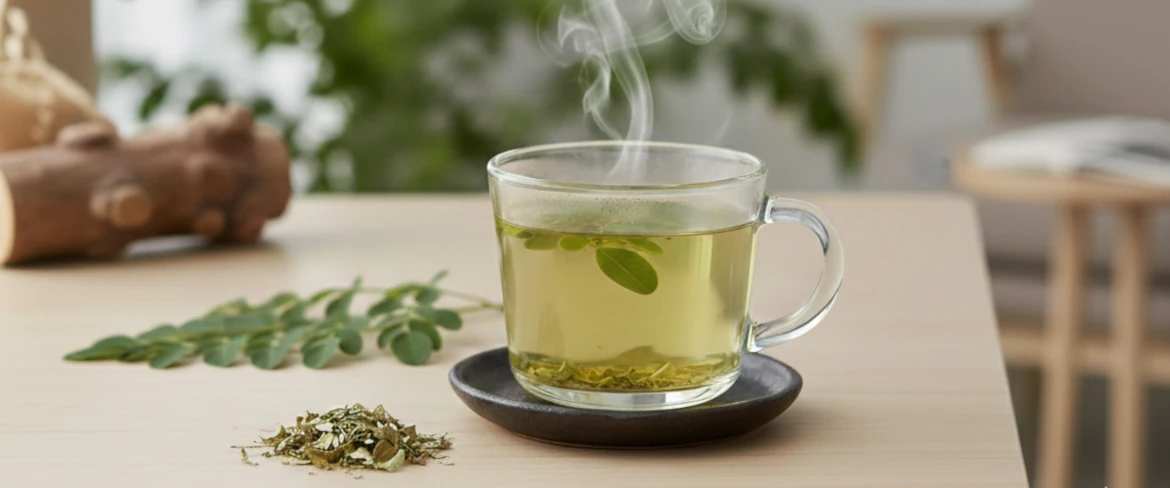
Dried moringa leaves make an excellent base for a light herbal tea or infusion. The drink is refreshing, green in colour and pleasantly mild in taste. To prepare, add one to two teaspoons of leaves to a mug or teapot, pour hot (but not boiling) water at around 80-85°C, and steep for 5-7 minutes. You can drink it pure or enhance it with lemon, honey, or mint.
One of the most interesting combinations is moringa with yerba mate. This duo combines moringa’s nutritional value with yerba mate’s energising effect, creating a perfect herbal beverage for people looking for a natural energy boost throughout the day.
A yerba mate blend with moringa, horsetail and burrito herbs – mild, herbal and invigorating.
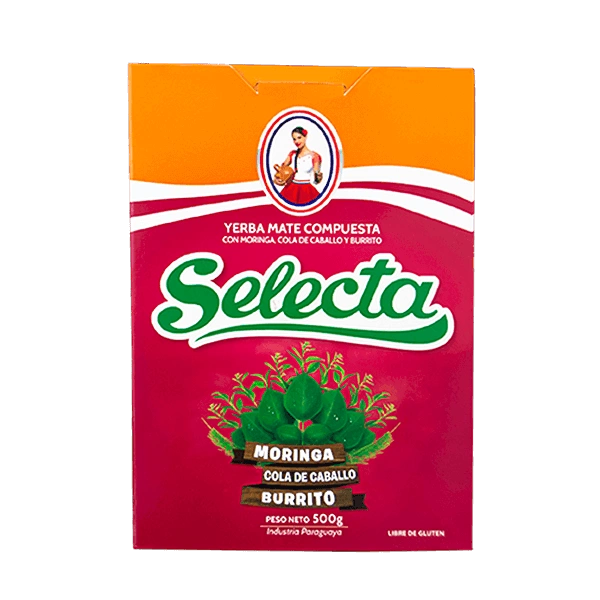
Paraguayan yerba mate with a green, herbal and slightly spicy aroma. Contains moringa, katuava and burrito.
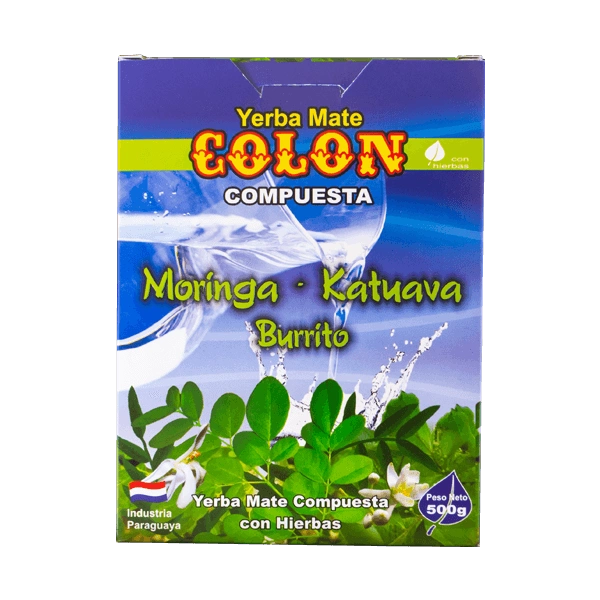
For best results, enjoy moringa or moringa-infused drinks regularly – one or two cups a day are plenty. Its soft taste and refreshing character make it suitable both in the morning and in the evening.
Moringa leaves – addition to smoothies, salads and meals
If you enjoy culinary experiments, moringa works wonderfully as an ingredient in everyday meals. Add a teaspoon of moringa powder to morning smoothies, porridge or yoghurt bowls – and you’ll get an extra nutritious, green boost of energy. In savoury dishes, it complements dressings, soups and sauces, enriching them with antioxidants and minerals without overpowering the taste.
Inspiration for using moringa in the kitchen:
- 🥗 Smoothie with moringa, banana, spinach and plant-based milk.
- 🍶 Creamy yoghurt and herb sauce with moringa and garlic.
- 🍲 Broccoli cream soup with a spoonful of moringa powder.
- 🥣 Green spelt pancakes with a hint of moringa.
💡 Tip: Add a pinch of moringa powder to pesto or hummus for a beautiful, rich green colour and a natural nutritional upgrade.
Moringa – supplementation
Supplementing with moringa is a good option for those with increased demand for nutrients – e.g. during winter, intensive work or training seasons. In capsule form, moringa provides a convenient way to consume a concentrated dose of the plant’s active compounds.
The typical recommended intake is 1-2 capsules daily (or as instructed by the manufacturer), ideally taken with a meal. For moringa powder, generally one teaspoon (around 2-3 grams) daily is sufficient. Whichever form you choose, make sure to select products from reputable sources with verified purity and quality.
At MateMundo you’ll find premium-quality dried moringa leaves and natural products containing moringa, all sourced from certified plantations.
❗ Remember!
Although moringa is a natural product, supplementation – like any other form of dietary intake – should be adapted to your individual needs. Anyone taking medication or with chronic health conditions should consult their doctor before starting regular use.

Moringa leaves – contraindications
Although moringa leaves are a natural and valuable component of a healthy diet, it’s important to note that they may not be suitable in every situation. While most people tolerate moringa well, in certain cases caution is advised, and it is best to consult a medical professional before starting supplementation.
The most important moringa contraindications include the following:
- ❌ Pregnancy and breastfeeding – moringa should not be used during this time, as some compounds found in the roots and bark may stimulate uterine contractions. Although the leaves are considered safer, it’s always advisable to seek medical advice.
- ❌ People taking medication to lower blood sugar or blood pressure – moringa may intensify the effects of such medicines, potentially leading to overly low glucose or blood pressure levels. Anyone currently on prescription drugs should discuss moringa use with their doctor.
- ❌ Hormonal imbalances or thyroid disorders – some studies suggest that moringa could influence hormonal equilibrium, so it should be introduced gradually and cautiously.
- ❌ Allergies or hypersensitivity – as with any plant-based product, allergic reactions are possible. It’s recommended to begin with small amounts to check tolerance.
It’s essential to evaluate your individual health condition and consider any potential interactions with medications before using this supplement. Consulting a doctor or pharmacist is the best way to ensure that moringa will be a safe and appropriate addition to your diet and wellbeing routine.
📌 Summary: Moringa is generally safe for most people when used in moderation. However, avoid it during pregnancy and breastfeeding and be cautious if you are treating diabetes, high blood pressure or thyroid conditions. Always consult a healthcare professional before starting any new supplement or introducing moringa regularly.
Why is it worth trying moringa leaves?
Moringa is a truly exceptional plant that has rightfully gained popularity among people who value health, natural energy and wellbeing. Its leaves are a natural source of vitamins, minerals, amino acids and antioxidants that support the body from the inside out – helping to maintain energy, immunity, and balance. For these reasons, moringa is a great addition to an everyday diet, regardless of lifestyle.
Regularly including moringa in your meals is a simple way to provide the body with essential nutrients in an easily absorbable form. Its uses are wonderfully diverse – suitable for drinks, meals and even cosmetics. Often called the “tree of life”, moringa combines the vitality of nature with the delicate character of herbs, offering one of the most versatile examples of plant-based wellness.
Moringa is a symbol of natural energy, nourishment and harmony. It’s worth choosing it as a simple, natural way to support both body and mind – every day.
Discover how you can further enrich your diet with other natural delights – from dried fruits and spices to herbs and plant-based additions. Each of them, just like moringa, allows you to enjoy the pure taste of nature at its best.
Choose what is natural – feel the power of plants with Vivarini!
❓ FAQ – questions about moringa leaves, their use and properties
1. How often should you take moringa?
2. Who is moringa best suited for?
3. What’s the difference between moringa powder and moringa leaves?
4. What are the main properties of moringa and why should it be used?
5. Does moringa have any contraindications?
Sources of information:
- Wikipedia: Moringa oleifera.
- V. Sharma et al., Nutritional content and renoprotective potential of miracle tree (Moringa oleifera), BioTechnologia, 2025.
- A. Bhuker et al., Probing the Phytochemical Composition and Antioxidant Activity of Moringa oleifera under Ideal Germination Conditions, MDPI Plants, 2023.
- M. A. Hamza et al., Health benefits of Moringa oleifera: Used as an anti-diabetic agent, International Journal of Agricultural Research, Innovation and Technology, 2023.
- A. Chis et al., Bioactive Compounds in Moringa oleifera: Mechanisms of Action, Focus on Their Anti-Inflammatory Properties, MDPI Plants, 2023.
- U. K. Azlan et al., An insight into the neuroprotective and anti-neuroinflammatory effects and mechanisms of Moringa oleifera, Frontiers in Pharmacology, 2022.
- U. K. Azlan et al., A Comprehensive Review with Updated Future Perspectives on the Ethnomedicinal and Pharmacological Aspects of Moringa oleifera, MDPI Molecules, 2022.
- R. Peñalver et al., Nutritional and Antioxidant Properties of Moringa oleifera Leaves in Functional Foods, MDPI Foods, 2022.
- S. Sreelatha, P. R. Padma, Antioxidant activity and total phenolic content of Moringa oleifera leaves in two stages of maturity, Plant Foods for Human Nutrition, 2009.
- 6 Science-Based Health Benefits of Moringa Oleifera, healthline.com.
Recommended

SELECTA Compuesta con Moringa, Cola de Caballo, Burito 0,5kg

Colon Moringa - Katuava - Burrito 0,5kg
