
Yerba mate in the morning or evening? The key to a healthy sleep

A morning without coffee? For many, that sounds unthinkable. Yet more and more people are swapping their espresso cup for a gourd filled with yerba mate – a brew that stimulates the body without fraying the nerves. As this drink gains popularity, one question comes up increasingly often: does yerba mate affect sleep? Can its invigorating properties, which help us stay alert during the day, make it harder to fall asleep? Are yerba mate and sleep a perfect match – or a complicated relationship?
Yerba mate is the ideal drink for those who want to get more out of themselves – at work, during training or while studying. It is a natural source of energy that, instead of a quick jolt, provides a long‑lasting boost of strength and mental clarity. But how does it relate to rest? If it contains caffeine, won’t it make falling asleep more difficult? Or maybe yerba mate richness in vitamins and antioxidants actually supports recovery after a long day?
We decided to take a closer look – without myths, but based on science and the experience of mate enthusiasts. Let’s explore how yerba mate actually affects the body, when to drink yerba mate, and whether an evening cup is a recipe for insomnia – or perhaps part of a healthy routine. Whether you already drink yerba mate regularly or are just thinking about it, this article will help you find your natural rhythm between stimulation and good sleep.
Summary:
- Why does yerba mate have a stimulating effect?
- Yerba mate and sleep – does it affect falling asleep?
- When is the best time to drink yerba mate?
- The health properties of yerba mate supporting regeneration
- How to drink yerba mate to support a healthy daily rhythm?
Why does yerba mate have a stimulating effect?
Before we dive into how yerba mate affects sleep, it’s worth understanding what makes this infusion so effective in boosting energy and focus. The leaves and twigs of the Ilex paraguariensis plant contain not only caffeine, but also a variety of active compounds that together form a unique stimulating “micro‑cocktail”. Among them you’ll find theobromine and theophylline – alkaloids that have effects similar to caffeine, though gentler and longer lasting. It’s this synergy that makes the yerba mate effects so distinctive – energising, but not jittery.
Unlike coffee, which often produces an instant “energy spike”, yerba mate’s effect develops gradually and sustains you for hours. This is one of the main advantages of the stimulating yerba mate properties – the drink not only increases alertness and mental clarity but also keeps your energy levels stable, avoiding that sudden slump a couple of hours later.
💡 Did you know? The yerba mate effects are often described as “bright stimulation” – unlike coffee, which can cause a sudden energy surge, yerba mate maintains it steadily, giving a sense of focus and inner balance.
The caffeine in yerba mate – how much caffeine is in yerba mate really?
The yerba mate caffeine content can vary depending on the brand, type of dried leaves, and method of preparation. Wondering: how much caffeine is in yerba mate? On average, an infusion made from 50 grams of leaves contains between 70 and 130 mg of caffeine – enough to answer the question how much caffeine is in yerba mate compared with coffee. That’s roughly the same as in a good cup of coffee, but the way your body absorbs it differs. Yerba mate is absorbed more slowly, and its effects last longer; therefore, the stimulation fades gradually rather than ending with an energy crash.
The yerba mate effects – and particularly its caffeine levels – depend not only on the type of leaves but also on how much you use, how long you brew it and the temperature of the water. The optimal temperature is about 70-80°C – this allows yerba mate to release caffeine evenly while keeping its full flavour and aroma. Water that is too hot (above 90°C) essentially scorches the leaves, making the infusion bitter and reducing its quality. Interestingly, tereré – the cold‑brew version – also releases an optimal amount of caffeine, resulting in a milder yet still noticeable buzz and a naturally refreshing taste.
If you’re looking for a stronger kick, check out energising yerba mate blends – they often contain natural additives like guarana that intensify the yerba mate caffeine effects. That way you can easily adjust the strength of your drink to the time of day and your needs – a milder tereré on a hot afternoon, or a strong guarana‑infused yerba mate in the morning for a solid energy boost.
👉 If you want to compare the yerba mate caffeine content to that of coffee in more detail and learn why yerba mate’s effect feels smoother and longer lasting, visit our article: Caffeine in yerba mate and coffee – why choose mate tea?.
How does caffeine affect the body and the nervous system?
Yerba mate caffeine works by blocking adenosine receptors – chemicals responsible for signalling tiredness. When adenosine cannot perform its usual role, the brain interprets this as a sign that it’s not yet time to rest. As a result, alertness increases, focus improves and the period of wakefulness extends. In addition, caffeine stimulates the release of dopamine and adrenaline, resulting in a better mood and greater motivation.
The stimulating effect usually lasts between three and six hours, depending on individual sensitivity. That’s why if you plan to drink yerba mate before bedtime, it’s best to leave at least a 6-8‑hour gap – particularly if you’re sensitive to caffeine’s effects.
💡 Good to know: Not many people realise that metabolism of caffeine is also influenced by genetics. In some bodies it’s broken down within a few hours; in others it may take more than a dozen. That’s why the yerba mate effects can differ so much even between two people drinking exactly the same infusion.
Yerba mate compared to other sources of caffeine – coffee and tea
When comparing yerba mate, coffee and tea, you could say they represent three different versions of energy. Coffee acts rapidly – providing an instant boost that fades equally quickly. Tea produces a gentler lift, often accompanied by a pleasant sense of relaxation. Meanwhile, yerba mate combines the best of both: the energy and mental clarity of coffee with the calm balance of tea – long‑lasting focus without the hand tremours or racing thoughts.
Although all these drinks contain caffeine, the way they influence the body can vary greatly. Here’s how each performs in practice – in terms of intensity, duration and the general feeling afterwards:
- ✔️ Yerba mate – balanced stimulation, energises both body and mind, enhances concentration.
- ✔️ Coffee – intense, rapid stimulation with a short‑lived effect.
- ✔️ Tea – mild boost of energy, leaning more towards relaxation than stimulation.
That’s why an increasing number of people are opting for yerba mate – not just out of curiosity but because it offers a natural, steady form of stimulation that doesn’t disturb the body’s daily rhythm. And that balance is the key to a restful, high‑quality sleep.

Yerba mate and sleep – does the infusion affect falling asleep?
Yerba mate and sleep is a topic that attracts curiosity from both newcomers and experienced mate drinkers. After all, the drink is famous for its stimulating effects, and yet it’s often chosen by people who take care of their body’s recovery and healthy habits. So how can we combine stimulation and rest – so that one doesn’t exclude the other?
It all comes down to one crucial aspect: when to drink yerba mate. The caffeine, one of the infusion’s most active ingredients, influences circadian rhythm and alertness levels. Drunk at the right time, it can provide an energy lift, support concentration and improve your mood throughout the day without preventing evening relaxation. Yet consuming yerba mate too late might have the opposite effect.
How then can you strike the balance? Let’s look more closely at how the stimulation from yerba mate interacts with the body’s natural day-night rhythm, and what you should know about your individual caffeine sensitivity to avoid problems falling asleep.
How the stimulation from yerba mate affects the circadian rhythm
Each of us functions according to an internal biological clock – regulating our sleep-wake cycles, energy levels and the moment when our bodies start winding down in the evening. Caffeine in yerba mate can shift this rhythm slightly. It works by blocking the action of adenosine – a neurotransmitter naturally responsible for building up the feeling of tiredness during the day. When adenosine cannot bind to its receptors, the brain remains in an alert state for longer, and drowsiness arrives later than usual.
This is why people who drink yerba mate or coffee late in the day may experience difficulty falling asleep or a reduction in their deep‑sleep phase. For most adults, the caffeine effect lasts between 3 and 6 hours, although for some it may persist significantly longer. It’s therefore essential to know your body and avoid drinking the infusion too close to bedtime – especially if you care about falling asleep easily.
💡 Did you know? Studies* show that caffeine consumed even six hours before bedtime can shorten total sleep time by around twenty minutes and disrupt the deep‑sleep phase. If you tend to drink yerba mate in the late afternoon, try finishing your last portion earlier for a few days and observe how it affects the quality of your sleep.
* 💬 Scientific source: C. Drake et al., Caffeine effects on sleep taken 0, 3, or 6 hours before going to bed, Journal of Clinical Sleep Medicine, 2013.
Is drinking yerba mate before bedtime a good idea?
Although yerba mate offers many benefits – improving focus, supporting digestion and providing valuable antioxidants – its stimulating properties mean it’s not always the best choice late in the day. Drinking yerba mate before bedtime can be too stimulating for the nervous system, making it more difficult to relax and extending the time it takes to fall asleep.
However, this doesn’t mean you have to give up yerba mate entirely in the afternoon. It’s simply about timing and choosing the right kind of blend. If you fancy a cup in the evening, gentle herbal mixes with lower caffeine levels are perfect – for example yerba mate with calming herbs or a mild tereré prepared with cool water. Their aroma and ingredients support relaxation without causing overstimulation as stronger varieties might.
If you’re looking for mate tea that helps you unwind rather than rev you up, choose subtle blends enriched with soothing herbs. Here are a few options that combine the yerba mate properties with the comforting effects of natural botanicals:
- 🌼 Soul Mate Orgánica Siempre – an organic yerba mate with anise, fennel and chamomile. Naturally mild, balanced in flavour and perfect for peaceful afternoons or early evenings.
- 🌼 Yaguar Lavender Romance – a Brazilian yerba mate infused with lavender and wild‑strawberry aroma, enriched with cranberry, lemongrass and flower petals. Ideal if you wish to combine relaxation with a subtle fruity freshness.
- 🌼 Verde Mate Green Ashwagandha – a green, mellow yerba mate containing the adaptogen ashwagandha alongside herbs such as lemongrass, verbena, hops and chamomile. Perfect for those who want to relax without losing a gentle mental alertness.
In the context of sleep, the key lies in when to drink yerba mate. It’s best enjoyed earlier in the day, when caffeine supports energy, focus and good mood. The last portion should ideally be brewed no later than six to eight hours before bedtime. That gives your body enough time to process the caffeine and fully unwind before night‑time rest.
Individual caffeine sensitivity – why everyone reacts differently
You may have noticed that two people can drink the same amount of yerba mate and have completely different reactions. One feels enlivened yet calm, the other can’t sleep for hours. Why is that? It’s because yerba mate effects on the body are highly individual. Factors such as caffeine metabolism, body weight, habitual intake and overall nervous‑system sensitivity all play a role.
Caffeine metabolism is controlled by liver enzymes whose activity depends partly on genetics. In some people caffeine is broken down within three to four hours; for others its effects may last for over a dozen hours. That’s why the same portion of yerba mate – say about 70 mg of caffeine – affects everyone differently. If you notice that even a small cup drunk late keeps you alert too long, simply move your last serving to earlier in the day.
It’s also worth remembering that tolerance can build up over time. People who drink yerba mate daily often react more mildly than those who have it occasionally. Meanwhile, those naturally sensitive to stimulants should be more cautious, especially in the evening.
📌 In summary: Everyone has their own personal “stimulation threshold”. To enjoy the benefits of drinking yerba mate and still sleep well, pay attention to your body’s signals. It will tell you when to drink yerba mate so that it works in tune with your natural rhythm – not against it.

When is the best time to drink yerba mate?
Yerba mate is a drink that can seamlessly adapt to your daily rhythm – you just need to choose the right moment to reach for your mate gourd. It has a stimulating effect, supports concentration and improves your well‑being, though not always in the same way. In the morning it helps you start the day with energy and mental clarity; in the afternoon it acts as a natural “reset” during a slump; and in the evening – provided you keep enough time before bed – it won’t disturb your rest but instead offers gentle relaxation. The key lies in understanding your own response to caffeine and adjusting your drinking habits to your body’s needs.
Morning yerba mate – energy and concentration to start the day
The morning is the moment when your body needs gentle awakening and a dose of vitality. Morning yerba mate is a perfect match – it invigorates naturally, but without the sudden surge of energy that coffee often brings. The combination of caffeine, theobromine and theophylline works synergistically, stimulating the nervous system in a balanced and sustained way.
A single portion taken between 7 a.m. and 10 a.m. helps you find your focus, boosts concentration and sets you up for the day ahead. Unlike coffee, it doesn’t cause the quick “crash” a few hours later. Additionally, the yerba mate effects also support metabolism – which means having it on an empty stomach or after a light breakfast can enhance both energy levels and digestion.
Those who prefer a strong start might enjoy more intense blends – for example, energising yerba mate with guarana or other natural boosters. Meanwhile, anyone seeking a softer beginning can reach for mild, green varieties such as Verde Mate Green.
💡 Worth knowing: Although a morning brew is a great way to start your day, it’s better not to consume caffeine immediately after waking – especially on an empty stomach. At that time your body naturally produces more cortisol, helping you to wake up on its own. Drinking yerba mate or another caffeinated beverage about 30-60 minutes later helps maintain a steady energy level and prevents a sudden spike.
Yerba mate in the afternoon – beating the slump without staying awake all night
Afternoons are when many people feel a dip in energy and productivity. Instead of reaching for another coffee, consider having yerba mate in the afternoon – it works more gently, keeping you alert and improving your mood. Thanks to gradual caffeine release, it sustains focus without over‑stimulation or disturbing your sleep later on.
The best time for an afternoon portion is between 1 p.m. and 5 p.m. – it helps you overcome post‑lunch tiredness and get back into the flow. Refreshing blends with lemongrass or mint can further stimulate your senses and mind. On hotter days, a cold tereré is an excellent choice – bringing subtle stimulation and pleasant freshness.
Moderation matters too: several strong servings after 5 p.m. may already influence your evening wind‑down. And if your day was exceptionally demanding and you crave calm, choose a softer, herbal or fruity version instead of classic, full‑bodied yerba mate.
Till what time to drink yerba mate – avoiding sleep disruption
The harmony between energy and rest depends on mindfulness and balance. Although yerba mate caffeine content is gentler than coffee, caffeine still stimulates the nervous system and can delay sleep if drunk too late. A safe rule is to have your last serving at least six to eight hours before bedtime. This allows the body to metabolise caffeine fully and transition smoothly into relaxation mode.
If you usually go to bed around 11 p.m., your final cup of yerba mate should be enjoyed no later than 3 to 5 p.m. – such timing lets you gain all the benefits – energy, concentration and well‑being – without risking a sleepless night.
Remember, sensitivities differ. Some people sleep soundly even after an afternoon drink; others still feel caffeine’s effect hours later. Observe how your body responds. If you find that caffeine keeps you awake too long, move your last brew to earlier in the day or try a milder type with lower caffeine levels.
📌 Remember: The best rhythm for drinking yerba mate is: a morning cup for awakening and focus, an afternoon one for sustained productivity, and an evening reserved for rest – without caffeine. This simple balance ensures energy by day and peaceful sleep at night.
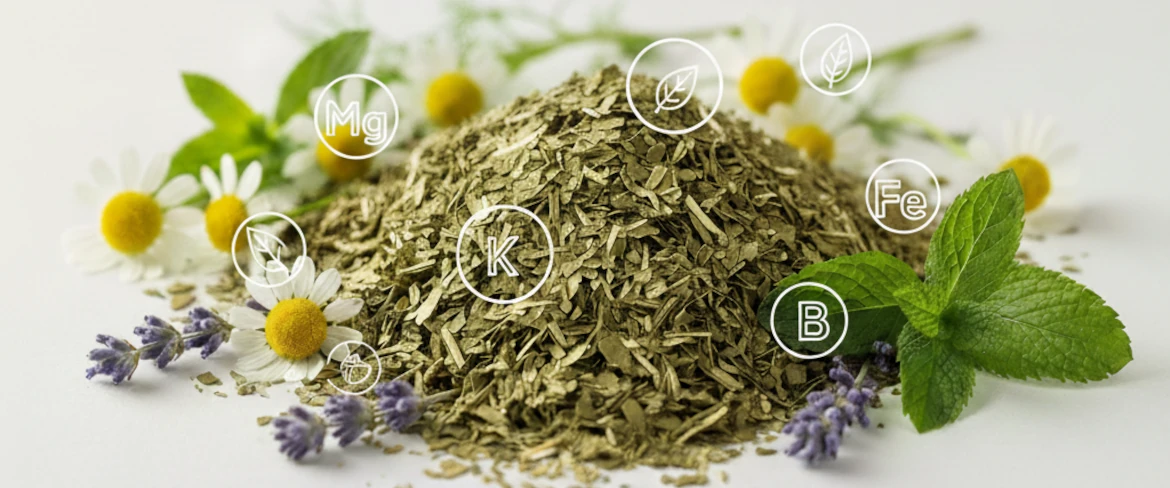
The health‑promoting properties of yerba mate supporting regeneration
Although people most often talk about the energy‑boosting properties of yerba mate, it’s worth remembering that its beneficial effects go far beyond caffeine. This infusion contains dozens of valuable nutrients – vitamins, minerals and antioxidants – that support regeneration, immunity and overall wellbeing. Thanks to them, after a gourd of yerba mate we feel not only more focused but also calmer, more balanced and ready for new challenges. Drinking yerba mate regularly doesn’t just provide energy – its nutrients help the body rest more deeply when sleep time arrives.
While caffeine helps sustain alertness, the bioactive substances in mate tea influence the body’s recovery processes – especially within the nervous system and cells exposed to oxidative stress. That’s why yerba mate properties make it not only a stimulant but also a natural support for a healthy lifestyle, mental balance and the proper functioning of the body.
👉 You can read more about all the yerba mate properties in our detailed article: Yerba Mate – Properties. How the Green Infusion from South America Works.
Vitamins and minerals that support the nervous system
As we’ve already mentioned several times in this article, yerba mate is not only caffeine – it’s also a natural source of vitamins and minerals that nourish the nervous system and help maintain good mental wellbeing, even during periods of intense work or stress. Its composition includes, among others:
- ✔️ Magnesium – essential for the proper functioning of the nervous system. It regulates the transmission of nerve impulses and aids muscle relaxation, helping to reduce tension and fatigue.
- ✔️ Potassium – ensures correct operation of nerve and muscle cells, supports signal transmission and helps maintain electrolyte balance.
- ✔️ B‑group vitamins (B1, B2, B3, B5, B6, B12) – play a vital role in energy metabolism, enhance concentration and memory, and protect the nervous system from the effects of stress.
- ✔️ Iron and zinc – aid the production of red blood cells and ensure adequate oxygenation of brain cells, boosting mental resilience and focus.
Thanks to this composition, yerba mate vitamins and minerals impart nourishing qualities that benefit both body and mind. Regularly drinking the infusion can therefore form part of everyday health maintenance – particularly for those coping with stress or a fast pace of life. It’s a natural way to provide the body with micro‑nutrients that are often lacking in modern diets.
Antioxidants in yerba mate and their impact on oxidative stress
Everyday stress, lack of sleep and a fast lifestyle increase levels of so‑called oxidative stress – an excess of free radicals that accelerate ageing and strain the nervous system. Fortunately, yerba mate is rich in antioxidants – particularly polyphenols, flavonoids and chlorogenic acid – which neutralise free radicals and support the body’s natural cell‑repair mechanisms.
Thanks to this high antioxidant level, yerba mate effects include protective action – it supports the immune system, reduces inflammation and minimises cellular stress. What’s more, regular drinking may indirectly improve sleep quality by reducing oxidative tension and aiding the body’s overnight regeneration processes.
- ✔️ Polyphenols and flavonoids – neutralise free radicals, protecting brain cells from damage.
- ✔️ Saponins – have anti‑inflammatory properties and strengthen the immune system, promoting recovery.
- ✔️ Chlorogenic acid – helps balance blood sugar and cholesterol, supporting steady metabolism and sustained energy.
This unique combination of caffeine with antioxidants ensures that yerba mate caffeine stimulates without draining – instead of a short, sharp spike followed by exhaustion, you get lasting vibrancy accompanied by a better mood and natural protection from stress.
📌 Summary: Yerba mate is a source of vitamins, antioxidants and minerals – a natural energiser that not only lifts but also heals. These compounds help during moments of fatigue while supporting the body’s regenerative processes, from the nervous system to overall immunity. A simple daily ritual that energises while looking after your health.

How to drink yerba mate to support a healthy daily rhythm
To fully enjoy all the benefits of yerba mate, pay attention not only to its ingredients but also to the way you prepare and drink it. Brewing method, portion size and your own daily habits all affect how it influences your energy and rest.
An optimal serving is around 15-20 grams of dried leaves per portion. Depending on your preferences, you can adjust strength – the more leaves and the hotter the water, the more intense the flavour and effect. The ideal water temperature is 70-80 °C: this extracts caffeine, antioxidants and aroma evenly without scalding the leaves. For tereré prepared with cold water, expect a refreshing taste and gentler, prolonged stimulation.
It’s also important to approach yerba mate mindfully. Sip slowly and enjoy the ritual – don’t gulp it like ordinary tea, but allow it to become a moment of calm for yourself. That small change helps your body absorb its benefits gradually. In the morning it wakes you, in the afternoon it sustains focus, and in the evening, herbal blends can ease you into rest.
If you want drinking yerba mate to be part of a healthy lifestyle rhythm, don’t treat it as just another caffeine source. This is a drink that adapts to you – uplifting when you need energy, soothing when it’s time to slow down. Carefully chosen varieties – especially those with herbs – help maintain your natural energy balance all day long.
May yerba mate become your daily ritual of balance – between energy, calm and the natural rhythm of your day.
❓ FAQ – frequently asked questions about yerba mate and sleep
1. Does yerba mate make it harder to fall asleep?
2. Can I drink yerba mate every day?
3. Is yerba mate healthier than coffee?
4. Does yerba mate affect sleep quality?
5. Which yerba mate is best for late afternoon or early evening?
Sources of information:
- Wikipedia: Mate (infusión).
- C. I. Heck, E. G. De Mejia, Yerba Mate Tea (Ilex paraguariensis): A Comprehensive Review on Chemistry, Health Implications, and Technological Considerations, Journal of Food Science, 2007.
- J. Snel, M. M. Lorist, Effects of caffeine on sleep and cognition, Progress in Brain Research, 2011.
- C. Drake et al., Caffeine effects on sleep taken 0, 3, or 6 hours before going to bed, Journal of Clinical Sleep Medicine, 2013.
- P. Torterolo et al., Yerba Mate: efectos sobre la vigilia y el sueño, Anales de la Facultad de Medicina, Universidad de la República, Montevideo, Uruguay, 2014.
Recommended

Verde Mate Green Energia Guarana 0.5kg

Soul Mate Orgánica Siempre 0.5kg (organic)

Verde Mate Green Ashwagandha 0.5kg
