Crystals and stones
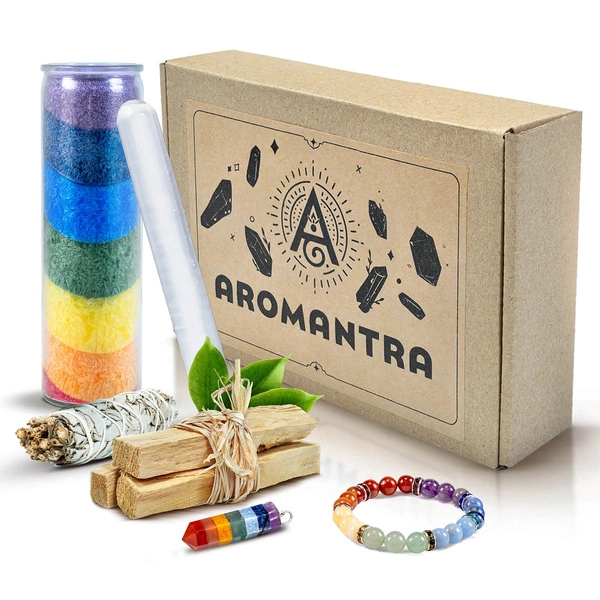
( number of products: 168 )Crystals and stones attract attention with their natural colours, shapes and varied surfaces. In this category, you’ll find raw specimens including amethyst, clear quartz, rose quartz, obsidian, jasper, aventurine, citrine, sodalite and calcite.
You can add them to a collection, use them as decorative pieces or keep them with you during meditation. Some products are described in relation to chakras, zodiac signs and elements, making it easier to compare them by their symbolism.
Crystals and stones: raw specimens in a range of colours
Raw specimens let you appreciate the natural differences in the colour and appearance of stones. Amethyst, clear quartz and rose quartz offer distinct colours, while obsidian, jasper and aventurine add further shades and textures to the selection. The range consists mainly of products from the Aromantra brand.
Amethyst, clear quartz and rose quartz
Amethyst is purple, clear quartz is a colourless, transparent variety of quartz, and rose quartz is distinguished by its delicate pink hue. These differences make it easy to pair stones by colour or choose a single specimen to suit a particular collection or display.
Obsidian, jasper, aventurine and other stones
Obsidian is natural glass of volcanic origin, with a deep black colour. Red jasper stands out with its brick-red hue, while blue-green aventurine has a surface flecked with shimmering particles. Other specimens include yellow and blue calcite, citrine, carnelian, selenite and sodalite.
Clear quartz and other minerals: how do the specimens differ?
Specimens differ mainly in their mineral type, colour, transparency and surface appearance. Clear quartz is transparent and colourless, while milky-white selenite has a pearly lustre, and dark blue sodalite looks quite different from both stones. Differences can also be found within a single mineral: calcite is available in yellow and blue varieties.
When comparing specimens, consider what matters to you: colour, natural pattern, lustre or stone type. If you’re interested in clear quartz, look for the colourless, transparent variety of quartz. If a bold colour is more important, you could consider red jasper or rose quartz, for example.
Minerals and gemstones by colour and type
Colour is a simple way to narrow down your choice. Rose quartz represents pink shades, amethyst purple, and sodalite and blue calcite blue. Green aventurine has flecks visible on its surface, while yellow calcite and citrine stand out with their light, warm colours; obsidian is distinguished by its black colour.
You can also compare minerals by type, rather than colour alone. The category includes quartz, calcite, jasper, obsidian and selenite, among others. This makes it easier to distinguish stones that have similar colours but are different minerals or materials.
How to choose a stone for a collection, meditation or decoration
Start by deciding what you want the specimen for and which appearance you prefer. For a collection, you can choose stones by type or put together varieties in different colours. As a decorative piece, a specimen works well when its colour and shape suit the place where you want to display it.
If you want to keep a stone with you during meditation, you can choose one based on your own associations or the symbolism described for it. Details such as its chakra, zodiac sign or element may also help. Treat these as additional selection criteria, not as physical properties of the mineral.
Crystals, gemstones and minerals in rituals
In meditation practices and rituals, stones are sometimes used as personal symbols or as objects that help focus attention. You can choose a specimen based on its colour, your own associations or the symbolism attributed to it. Product descriptions refer to chakras, zodiac signs and elements.
Stones associated with chakras, zodiac signs and elements
These associations help organise the selection according to different symbolic systems. The descriptions include references to the heart, crown and throat chakras, as well as the elements of air, water, earth and fire. You can see which categories fit your practice and compare the specimens listed under them. These are not properties that confirm an effect of the stone, but part of tradition and modern symbolism.
How to store crystals and stones
Store stones in a dry, cool and dark place, away from moisture. To reduce the risk of scratches or chips, protect them from knocks; soft pouches help keep specimens separate. Also protect them from sudden changes in temperature.
If you’re putting together a collection of several stones, make sure they don’t knock against one another in storage. Specific recommendations may vary by product, so follow the information provided for the individual specimen when caring for it. When choosing crystals and stones in the shop, compare their type, appearance and symbolic associations.