Chaga mushroom – what is it, what are its properties and how to use it?
Nature hides many fascinating secrets, and mushrooms with unique properties are undoubtedly one of them. In recent years, natural dietary ingredients that support the body in daily challenges have gained immense popularity. Among them, a special place is held by the chaga mushroom. This extraordinary gift of nature, visually resembling charred bark, has intrigued researchers and natural lifestyle enthusiasts for centuries.
The interest in plant and fungi-based products is growing at a rapid pace. Customers are increasingly turning to adaptogenic mushrooms and functional mushrooms in search of natural support for their bodies. In today's article, we will take a closer look at exactly what the chaga mushroom is, where it grows, what the chaga properties are, and what modern scientific research says about it. We will also explain how to use chaga in the form of powder, and what to look out for when choosing mushroom supplements. Enjoy the read!
Table of contents:
- Chaga – what kind of mushroom is it?
- Chaga in traditional use
- Chaga – properties and composition
- What is chaga good for? What to know before supplementing?
- Functional and adaptogenic mushrooms
- Chaga mushroom – which form to choose?
- Magic Pwdr Chaga – 10:1 fruiting body extract
- How to use chaga?
Chaga – what kind of mushroom is it?
In the world of mycology, the chaga mushroom is an absolutely unique species. It belongs to a category commonly known as functional mushrooms – meaning those that, apart from potential nutritional value, provide the body with specific bioactive substances. Chaga enjoys huge interest among people looking for natural ingredients to enrich their daily diet. For many, it represents a conscious alternative or addition to classic, synthetic preparations, which is why mushroom supplements, particularly chaga extract, are becoming a staple in the morning routine of numerous consumers.
Chaga and Inonotus obliquus – different names for the same mushroom
Before diving into the details, it is worth clarifying the naming, which can sometimes be confusing. When looking for information, you will very often come across various terms that actually describe the exact same organism:
- ✔️ Chaga – this is the common name, most widely used worldwide, originating from the languages of indigenous peoples inhabiting the Siberian regions.
- ✔️ Inonotus obliquus – this is the Latin name, used in scientific and biological nomenclature.
It is worth keeping in mind that regardless of whether we are reading about the properties of chaga or are simply interested in the chaga mushroom, we are talking about the exact same natural raw material.
What does chaga look like?
If you imagine chaga as a classic mushroom with a stem and a cap, you are in for a surprise. The chaga mushroom looks completely different from typical species known from the forest. On the outside, it forms a hard, irregular growth that closely resembles charred bark burnt by the sun and wind. It has a deep, black colour. Its interior, on the other hand, reveals a completely different hue – it is lighter, most often rusty orange or yellowish-brown, with a somewhat spongy, cork-like texture. This extraordinary natural phenomenon develops directly on the surface of tree trunks, integrating with their structure.
💡 Interesting fact: Chaga does not develop a typical cap, but instead forms a hard growth on tree trunks known as a sclerotium. It is within this structure that the mushroom accumulates various secondary metabolites drawn directly from the host tree, making it such a valuable botanical raw material.
💬 Scientific source: W. Zheng et al., Chemical diversity of biologically active metabolites in the sclerotia of Inonotus obliquus and submerged culture strategies for up-regulating their production, Applied Microbiology and Biotechnology, 2010.
Where does chaga grow?
To find chaga in its natural habitat, you need to travel to the colder regions of the Northern Hemisphere. Inonotus obliquus prefers a harsh climate. It can most commonly be found in the forests of Northern Europe, the vast territories of Siberia and Northern Asia, as well as in Canada and the northern parts of the United States.
Crucially, chaga is a parasitic mushroom that develops on living trees. Its favourite, though not exclusive, host is the birch. This symbiosis (or biologically speaking, parasitism) with the birch tree is the reason why chaga owes its properties partly to the unique substances it absorbs and processes from the sap of this very tree.
📌 In short:
- ✔️ Chaga (Inonotus obliquus) is a tree-dwelling mushroom with a unique appearance resembling a black, burnt growth.
- ✔️ It belongs to the group commonly referred to as functional mushrooms.
- ✔️ It naturally occurs in the cold climates of the Northern Hemisphere, primarily on birch trunks.

Chaga in traditional use
The history of human use of nature's gifts is long and fascinating. Before the chaga mushroom became the subject of scientific research in sterile laboratories, this raw material was well-known and widely used by indigenous communities living in harsh, freezing climates. When discussing Inonotus obliquus in terms of its properties, however, it is essential to clearly separate its historical and folk usage from modern medical health claims right from the start. Ancient practices provide an interesting cultural background and a starting point for scientists, but they cannot be treated on a par with proven therapeutic effects.
How was the chaga mushroom used in northern countries?
In the traditional dietary systems and herbalism of Northern Europe, Siberia, and certain regions of Asia, chaga was an important part of everyday life. Due to the hard structure of the sclerotium, the growth was not consumed raw. Instead, special processing methods were developed.
The raw material gathered from trees was usually chopped into smaller pieces, dried, and then boiled for many hours. This prepared mushroom was primarily used to make warming infusions and intense decoctions, which were often drunk as a natural substitute for black tea or coffee during long and severe winters. Although ancient communities highly valued the chaga mushroom and its properties, their approach was based on observation and tradition passed down from generation to generation, rather than analytical biochemical knowledge.
💡 Good to know:
Modern interest in chaga largely stems from its traditional use and research into the bioactive compounds it contains, rather than confirmed therapeutic effects in humans. Scientific publications have described the traditional use of chaga infusions and decoctions by communities in Northern Europe, Siberia, and Asia; however, traditional use must be clearly separated from modern health claims regarding supplements.
💬 Scientific source: H. Peng, F. Shahidi, Bioactive Compounds and Bioactive Properties of Chaga (Inonotus obliquus) Mushroom: A Review, Journal of Food Bioactives, 2020.
Chaga – modern supplementation
Today, we do not have to wander through forests and boil bark for hours to include this natural ingredient in our diet. When looking for information on how to use chaga in today's fast-paced world, we will quickly notice that the market offers much more accessible solutions. In shops, we can find convenient mushroom powder, cut dried pieces, and above all, highly concentrated chaga in the form of an extract.
However, when choosing mushroom supplements, it is worth exercising caution. Although chaga mushroom reviews on the internet are often incredibly enthusiastic, we must remember to take a rational approach. Chaga is a valuable addition to the menu, but it is subject to the same responsible rules as other preparations supporting a daily diet:
- ✔️ A supplement is not a medicine: Chaga-based products can add variety to your diet and serve as a valuable addition, but they are not intended to diagnose, prevent, or treat any diseases.
- ✔️ A varied diet is key: No natural preparation can replace balanced, nutritious meals and an active lifestyle.
- ✔️ Always prioritise safety: If you take regular medication, have diagnosed chronic conditions, are pregnant, or are breastfeeding, you should always consult a specialist before starting supplementation.
Chaga – properties and composition
When browsing for information on natural raw materials and typing phrases such as "medicinal mushroom properties" or simply "medicinal mushrooms" into a search engine, we very often come across mentions of chaga. The interest it generates among mycologists, dieticians, and biochemists stems from its rich phytochemical profile. However, it is worth approaching this information with appropriate caution. When discussing the natural composition of this raw material, we focus on its factual potential, not on a medically confirmed therapeutic effect.
What compounds naturally occur in the chaga mushroom?
The interior of this inconspicuous black growth is a true treasure trove of bioactive substances. Its chemical complexity is one of the main reasons why mushroom supplements are gaining such huge recognition worldwide. The most important groups of compounds identified in chaga include:
The most important bioactive compounds in chaga
| Compound group | What are they and why do they matter? |
|---|---|
| Polysaccharides | Complex carbohydrates (including beta-glucans), studied by scientists for their potential to support the body's natural barriers. |
| Polyphenols | Compounds of natural origin, which are the subject of research into the process of neutralising oxidative stress. |
| Triterpenes | Specific lipids (e.g., betulin and betulinic acid) drawn directly from birch trunks, analysed due to their broad bioactive potential. |
| Melanin | A dark pigment responsible for the characteristic black exterior of chaga, studied as a potential element of cellular protection. |
It is worth being aware that the final content of these ingredients is not a constant value. It depends on many variables – from the specific species of tree on which the mushroom grew, to advanced production processes. There are preparations available on the market based on different parts of this organism. For example, the Magic Pwdr Chaga product available in our shop provides a highly concentrated extract sourced specifically from fruiting bodies, making it an interesting option for those who appreciate convenient adaptogenic mushroom powder.
💬 Scientific source: R. Drenkhan et al., Comparative Analyses of Bioactive Compounds in Inonotus obliquus Conks Growing on Alnus and Betula, Biomolecules, 2022.
Research shows that the concentration of individual compounds in chaga varies depending on the host tree and the extraction method used. Therefore, the mere presence of a substance in the natural raw material does not allow us to clearly predict the effectiveness of the finished product.
Chaga and its antioxidant potential
One of the most frequently mentioned concepts in the context of tree mushrooms is oxidative stress. This is a natural process occurring in the body that results in the formation of free radicals – molecules which, in excess, can negatively impact cellular function. The main counterbalance to them are antioxidants.
Thanks to their high content of polyphenols and melanin, the active ingredients of chaga are subjected to thorough laboratory analyses for their antioxidant capabilities. However, it must be firmly emphasised: extremely promising results from laboratory tests do not automatically mean that chaga powder will have an identical, confirmed, and measurable effect in humans. Although the natural potential is enormous, it should be treated as a valuable indication rather than a universal health guarantee.
Chaga – scientific research
Entering a phrase such as "chaga mushroom uses" into a search engine quickly reveals that this topic generates unflagging interest in the scientific world. To date, thousands of specialised chemical composition analyses and preclinical studies have been conducted, primarily using cellular and animal models. While the scientific community clearly acknowledges the broad potential for supporting the body, there is still a definite lack of rigorous clinical trials involving large groups of patients.
For this reason, a responsible approach to supplementation is essential. The adaptogenic mushrooms in powder form available on the market can be an excellent, natural addition to a daily menu, but they absolutely must not be treated as medicines. Chaga is not a cure for serious ailments, and mushroom supplements will under no circumstances replace a balanced lifestyle and professional, individual consultations with a medical specialist.
💡 Important distinction:
Reviews of available scientific literature repeatedly remind us that evidence meeting the criteria of evidence-based medicine (EBM) is still insufficient to consider chaga a fully-fledged therapeutic agent. For this reason, dietary supplements should not be presented as preparations for treating or preventing any diseases.
💬 Scientific source: K. A. Szychowski et al., Inonotus obliquus - from folk medicine to clinical use, Journal of Traditional and Complementary Medicine, 2020.
What is chaga good for? What you should know before starting supplementation
Many users looking for information about chaga properties type into search engines questions like: "what is chaga good for?" Answering this question requires a highly responsible approach. As we have repeatedly emphasised, chaga is not a medicine. Taking mushroom supplements based on this fungus is not intended to treat, prevent, or diagnose any health conditions.
Incorporating the chaga mushroom into your daily routine is, above all, an excellent way to consciously diversify your menu and enrich your diet with unique ingredients of natural origin. It can provide valuable support for the body amidst the demands of a modern lifestyle; however, it should always be treated as a functional food rather than a medical product.
📌 Important supplementation rule:
Before you decide to use adaptogenic mushroom powder or other supplements, remember that no preparation can replace a varied, nutrient-rich diet and a healthy, active lifestyle. Natural supplements are merely an addition that can support your daily functioning, but they do not replace professional medical care.
Where does the popularity of chaga come from?
Despite the lack of hard medical health claims, Inonotus obliquus is currently experiencing a massive surge in popularity worldwide. What is the reason behind this phenomenon? The main cause is a clear consumer shift towards nature and the search for clean, plant- and fungi-based dietary ingredients. Instead of reaching for highly processed products, we are increasingly opting for solutions based on tradition and natural composition.
This growing interest also stems from the fact that modern supplementation is incredibly accessible. The main reasons why chaga so often finds its way into our kitchens include:
- ✔️ Convenient form: Modern products are not hard bark that needs to be boiled for hours, but rather an easy-to-use mushroom powder like chaga powder, or a highly concentrated chaga extract, ready for immediate consumption.
- ✔️ Culinary versatility: You can easily learn how to use chaga by simply adding powdered supplements to your favourite drinks – morning coffee, tea, yerba mate, as well as plant-based milks, porridge, and nutritious smoothies.
- ✔️ Interest in functional mushrooms: Customers are increasingly looking for natural products that, in addition to basic nutritional values, provide the body with extra bioactive compounds, perfectly fitting into the trend of conscious eating.
Functional and adaptogenic mushrooms
While browsing the range of natural preparations, you will certainly come across two terms on multiple occasions: functional mushrooms and adaptogenic mushrooms. Customers hearing the latter term for the first time often type into a search engine the query: "what are adaptogenic mushrooms"? Although they are frequently used interchangeably in everyday language and marketing messages, it is worth understanding exactly what they mean and the difference between them. Above all, however, one key rule must be remembered – neither of these categories is synonymous with pharmaceuticals or medicines.
The term "functional mushrooms" refers to species that, alongside any basic nutritional value, provide the body with specific bioactive substances of interest to science (such as the previously discussed polysaccharides, polyphenols, or triterpenes). It is a broad category in which chaga holds an incredibly important place. Chaga is a textbook example of a functional mushroom, successfully used in modern dietary supplements as a valuable addition to your daily menu.
On the other hand, "adaptogenic mushrooms" are a slightly narrower group of raw materials. According to the creators of this concept, adaptogens are naturally derived substances that are studied for their potential to support the body's natural resistance to stressors and facilitate the return to internal balance (so-called homeostasis).
📌 Summary: A supplement is still a food product
- ➡️ Even if a given species boasts an impressive biochemical profile and is included in the esteemed group of "adaptogens", products based on it remain solely supplements.
- ➡️ Their main and only task is to enrich the diet.
- ➡️ They cannot be treated as an alternative to a medical diagnosis, medical therapies, or treatments for specific ailments.
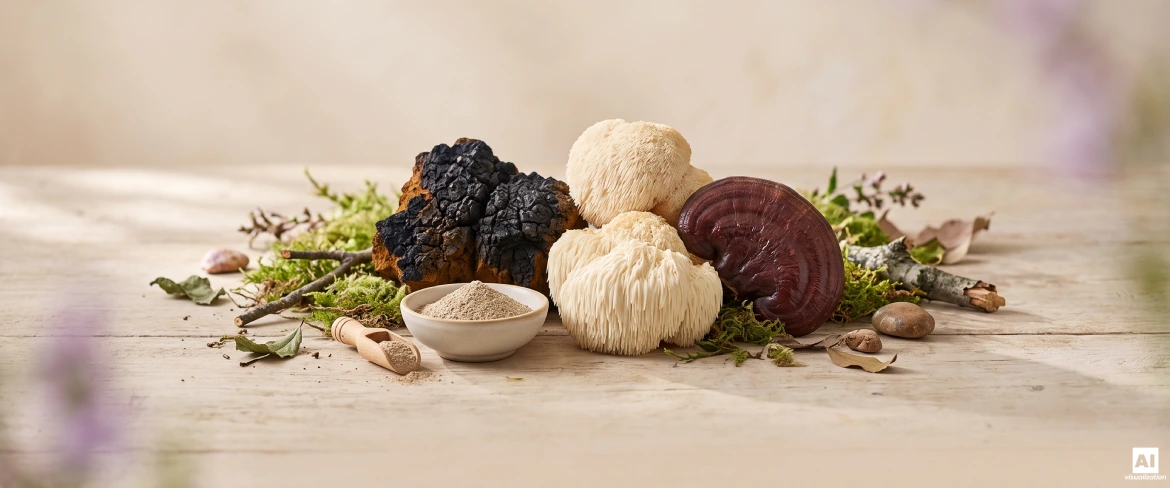
The world of natural preparations is incredibly rich and diverse, which is why people starting their adventure with supplementation often wonder where to begin and what to pay attention to. If you want to learn more about the differences between individual species, read insightful chaga mushroom reviews, and consciously tailor your choices to your expectations, we encourage you to read our guide: How to choose an adaptogenic mushroom supplement? Reishi, chaga and lion’s mane in practice.
Chaga mushroom – which form to choose?
When deciding to include chaga in your daily diet, you will quickly realise that the market offers it in many different forms. Choosing the right preparation is of great importance for the convenience of use and product satisfaction. Before adding a given product to your virtual basket, it is worth carefully analysing the information provided on the label.
What should you pay special attention to when choosing mushroom supplements?
- ✔️ Species: Make sure the product is actually Inonotus obliquus, rather than a blend of unknown origin.
- ✔️ Mushroom part: Pay attention to whether valuable fruiting bodies or mycelium were used in the production.
- ✔️ Extract ratio: An indicator showing the degree of concentration of the raw material (the so-called DER or Drug Extract Ratio).
- ✔️ Dosage: Clear, readable manufacturer instructions regarding the recommended daily intake.
Chaga powder
Currently, chaga powder is one of the most frequently chosen forms by conscious consumers. Its biggest advantage is exceptional convenience and versatility. The loose form can be easily and precisely measured and added to your favourite drinks or meals, which perfectly suits the fast pace of modern life.
Before buying, however, you should remain vigilant and check one key detail on the packaging: whether the offered product is simply a finely ground, raw mushroom, or a powdered chaga extract. This is a very important difference. Ordinary, raw dried material (the ground growth) features a hard chitinous structure and often requires additional thermal processing (e.g., long boiling) to release its compounds. On the other hand, mushroom powder that is already an extract is ready for immediate consumption and mixes much more easily with liquids.
Chaga extract
High-quality chaga extract is a highly concentrated form of the raw material. The extraction process involves isolating and concentrating the desired substances from the mushroom. As a result, a single serving of the finished product is much smaller, yet more efficient in everyday use compared to classic, unprocessed dried mushroom.
On extract packaging, you can very often find numerical designations, such as 10:1. What exactly does this mean in practice?
🔍 What does the 10:1 ratio mean?
The 10:1 designation is a ratio indicator (DER – Drug Extract Ratio). It informs us that 10 kilograms of raw mushroom were used to produce 1 kilogram of the finished extract. However, it is absolutely essential to remember that the ratio itself only indicates the degree of physical concentration of the raw material. It is not a universal guarantee of a specific concentration of particular bioactive substances, let alone a promise of a specific health-promoting effect for the user.
Magic Pwdr Chaga – 10:1 fruiting body extract
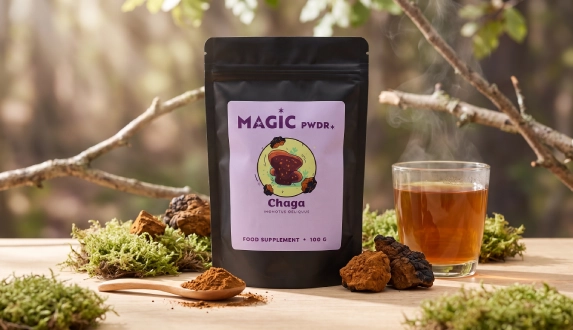
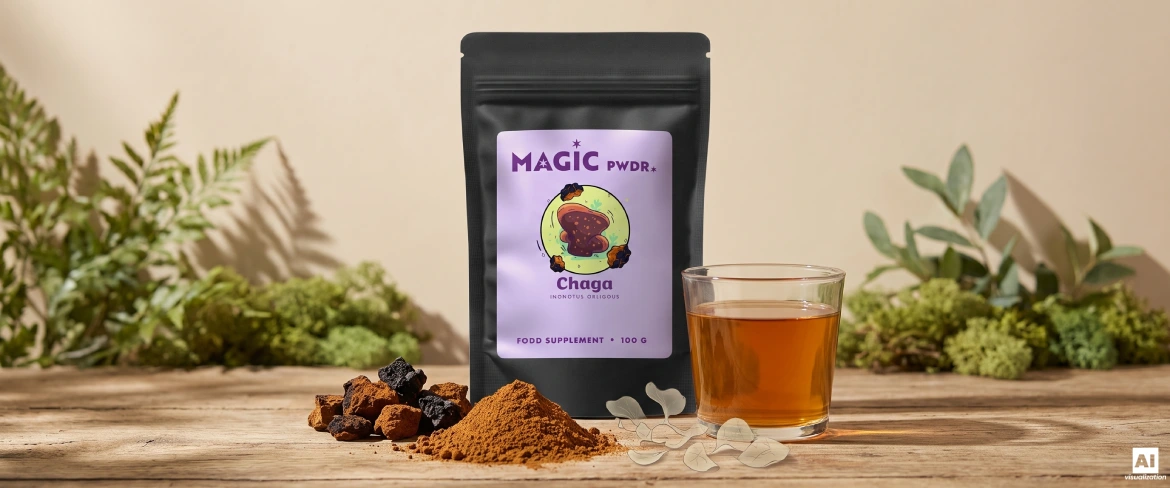
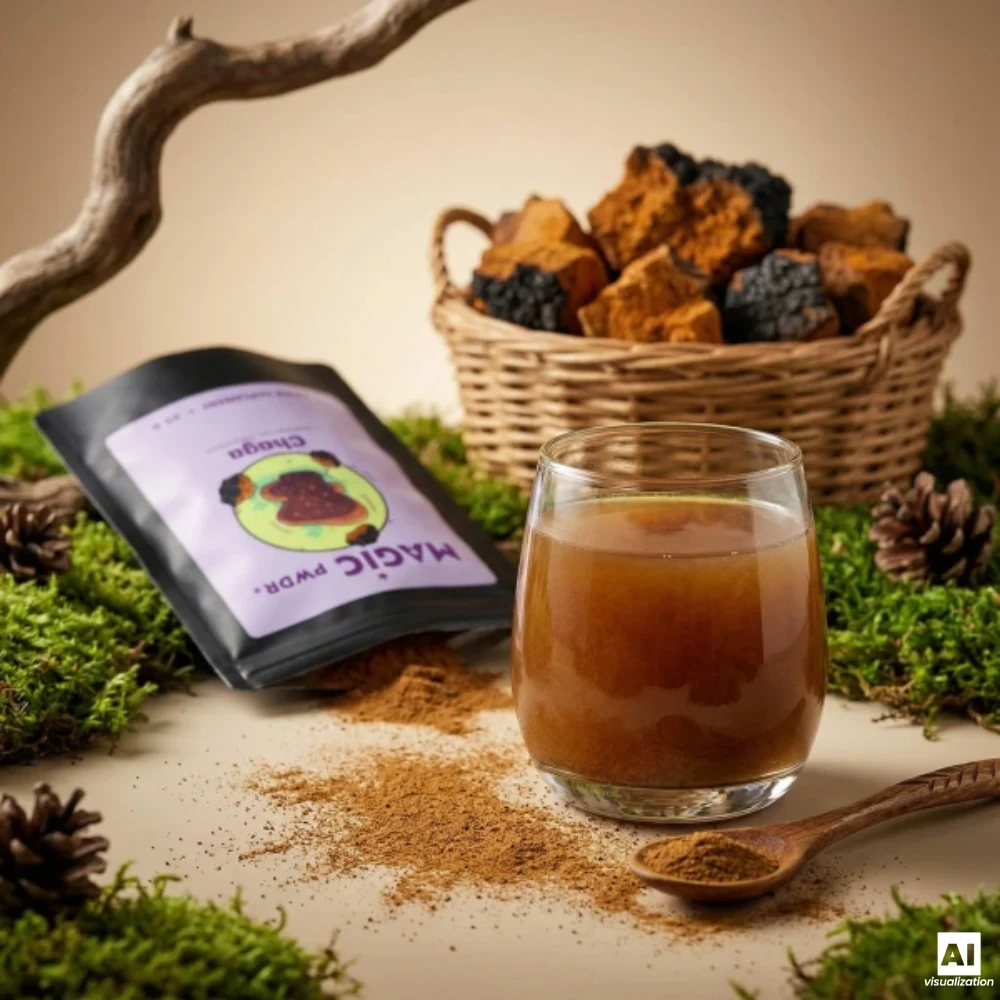
If you are looking for a high-quality, ready-to-consume product, an excellent example is the Magic Pwdr Chaga available in our shop. It is a dietary supplement in the form of a fine powder, created for people who value convenience, a clean composition, and a conscious approach to daily supplementation. Instead of reaching for more short-lived stimulants, it is worth opting for a thoughtful addition to your menu, based on natural ingredients.
🍄 Magic Pwdr – Chaga
This product from the Magic Pwdr brand is a highly concentrated extract sourced exclusively from the fruiting bodies of the chaga. It contains no unnecessary additives, fillers, or artificial colours.
- ✔️ Ingredients: 100% 10:1 fruiting body extract of chaga (Inonotus obliquus)
- ✔️ Form: Easily soluble powder
- ✔️ Recommended dosage: 500 mg (about 1/3 of a flat teaspoon) per serving, maximum of 3 servings a day
It is worth knowing that the Magic Pwdr brand is not just about single-ingredient extracts. Chaga blends perfectly with other natural raw materials, creating well-thought-out mixtures. In our offer, you will also find two exceptional proposals in which the chaga mushroom plays an incredibly important role alongside other functional mushrooms:
- 🍵 Magic Pwdr – Power Matcha (Energy & Focus Blend) – this is an innovative combination of classic Japanese matcha green tea with extracts from three functional mushrooms: lion's mane, chaga, and reishi. The formula has been enriched with vitamin C. It provides natural caffeine, serving as an excellent alternative to excess coffee. It is the perfect choice for mental workers seeking stable energy and concentration support without sudden energy crashes.
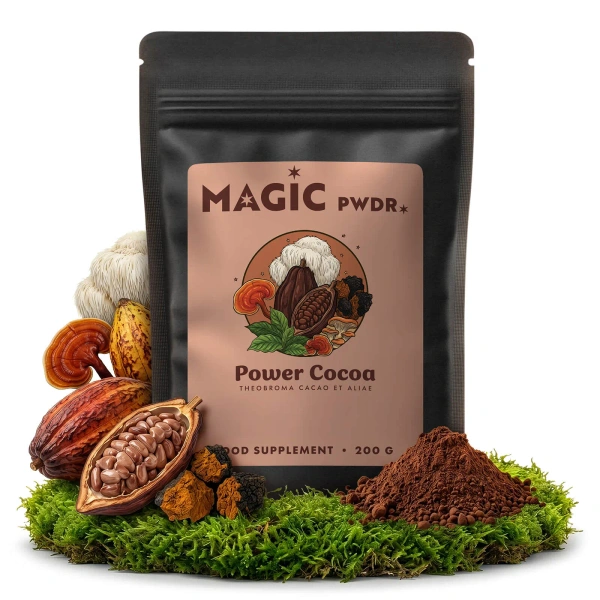
- 🍫 Magic Pwdr – Power Cocoa (Relax & Well-Being Blend) – a functional, healthier option to traditional, sweet cocoa. The base is alkalised cocoa with a reduced fat content, which has been combined with extracts of lion's mane, reishi, and chaga. It is an excellent, relaxing drink for the end of an intense day, rich in natural antioxidants that help protect the body's cells from oxidative stress.
How to use chaga?
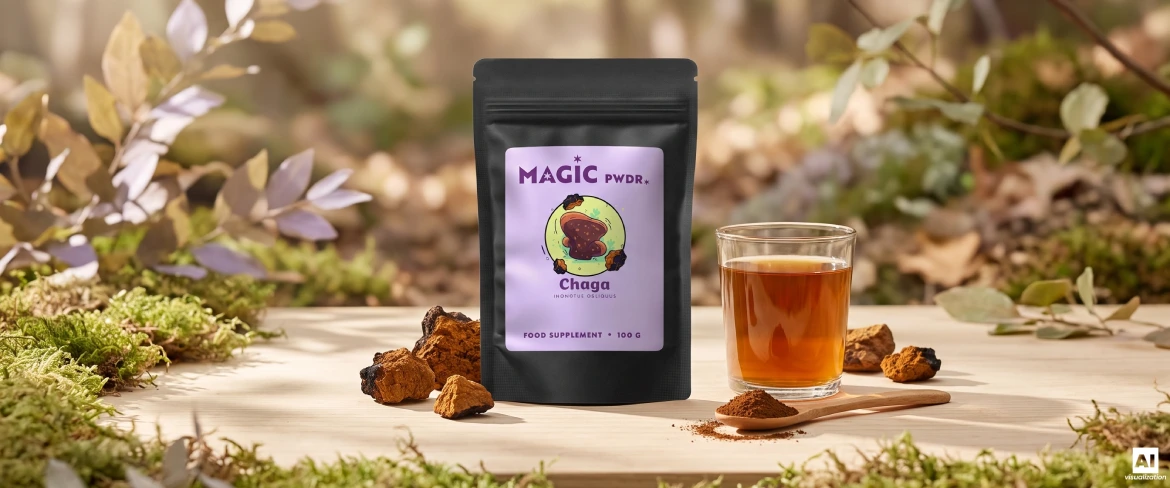
Incorporating chaga extract into your daily routine is incredibly simple, but strictly following the manufacturer's recommendations is crucial for safety and optimal results. In the case of the Magic Pwdr Chaga product, the optimal single serving is 500 mg. According to the information on the label, you can consume a maximum of 3 such servings per day (which provides a total of 1500 mg of chaga extract).
It is also important to firmly remind you that this type of mushroom supplements is intended exclusively for adults. In the case of pregnant women, breastfeeding mothers, and individuals taking regular medication, a prior consultation with a doctor is essential before starting supplementation.
How to prepare chaga powder?
Thanks to the extract form, the preparation process is quick and does not require time-consuming boiling (as is the case with raw bark). To prepare the drink, follow the steps below:
🥄 Short preparation instructions:
- Measure out 500 mg of the powder – this corresponds to roughly 1/3 of a level teaspoon.
- Pour the measured serving into a mug, glass, or bowl with your chosen drink or meal.
- Mix everything very thoroughly and vigorously. Mushroom extracts may sometimes need a little time and intense stirring (a milk frother works perfectly here) to dissolve completely and create a smooth, even consistency without lumps.
What can you add chaga extract to?
Another huge advantage of chaga powder is its culinary versatility. The chaga extract features a very specific, yet accessible flavour profile. It is neutrally earthy, with a subtly noticeable, slight vanilla note. As a result, it does not overpower dishes, but blends into them perfectly.
Practical ways to use the product in your daily menu include adding it to:
- ✔️ Traditional infusions: morning coffee, tea, or yerba mate infusion.
- ✔️ Cold and warm liquids: plain water, freshly squeezed juice, cocoa, or your favourite plant-based drinks (e.g., oat or coconut).
- ✔️ Nutritious meals: morning porridge, thick smoothies, fruit shakes, and even homemade energy balls.
Using mushrooms in your daily diet opens up entirely new possibilities. Regardless of whether you choose a pure extract or ready-made, natural blends, remember that the key to conscious nutrition is moderation, regularity, and choosing high-quality products.
Take care of yourself in harmony with nature and see how functional mushrooms can add variety to your daily diet!
❓ FAQ – frequently asked questions about the chaga mushroom
1. What is chaga and is the Inonotus obliquus the same mushroom?
Yes, chaga and Inonotus obliquus are the exact same organism. It is a parasitic mushroom growing mainly on birch trunks in the cold climates of the Northern Hemisphere. Instead of a classic cap, it forms a characteristic, hard, black growth (sclerotium) on the trunk.
2. What are chaga properties?
The interior of the mushroom is a rich source of bioactive substances. Chaga provides the body with, among other things, polysaccharides (including beta-glucans), polyphenols, melanin, and specific triterpenes (e.g., betulin). As a result, the chaga extract is the subject of numerous studies regarding its broad antioxidant potential.
3. What is chaga good for and is it a medicinal mushroom?
Chaga is not a medicine and is not intended to treat, diagnose, or prevent any diseases. In nomenclature, it is referred to as a functional and adaptogenic mushroom. Supplementing it provides natural support for the body and is a great dietary addition for people leading an intense, demanding lifestyle, but it does not replace professional medical care.
4. How to use chaga powder?
High-quality chaga powder extract (e.g., Magic Pwdr) is very simple to use. Just measure out the manufacturer's recommended serving – usually about 500 mg (1/3 of a level teaspoon) – pour it into your chosen liquid and mix thoroughly. Do not exceed the maximum recommended amount during the day (most often 3 servings).
5. Can you add chaga to coffee or yerba mate?
Absolutely! The chaga extract features a delicate, earthy flavour with a subtle hint of vanilla, which does not overpower drinks. You can successfully add it to your morning coffee, yerba mate, classic tea, plant-based milks, as well as porridge and your favourite smoothies.
6. Who should not use mushroom supplements?
Preparations such as mushroom powder are intended exclusively for adults. For safety reasons, pregnant and breastfeeding women should avoid supplementation. People who take regular medication or struggle with chronic conditions (e.g., kidney problems) must absolutely consult their doctor before adding chaga to their diet.
7. What to look out for when buying chaga extract?
When choosing a supplement, it is worth paying attention to its composition (it should be pure mushroom, without artificial fillers), the Latin species name (Inonotus obliquus), and the extraction ratio (e.g., 10:1, which indicates a high concentration of the raw material). The best choices are extracts made strictly from the fruiting bodies, which easily dissolve in water.
Sources of information:
- Wikipedia: Inonotus obliquus.
- R. Drenkhan et al., Comparative Analyses of Bioactive Compounds in Inonotus obliquus Conks Growing on Alnus and Betula, Biomolecules, 2022.
- H. Peng, F. Shahidi, Bioactive Compounds and Bioactive Properties of Chaga (Inonotus obliquus) Mushroom: A Review, Journal of Food Bioactives, 2020.
- K. A. Szychowski et al., Inonotus obliquus - from folk medicine to clinical use, Journal of Traditional and Complementary Medicine, 2020.
- W. Zheng et al., Chemical diversity of biologically active metabolites in the sclerotia of Inonotus obliquus and submerged culture strategies for up-regulating their production, Applied Microbiology and Biotechnology, 2010.
Recommended

Magic Pwdr – Chaga 30g
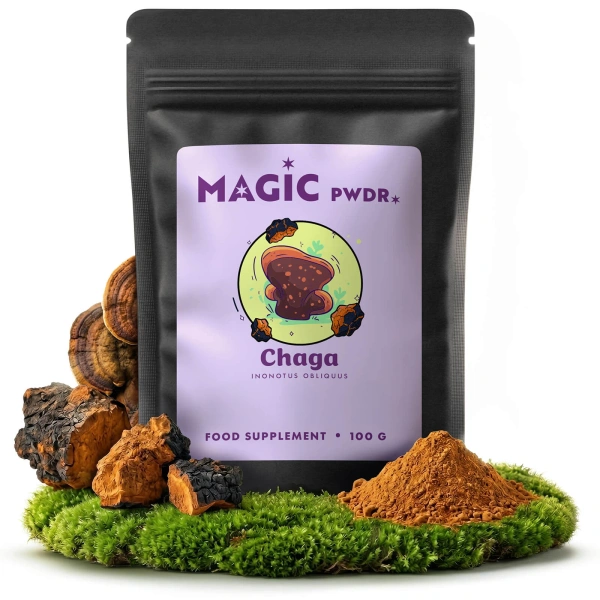
Magic Pwdr – Chaga 100g
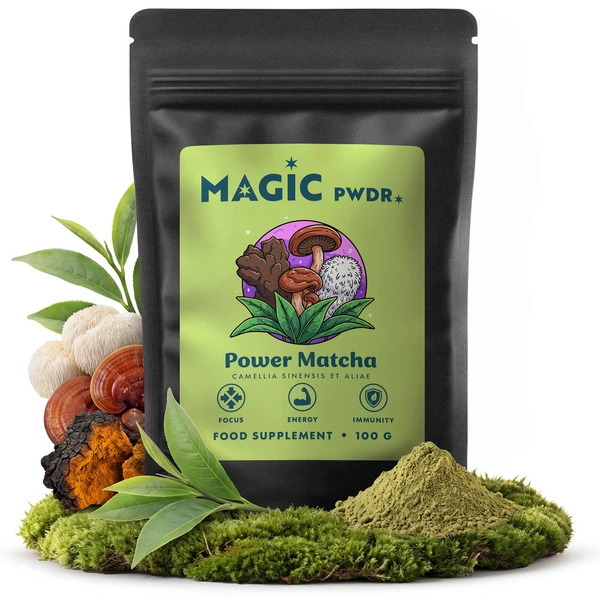
Magic Pwdr – Power Matcha – Energy & Focus Blend 100g