
Fennel – properties, what it helps with and how to use it in the kitchen
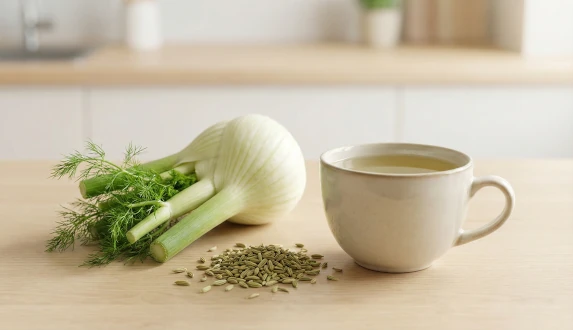
Fennel is a plant that has connected the worlds of cooking and herbal infusions for centuries. It has a distinctive, mildly aniseed aroma, a wide range of culinary uses and a long tradition of being used in everyday diets – both as a fennel spice and as a drink. Although it does not always rank at the very top of the list of household herbs, it certainly deserves a closer look.
Fennel is an ingredient that can surprise with its versatility – it works equally well in the kitchen and in herbal infusions consumed daily. Depending on the form, it can subtly enhance the flavour of dishes, add depth to tea blends or become the base of a simple, aromatic drink.
In this article, we will try to answer the questions: fennel – what is it?, what does fennel look like?, what are its properties and fennel – how to eat it – raw, cooked or as an infusion? This blog post is for those curious about herbs, lovers of natural flavours, as well as anyone looking for simple, home ways to diversify their diet and everyday brewing rituals.
👉 If you are interested in herbs and natural drink additives, also visit the “Herbs” category in our shop, where you will find, among others, fennel seeds perfect for infusions and cooking.
Summary:
- Fennel – what is it? What does fennel look like?
- Fennel – properties and effects
- Drinking fennel – tea and infusions
- Fennel as a spice
- Fennel in the kitchen – how to eat fennel?
- Fennel recipes – culinary inspiration
- Fennel – side effects and contraindications
Fennel – what is it? What does fennel look like?
Fennel (Foeniculum vulgare) is a plant from the carrot family (Apiaceae). Although its name may suggest similarity to common dill, Italian fennel is a completely different species – with a distinct flavour, appearance and range of uses.
Fennel occurs in two of its most popular forms: as a vegetable variety with a characteristic, pale bulb, and as a variety cultivated mainly for its seeds. In the form of a bulb, it is primarily used as a vegetable – raw, cooked or as an ingredient in soups and salads, while the fennel seeds are valued for infusions, tea and as a spice.
In the kitchen and herbal blends, fennel is appreciated for its mildly sweet, aniseed aroma, which pairs beautifully with savoury dishes as well as drinks – from classic infusions to fennel tea and yerba mate blends with fennel.
What does fennel look like? Structure and edible parts
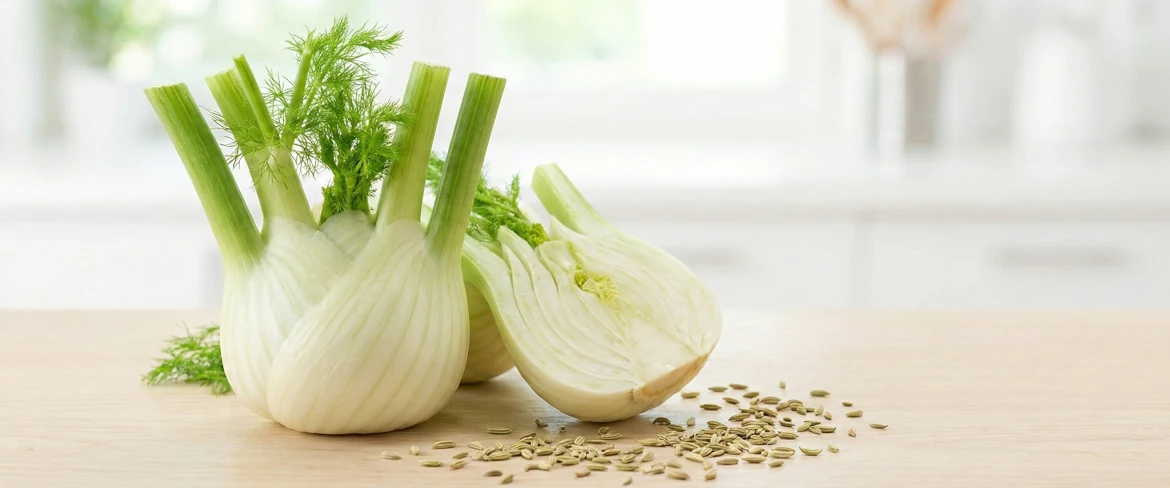
What does fennel look like? It is rather modest in appearance, yet very distinctive. The plant consists of several parts, most of which are used in cooking or for drinking. The most important edible parts of fennel are:
- ✔️ bulb – pale, slightly greenish, formed from overlapping thickened leaf stalks; most often used as a vegetable,
- ✔️ stalks – long, green and aromatic; often added to stocks and broths,
- ✔️ leaves – thin and feathery, resembling dill; used as a fresh herb,
- ✔️ fennel seeds (fennel fruit) – small, elongated, light green or brown; most commonly available in dried form.
In practice, this means that fennel offers many culinary possibilities – from raw bulb added to salads, through roasted and stewed dishes, to aromatic fennel tea and infusions prepared from fennel seeds.
💡 Good to know: What we commonly call “seeds” are, from a botanical point of view, actually the fennel fruit – which is why the term “fennel fruit” often appears in scientific literature instead of seeds or grains.
Fennel seeds
Fennel seeds are the most commonly used part of the plant – both in cooking and for drinking. They have an intense, sweet‑aniseed aroma and a gently warming flavour.
Compared to the fresh bulb, they are much more concentrated in flavour and aroma, which is why only a small amount is needed to give dishes or infusions their characteristic note. Fennel in the form of seeds works particularly well as:
- ✔️ a base for fennel tea,
- ✔️ an addition to herbal and tea blends,
- ✔️ a spice for bread, vegetables and one‑pot dishes.
It is from the seeds that fennel for drinking is most often prepared, treated similarly to tea or other herbal infusions – brewed regularly, on its own or combined with other herbs.
📌 Key facts about fennel – in brief:
- Fennel – what is it? An aromatic plant from the carrot family.
- What does fennel look like? It has a bulb, leaves, stalks and seeds – all parts are edible.
- Most popular form? Dried fennel seeds, used for infusions, fennel tea and as a spice.
In the next section, we will take a closer look at fennel health properties, what fennel helps with and how its effects are described in herbal literature and scientific research.
Fennel – properties and effects
Fennel has long held an important place in culinary and herbal traditions. Its popularity is not only due to its distinctive aroma, but also to its rich composition, which makes it a frequently chosen element of everyday diets – especially in the form of infusions or as an addition to meals.
In this section, we take a closer look at fennel properties, the nutrients it contains, and how its effects are described in herbal literature and scientific research. It is worth remembering that fennel is not a medicine, but it can be a valuable part of a balanced diet.
Fennel health properties
The health properties of fennel are primarily linked to its rich composition. The highest concentration of valuable compounds is found in fennel seeds (fennel fruit), which are most often used for infusions and as a spice. What nutrients do they contain?
- ✔️ Essential oils (including anethole and fenchone) – responsible for fennel’s characteristic aroma and widely discussed in research on its traditional use,
- ✔️ Dietary fibre – found especially in the bulb, supporting normal digestive function,
- ✔️ Vitamins – including vitamin C and B‑group vitamins, naturally present in the fresh parts of the plant,
- ✔️ Minerals – such as potassium, calcium, magnesium and iron.
Fennel owes its properties not to a single compound, but to the synergy of many components. This is why it so often appears in herbal blends and infusions intended for regular consumption.
💬 Scientific sources:
- Sh. B. Badgujar et al., Foeniculum vulgare Mill: A Review of Its Botany, Phytochemistry, Pharmacology, Contemporary Application, and Toxicology, BioMed Research International, 2014.
- S. Noreen et al., Pharmacological, nutraceutical, functional and therapeutic properties of fennel (Foeniculum vulgare), International Journal of Food Properties, 2023.
Scientific reviews of Foeniculum vulgare indicate that the essential oils present in fennel seeds (especially anethole and fenchone) are the main compounds responsible for its traditional use in the context of digestion.
💡 Good to know: As with dried fruit, the quality of herbs and spices depends greatly on the quality of the raw material and the processing method. If this topic interests you, also read our latest blog post: Is dried fruit healthy? Properties, calories and how to eat it wisely
Fennel – effects on the body
When discussing the effects of fennel, it is worth considering what drinking fennel effects are most often observed with regular, moderate consumption – particularly in relation to the digestive system. Fennel has appeared for centuries in traditional herbal blends consumed after meals, especially heavier or more substantial ones.
In herbal literature, fennel is also associated with:
- ✔️ supporting digestive comfort,
- ✔️ gentle antispasmodic effects,
- ✔️ supporting the body’s natural processes after eating.
Thanks to its aroma and mild flavour, fennel for drinking is often chosen by people who are just beginning their journey with herbal infusions.
Fennel – what does it help with?
The question “fennel – what does it help with?” appears very frequently – especially in the context of infusions and fennel tea. Traditionally, fennel has been used mainly for digestive discomfort, as a herb supporting post‑meal comfort.
It is most commonly mentioned in relation to situations such as:
- bloating and a feeling of heaviness after meals,
- indigestion,
- colic‑like digestive discomfort,
- the need for a light herbal drink after eating.
In this context, the question “fennel tea – what is it good for?” is completely natural – as a light herbal drink after meals, fennel tea has enjoyed lasting popularity for many years.
Drinking fennel – tea and infusions
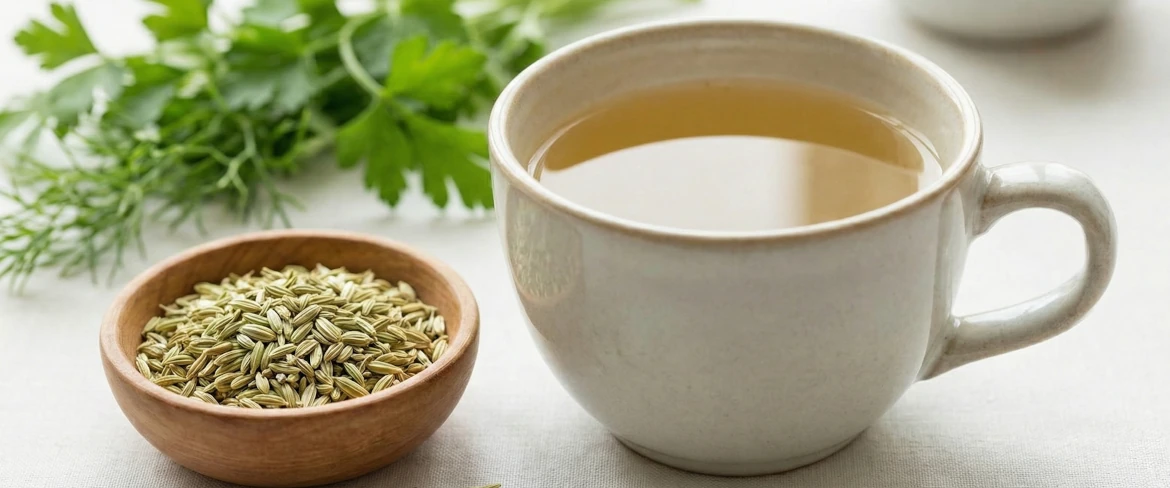
Drinking fennel is one of the most popular ways of using this plant on a daily basis. Most often, fennel is consumed in the form of an infusion made solely from seeds or as an addition to herbal, fruit or even yerba mate teas. Although these terms are sometimes used interchangeably, in practice fennel infusion and fennel tea are slightly different forms of preparation.
It is worth distinguishing between them, as they differ not only in composition, but also in flavour intensity and typical use.
Fennel infusion – how to prepare it?
Fennel infusion is the simplest and most classic way to use fennel seeds. It is prepared exclusively from fennel seeds (fennel fruit), without adding tea leaves or other herbs.
☕ How to prepare a fennel infusion – step by step
- Measure 1-2 teaspoons of fennel seeds and gently crush them (for example, in a mortar) to release their aroma.
- Transfer the crushed seeds directly into a mug or an infuser.
- Pour over about 250 ml of hot, but not boiling, water (approx. 90-95°C).
- Cover and steep for 10-15 minutes.
- Strain and drink warm.
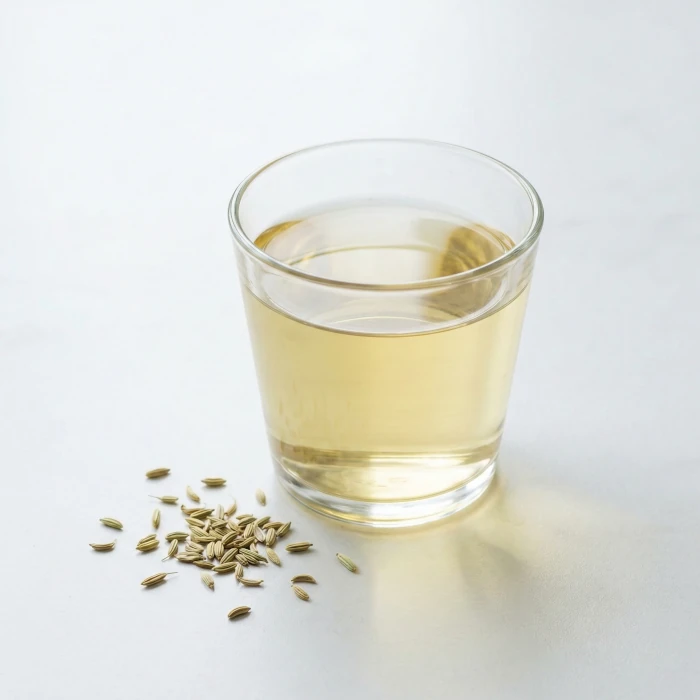
This type of fennel infusion has an intense, aniseed flavour and is most often chosen as fennel for drinking after meals or whenever a simple, single‑ingredient herbal drink is desired.
Fennel tea – what does it help with?
Unlike a single‑ingredient infusion, fennel tea is usually a blend – fennel acts as one of the ingredients alongside other herbs, fruits or a classic tea base. Such compositions are most often chosen:
- ✔️ as milder in flavour than a pure fennel infusion,
- ✔️ for regular consumption throughout the day,
- ✔️ as part of herbal blends drunk after meals.
💡 Good to know: Fennel teas and infusions should not be consumed continuously for long periods of time. With regular use, it is recommended to drink them for around two weeks, followed by a break – in line with safe herbal use practices.
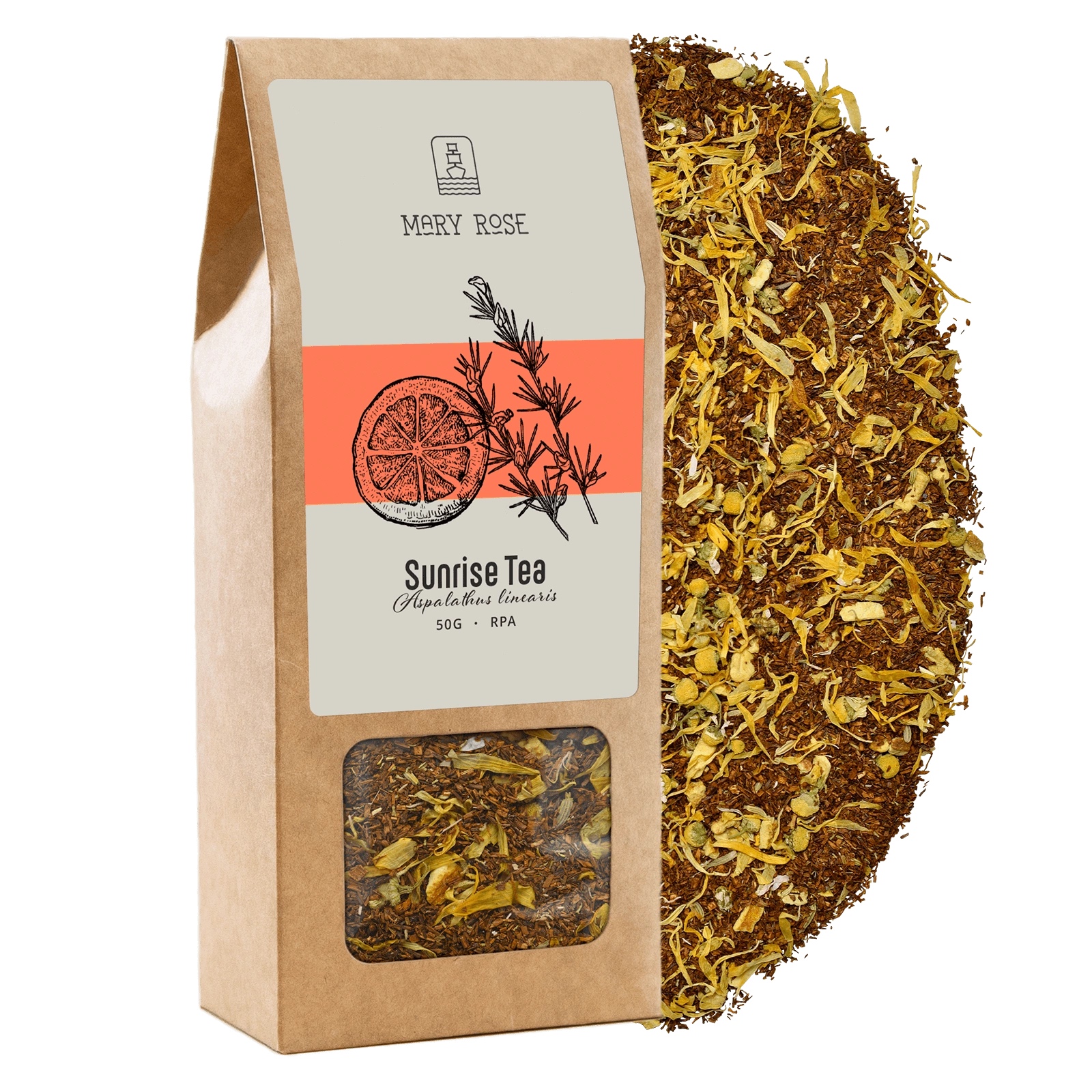
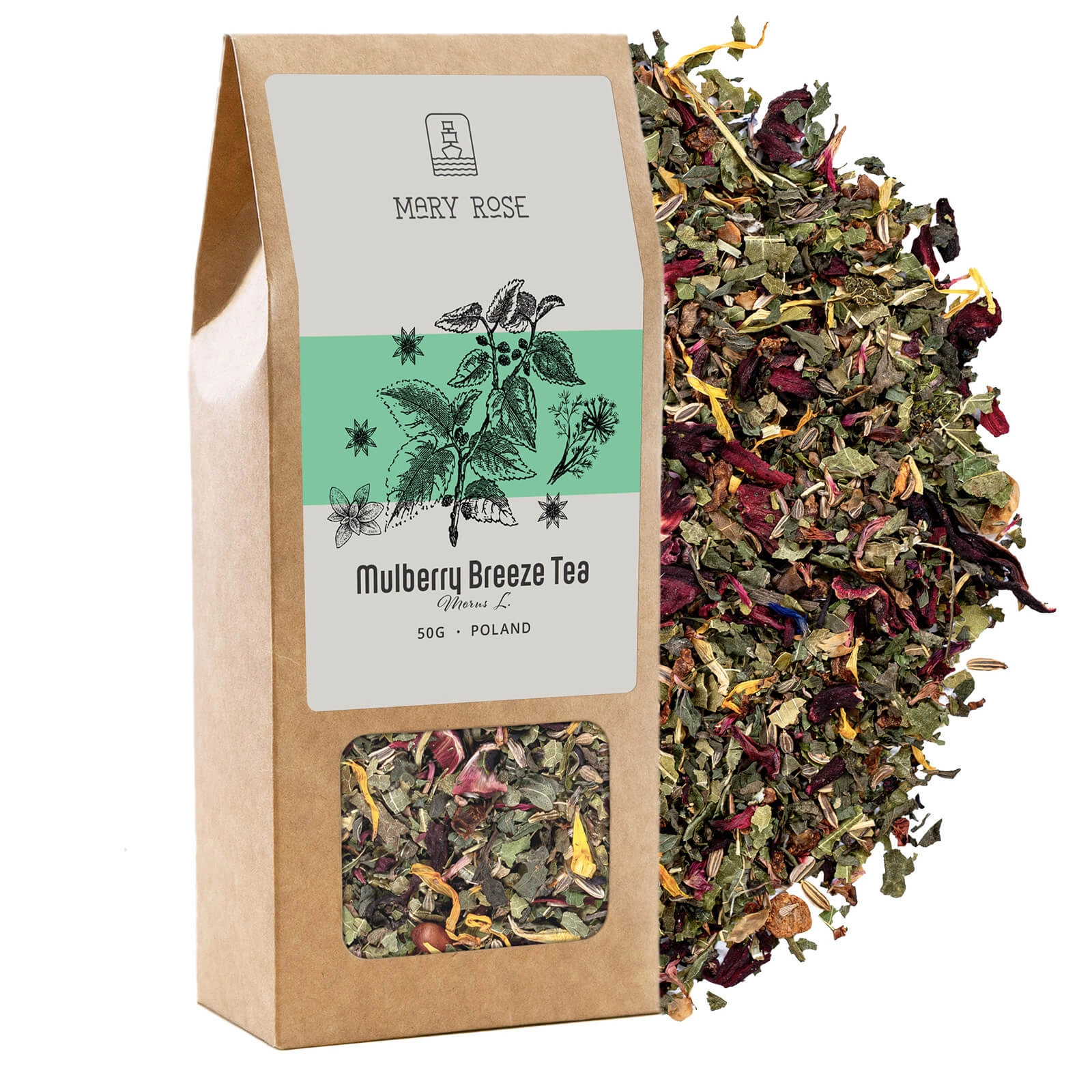
Fennel pairs particularly well with chamomile, ginger, anise, mint and fruit, which is why it is often found in ready‑made tea blends. In our shop, you can find, among others:
A delicate rooibos‑based tea with fennel, chamomile, ginger and orange peel.
A herbal and fruit blend based on mulberry leaves, with mint, anise and fennel seeds.
Yerba mate with fennel
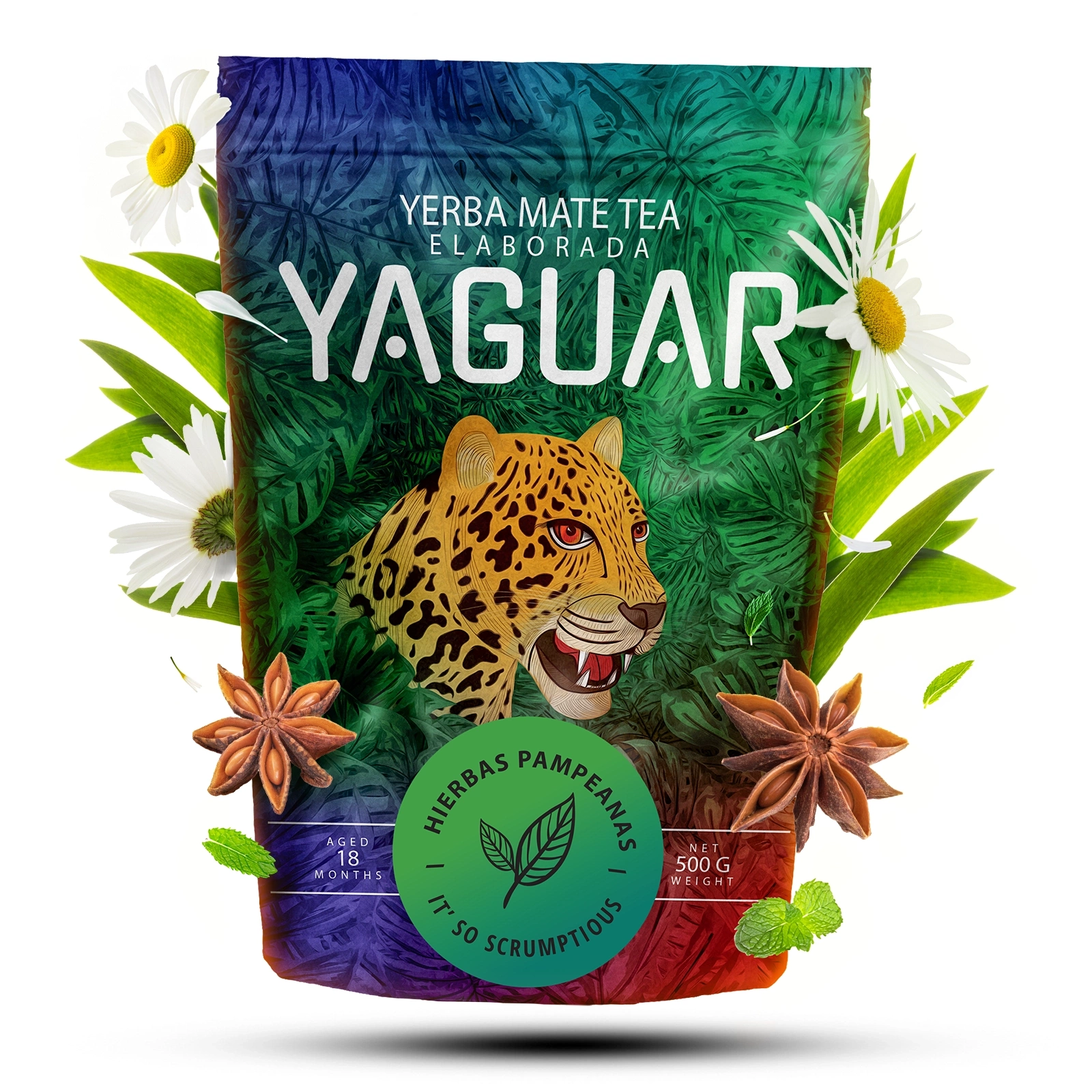
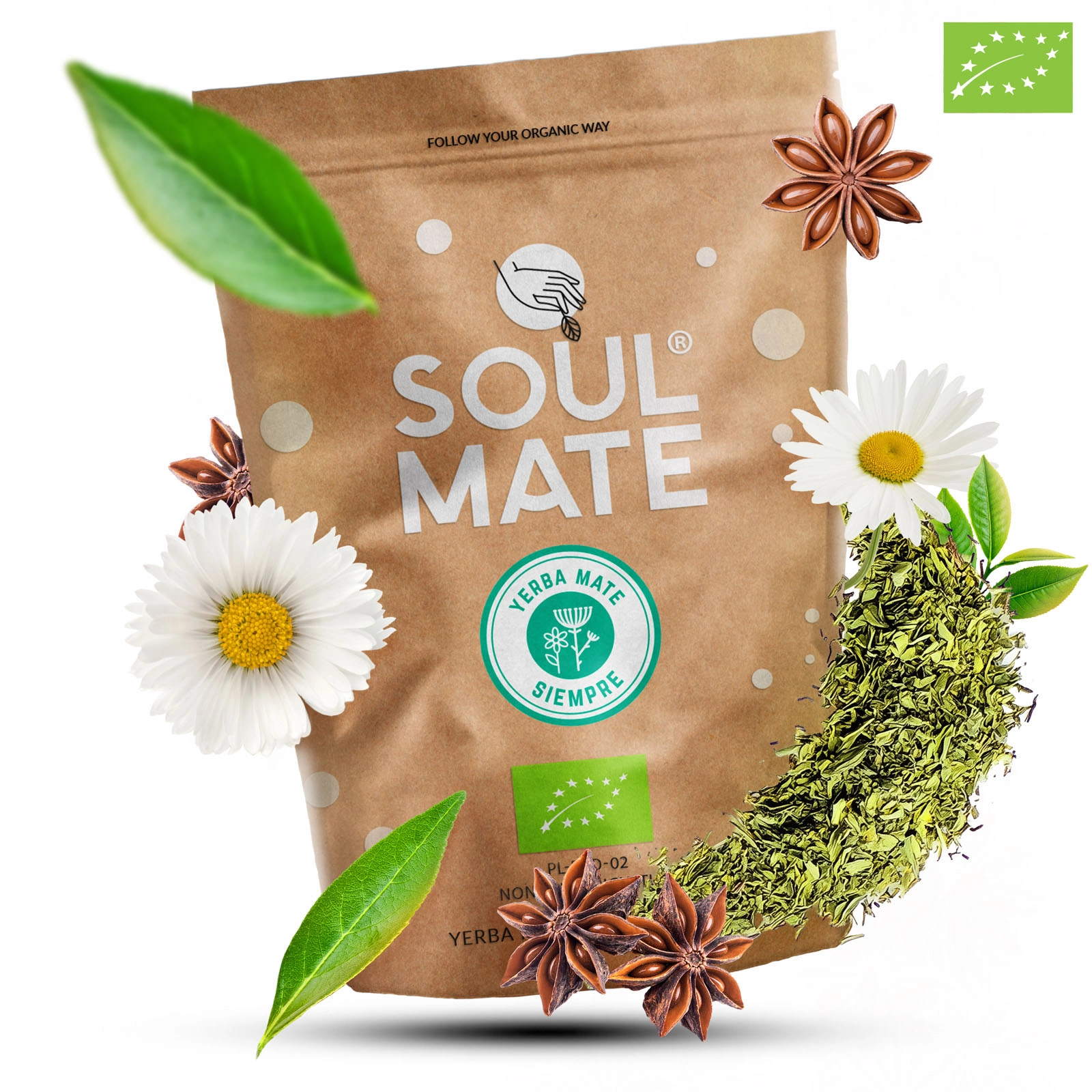
Fennel also appears in blends known as yerba mate compuesta. Its aniseed, slightly sweet aroma balances the intensity of yerba mate very well and pairs beautifully with mint, chamomile or lemongrass.
Yerba mate with fennel is often chosen by people who:
- ✔️ are looking for milder‑tasting blends,
- ✔️ want to diversify classic yerba mate with herbal notes,
- ✔️ drink yerba mate after meals.
Yerba mate with lemongrass, mint, anise, fennel and chamomile.
Organic yerba mate with anise, fennel and chamomile.
Fennel as a spice
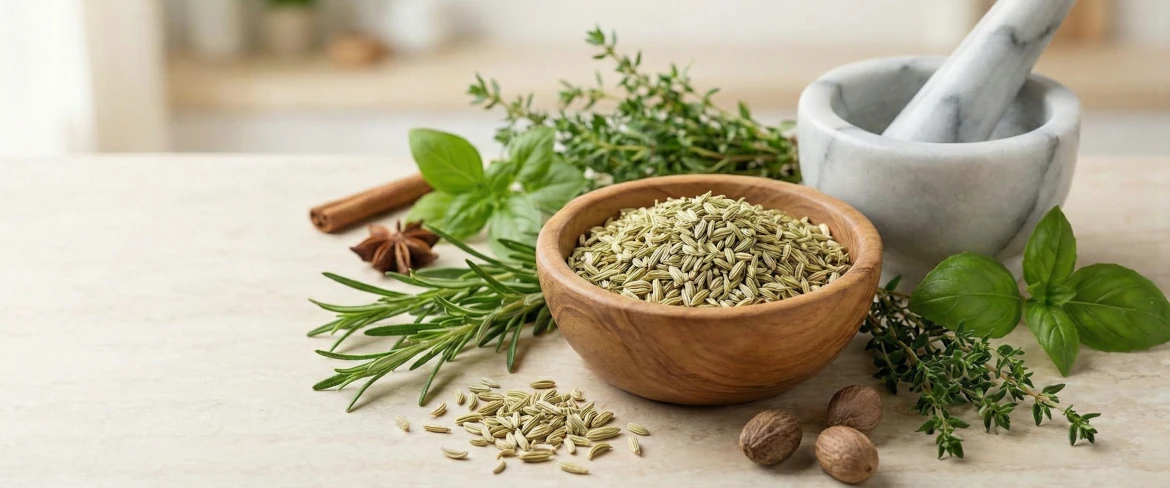
Fennel as a spice is one of the most versatile culinary uses of this plant. Both fennel seeds and fresh parts of the plant allow dishes to be given a distinctive, slightly sweet, aniseed aroma in a simple way.
Fennel works particularly well in cuisines that value herbs and spices which build flavour without overwhelming the dish. Depending on the form, it can act very subtly or become a more pronounced flavour accent.
- ✔️ Fennel seeds – intense in aroma, ideal for hot dishes, bread and spice blends.
- ✔️ Fresh bulb – milder and slightly crunchy, often used as a vegetable or side dish.
- ✔️ Leaves – used as a fresh herb, similar to dill but with an aniseed note.
Using fennel as a spice gives great freedom in the kitchen – it works equally well in simple, everyday meals and in more aromatic dishes inspired by Mediterranean cuisine.
Fennel seeds – which dishes do they suit?
Fennel seeds are particularly valued in cooking for their bold, aniseed flavour, which withstands heat treatment very well. They are most often added whole or lightly crushed so that they gradually release their aroma.
Fennel seeds work especially well with:
- 🍖 meat – especially poultry, pork and lamb, as part of marinades or roasting spices,
- 🐟 fish and seafood – they enhance the flavour of white fish and pair well with citrus and herbs,
- 🍞 bread – particularly sourdough bread, rolls and focaccia,
- 🌿 mediterranean dishes – roasted vegetables, tomato sauces, dishes with olive oil and garlic.
💡 Culinary tip: For a milder effect, add fennel seeds at the beginning of cooking. To intensify their aroma, lightly toast them in a dry pan or crush them before use.
Thanks to this versatility, fennel can successfully replace other spices or complement classic herb blends, adding freshness and character to dishes.
Fennel in the kitchen – how to eat fennel?
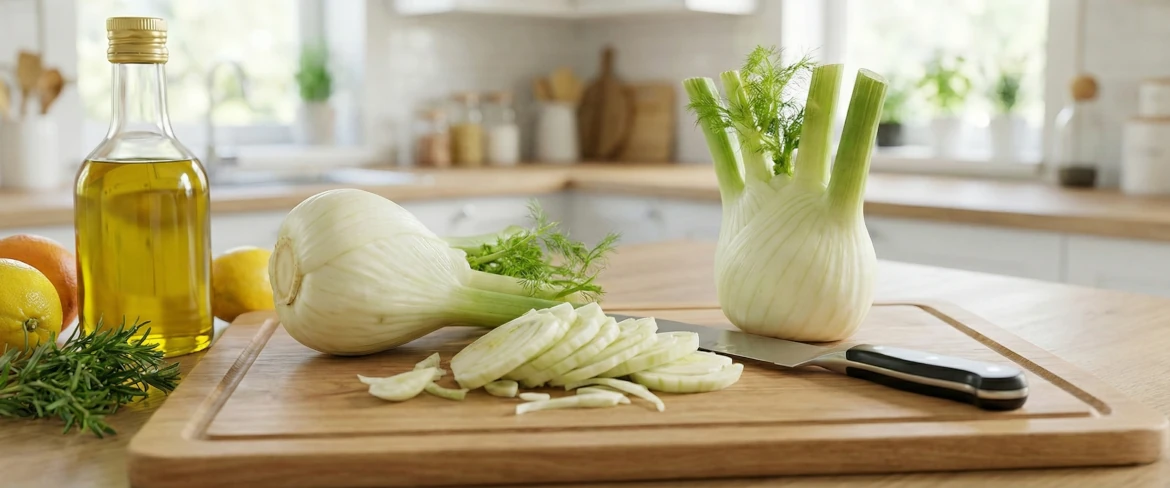
Fennel used as a vegetable (mainly the characteristic bulb, but also young stalks) offers plenty of possibilities – especially if you are just starting your journey with fennel and wondering how to incorporate it into your daily diet in a simple way. Depending on the method of preparation, it can be crunchy and fresh, delicately sweet or more intense and aromatic.
Fennel works well in both light, vegetable‑based dishes and more filling meals. It can be treated like a classic vegetable or as a flavour‑building ingredient – similar to other aromatic additions such as ginger.
So, fennel – how to eat it depends mainly on the effect you want to achieve: freshness, delicacy or a deeper, caramelised flavour. If you are interested in such culinary additions, check out this blog post: Ginger properties – the natural power for health and flavour.
How you eat fennel depends primarily on the effect you want to achieve – freshness, delicacy or a deeper, caramelised flavour.
How to eat fennel – raw, cooked or roasted?
How should fennel be eaten to make the most of its unique flavour and aroma? Each form of preparation gives it a slightly different character and works well in different dishes.
- 🥗 Raw – thinly sliced bulb (and finely chopped young stalks) is crunchy and refreshing, ideal for salads with citrus, apple, olive oil and mild cheeses.
- 🍲 Cooked or stewed – both bulb and stalks become milder and slightly sweet; they work well in soups, vegetable stews and one‑pot dishes.
- 🔥 Roasted – develops depth of flavour and gentle caramelisation; perfect as a side dish for meat or fish, or as a standalone dish with olive oil and herbs.
Experimenting with different preparation methods means that the question “fennel – how to eat it?” stops being a dilemma and becomes an inspiration to discover new, simple flavours.
Fennel recipes – culinary inspiration
Now that we know how to eat fennel and which forms work best, it is time to move on to practice. Fennel is a vegetable that does not require complicated techniques or long hours in the kitchen – just a few simple ingredients are enough to bring out its natural, slightly aniseed flavour.
Below you will find one easy fennel recipe ideal for a quick lunch or dinner, as well as a few additional ideas that can serve as inspiration for your own culinary experiments.
Fennel recipes – hot and cold dishes
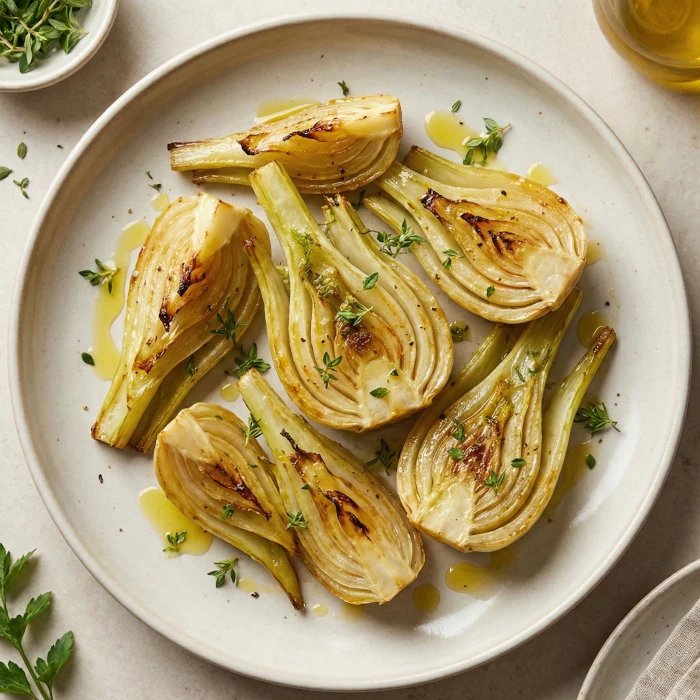
🔥 Roasted fennel with olive oil and herbs
This simple recipe perfectly shows how fennel changes its character when roasted – becoming delicately sweet, soft and aromatic.
Ingredients:
- 1-2 fennel bulbs,
- 2-3 tablespoons of olive oil,
- salt and freshly ground black pepper,
- your favourite herbs (e.g. thyme, rosemary),
- optional: garlic or lemon zest.
Method:
- Cut the fennel bulbs into wedges or slices.
- Arrange them on a baking tray lined with parchment paper.
- Drizzle with olive oil and season with salt, pepper and herbs.
- Roast at 190°C for about 30-35 minutes, until the fennel is tender and lightly golden.
Serve as a standalone dish, a side for fish, or as a warm base for salads.
More fennel recipe ideas
If you enjoy this flavour, here are a few more fennel recipes you can easily prepare at home:
- ✔️ raw fennel salad – thinly sliced bulb with orange or apple, olive oil and a splash of lemon,
- ✔️ fennel cream soup – with potato or leek, gentle and warming,
- ✔️ stewed fennel with fish – a light, aromatic meal inspired by Mediterranean cuisine,
- ✔️ pasta with fennel and herbs – sautéed fennel bulb as a base for a simple sauce.
Thanks to its versatility, fennel recipes offer plenty of room for experimentation – both in hot and cold dishes, from everyday meals to more special occasions.
Fennel – side effects and contraindications
Fennel is widely regarded as a safe ingredient in the diet and herbal infusions. However, as with most herbs and spices, moderation and common sense are recommended. In some individuals, excessive consumption of infusions made from fennel seeds may cause mild digestive discomfort, such as bloating or a feeling of heaviness.
Particular caution should be exercised by people allergic to plants from the carrot family (Apiacea), as well as by those taking medication or dealing with hormonal disorders – in such cases, regular consumption of fennel tea or infusions should be discussed with a healthcare professional. This also applies to pregnant and breastfeeding women, who should use fennel only in typical culinary amounts.
It is also worth noting that according to the position of ESPGHAN (European Society for Paediatric Gastroenterology, Hepatology and Nutrition), the use of fennel is not recommended for children under the age of 4. This recommendation is based on the lack of sufficient studies confirming the safety of regular fennel use in this age group, rather than on proven harmful effects.
When used as part of a varied diet, a culinary spice or an occasional herbal drink, fennel remains a valuable and versatile ingredient – both in the kitchen and in everyday brewing rituals.
If you enjoy natural flavours and herbal inspiration, fennel can become a permanent element of your kitchen and daily infusions.
❓ FAQ – frequently asked questions about fennel
1. What does fennel help with?
2. How do you prepare fennel tea or a fennel infusion?
3. Is drinking fennel safe and does it have side effects?
4. How to eat fennel – raw or cooked?
5. Which dishes do fennel seeds go best with?
6. Is fennel suitable for everyday use?
7. Is fennel safe for children?
Sources of information:
- Wikipedia: Fennel.
- S. Noreen et al., Pharmacological, nutraceutical, functional and therapeutic properties of fennel (foeniculum vulgare), International Journal of Food Properties, 2023.
- Sh. B. Badgujar et al., Foeniculum vulgare Mill: A Review of Its Botany, Phytochemistry, Pharmacology, Contemporary Application, and Toxicology, BioMed Research International, 2014.
Recommended

Yaguar Hierbas Pampeanas 0.5kg

Rio Parana Compuesta con Hierbas 0.5kg

Vivarini – Fennel (seeds) 1kg
