
Matcha latte – what is it and how to make the perfect matcha with milk at home?
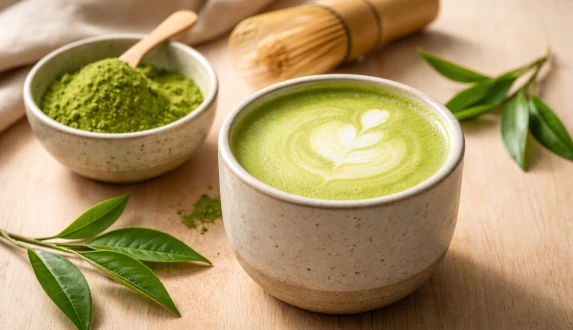
Creamy, green, gently energising and… totally Instagram‑worthy. Matcha latte has taken cafés, home kitchens and social media by storm in recent years. For some, it’s a healthier alternative to coffee; for others, a way to refresh their daily tea‑drinking ritual. This seemingly simple drink brings together the world of traditional green tea with a modern, milky twist that’s easy to adapt to your own taste and lifestyle.
If you’re asking yourself: matcha latte – what is it, how to make matcha latte, which milk to choose and why this green drink has so many fans – you’re in the right place. In this step‑by‑step guide, we’ll walk you through the basics: from what matcha actually is, through the differences between classic matcha and matcha with milk, to practical tips useful for both beginners and more experienced matcha lovers.
Right from the start, it’s worth highlighting one thing – good‑quality matcha is the foundation of a great drink. Everything else comes down to proportions, technique and… a little pleasure in experimenting. 🍵
Summary:
- Matcha latte – what is it?
- Why drink matcha latte?
- How to make matcha latte at home? Choosing matcha and proportions
- Matcha latte recipe – classic hot version
- How to make cold matcha latte?
- Which milk works best for matcha latte?
- Matcha latte – how many calories does matcha with milk have?
- Ideas for serving and decorating matcha latte
Matcha latte – what is it?
Matcha latte is a drink made from powdered green matcha tea, water and milk (dairy or plant‑based). It combines the intense, slightly grassy flavour of matcha with the creaminess of milk, making it milder and more dessert‑like than classic matcha tea.
You could say that matcha latte sits somewhere between tea and coffee. On the one hand, it provides natural caffeine and a gentle boost; on the other, thanks to the presence of L‑theanine, it offers a more stable and “calmer” form of energy than espresso. No wonder it has become a favourite choice for many people in the morning or during an afternoon break.
💡 Good to know: You can prepare matcha latte both hot and cold. In both versions, the base is the same matcha tea – only the proportions, temperature and method of combining the ingredients differ.
To prepare the drink, useful matcha accessories include a bamboo whisk (chasen) and a matcha bowl (chawan). They aren’t essential, but they do make it much easier to prepare smooth matcha with milk without any lumps.
What is matcha tea?
Matcha tea is a unique form of powdered green tea made from young leaves of the tea plant Camellia sinensis. A few weeks before harvesting, the tea bushes are shaded, which increases their chlorophyll and amino acid content – including valuable L‑theanine.
After harvesting, the leaves are dried, stripped of stems and veins, and then ground into a very fine, vibrant green powder. Unlike traditional loose‑leaf green tea, when you drink matcha, you consume the whole leaf, not just an infusion. This is why matcha stands out for its richer flavour and higher concentration of active compounds.
What makes matcha tea distinctive?
- ✔️ Colour: high‑quality matcha has a vivid, bright green shade.
- ✔️ Flavour: umami, gently sweet, without pronounced bitterness.
- ✔️ Texture: a very fine, silky powder that creates a smooth, slightly creamy drink with no sediment.
The quality of the matcha has the greatest impact on the final taste of the drink – especially when it comes to matcha tea with milk, where balance and delicacy are key.
How is matcha latte different from classic matcha?
Classic matcha is prepared using only matcha powder and hot water. It has an intense, dry character and a clearly tea‑forward flavour profile. Matcha latte, by contrast, is a softened version – the addition of milk makes the drink creamier, gentler and more approachable, particularly for those just starting their matcha journey.
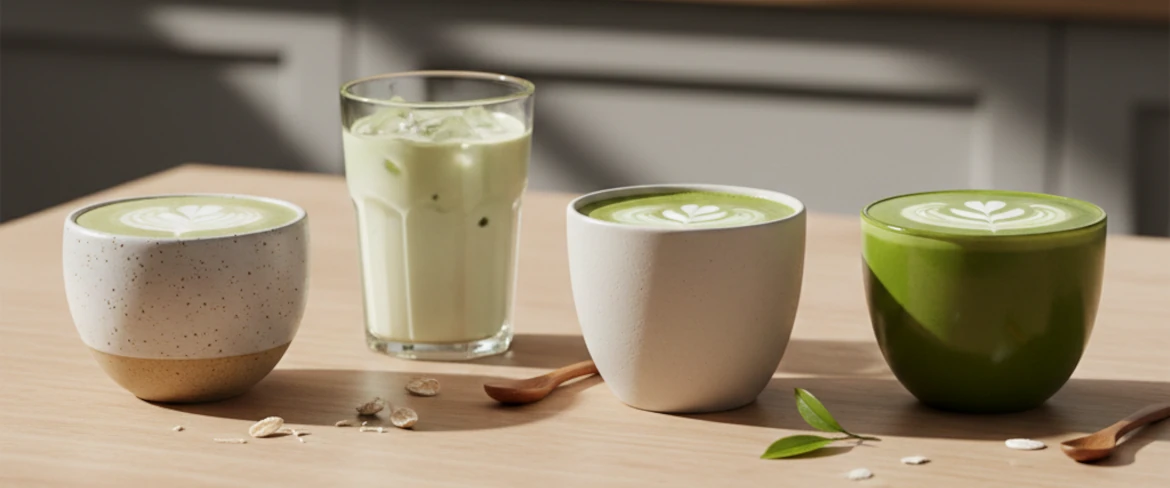
Milk affects not only the taste, but also the texture and how filling the drink feels. Depending on the type of milk you choose, you can achieve different results:
- 🥥 Matcha with coconut milk – more dessert‑like, naturally sweet.
- 🌾 Matcha with oat milk – creamy and neutral in flavour.
- 🌰 Matcha with almond milk – light, with a subtle nutty note.
- 🌱 Matcha with soy milk – more filling, with a stronger character.
Thanks to this flexibility, matcha latte how to make can take many forms, allowing you to tailor the drink to your personal taste and lifestyle. In the next sections, we’ll show you exact proportions, a clear matcha latte recipe step by step, as well as hot and cold variations.
📌 In short: Matcha latte is the perfect compromise between intense tea and a milky drink. If classic matcha feels too strong for you, the version with milk is a great place to start.
Why drink matcha latte?
Matcha latte is more than just a trendy drink with an intense green colour. For many people, it has become a daily ritual that combines the pleasure of drinking something creamy and comforting with the functional benefits characteristic of matcha tea. It works equally well when you need a gentle boost of energy and when you want to slow down and take a moment for yourself during the day.
It’s also an exceptionally versatile drink – you can prepare it hot or cold, with different types of milk and various add‑ins, adjusting the flavour and intensity to suit your needs. If you’d like to explore matcha itself in more depth, have a look at this article on our blog: Matcha from A to Z. What is this tea, what does it taste like and why is it worth drinking?
Matcha properties and potential health benefits
Matcha owes its unique properties to the specific way tea leaves are grown and processed. Because matcha is consumed as a finely ground powder made from whole tea leaves, it delivers more naturally occurring compounds than a traditional infusion. What can you find in matcha?
- ✔️ Antioxidants (catechins and their derivatives, including EGCG) – compounds widely studied for their role in protecting cells against oxidative stress.
- ✔️ L‑theanine – an amino acid characteristic of green tea that, when combined with caffeine, supports alertness and focus without sudden spikes in energy.
- ✔️ Natural caffeine – released more slowly than the caffeine in coffee, which helps provide a steadier form of stimulation.
Research suggests that the combination of L‑theanine and caffeine found in matcha may support concentration and the subjective feeling of “calm energy”, without the jitteriness or sudden crash often associated with coffee.
💡 Scientific insight: Studies published in 2018 suggest that regular matcha consumption may be associated with reduced perceived stress and improved cognitive performance, attributed to the synergy between L‑theanine and caffeine.
💬 Source: K. Unno et al., Stress‑Reducing Function of Matcha Green Tea in Animal Experiments and Clinical Trials, Nutrients, 2018.
Matcha latte vs coffee – how do they differ?
Both coffee and matcha latte contain caffeine, but their effects on the body feel noticeably different. In coffee, caffeine is absorbed quickly, resulting in an almost immediate surge of energy – often followed by a sudden drop.
With matcha, caffeine is released more gradually, mainly due to the presence of L‑theanine. The result? Long‑lasting, more balanced stimulation, without the irritability or heart palpitations that some people experience after drinking coffee.
- ☕ Coffee: a fast energy “hit”, strong stimulation, shorter‑lasting effect.
- 🍵 Matcha latte: gentler but longer‑lasting energy and greater comfort of focus.
That’s why matcha latte is often chosen by people who work mentally, students, and anyone looking to reduce their coffee intake without giving up the pleasure of a warm (or cold!) daily drink.
How to make matcha latte at home? Choosing matcha and proportions
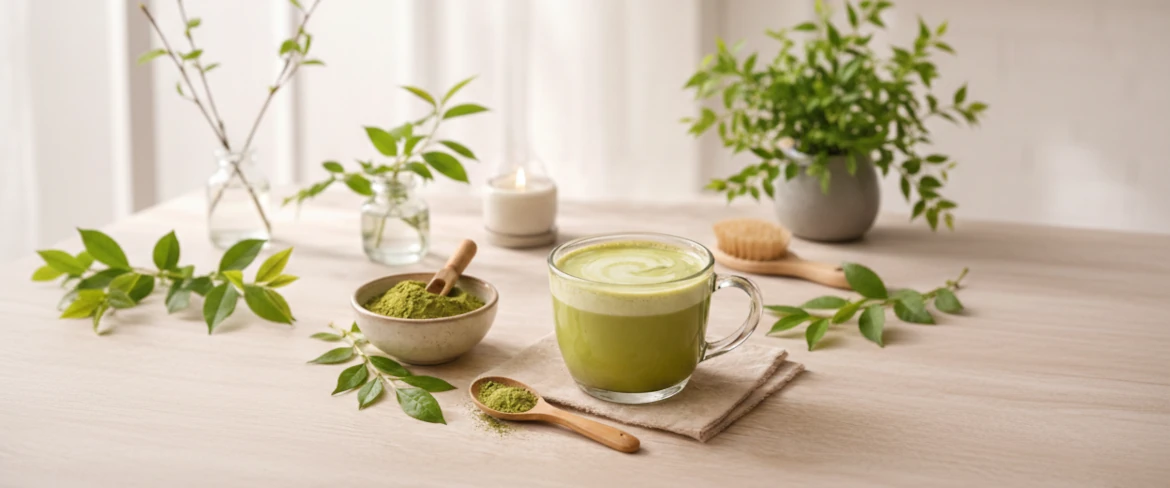
Good news: to prepare a delicious matcha latte at home, you don’t need professional barista equipment or years of experience. All you need are good‑quality ingredients, a bit of basic knowledge and a moment of calm – the rest comes down to taste and small personal preferences.
Before we move on to step‑by‑step recipes, it’s worth pausing for a moment to look at two key elements that have the greatest impact on the final result: choosing the right matcha and getting the proportions right. These factors determine whether your matcha latte will be delicate and creamy or bold and distinctly tea‑forward.
Which matcha should you choose for matcha latte?
Choosing the right matcha is absolutely essential – especially in a drink like matcha latte, where the flavour of the tea is combined with milk. In practice, it all comes down to one simple question: should matcha be the background note, or the main star of the drink?
For matcha latte, culinary‑grade or premium matcha is most often recommended. These varieties are more expressive in flavour, stand up well to milk and retain their characteristic taste even in a milky version.
✅ Which matcha works best for matcha latte?
In practice – from a matcha latte perspective – you’ll most often encounter the following types:
- Culinary‑grade matcha – ideal for everyday matcha latte; bold in flavour and well suited to milk and add‑ins.
- Premium matcha – more balanced and gentler; perfect for matcha latte with less milk or without additional sweeteners.
- Ceremonial‑grade matcha – the highest quality, intended mainly for drinking with water; it’s usually not recommended for latte, as its subtle flavour can easily be lost in milk.
It’s also worth paying attention to the following factors:
- ✔️ Colour – the more vibrant and intense the green, the better.
- ✔️ Flavour – good matcha should not taste distinctly bitter.
- ✔️ Origin – Japanese matcha is usually more delicate, while Chinese matcha tends to be bolder.
In practice, these characteristics translate into noticeable differences between matcha types. Some work better in everyday matcha with milk, while others are better suited to drinking on their own with water. To make the choice easier and clearly show which matcha is best for matcha latte and which is not, we’ve prepared a short comparison of the most common types below.
Types of matcha – which one to choose for matcha latte?
| Type of matcha | Flavour profile | Intensity | For matcha latte | Recommendation |
|---|---|---|---|---|
| Culinary‑grade matcha | Bold, slightly grassy | High | ✅✅✅ |
Best choice for everyday matcha latte Chinese | Japanese BIO |
| Premium matcha | Balanced, more delicate | Medium | ✅✅ |
Ideal for matcha latte with less milk Chinese | Japanese BIO |
| Ceremonial‑grade matcha | Subtle, umami | Low | ❌ |
Best enjoyed on its own with water Japanese BIO |
As you can see, culinary‑grade and premium matcha work best for matcha latte – they retain a bold flavour when combined with milk and make it easy to control the drink’s intensity. Ceremonial‑grade matcha, although of the highest quality, usually performs better in the classic version prepared with water only. If you’re just starting your matcha latte journey, choosing culinary or premium matcha is the safest and most versatile option. Once you’ve chosen the right matcha, it’s time to move on to another key element – proportions.
Proportions – how much matcha and how much milk?
Another crucial factor in creating the perfect matcha latte is getting the proportions right. They determine the intensity of flavour, texture and the overall “character” of the drink. Fortunately, the basic formula is very simple and easy to adjust.
Classic proportions for one matcha latte:
- ✔️ 1-2 g of matcha (approx. ½-1 teaspoon)
- ✔️ 60-80 ml of water
- ✔️ 200-250 ml of milk
You can freely experiment starting from this base:
- 🍵 add more matcha – for a stronger, more tea‑forward flavour,
- 🥛 add more milk – for a gentler, more dessert‑style matcha latte,
- 💧 use less water – for a thicker, creamier texture.
Which accessories are useful for making matcha latte?
Although matcha is often associated with a traditional Japanese tea ceremony, in practice you don’t need specialist tools to make matcha latte. Of course, they can be helpful – but if you’re just starting out, you can easily use what you already have in your kitchen.
Traditionally, matcha is prepared using:
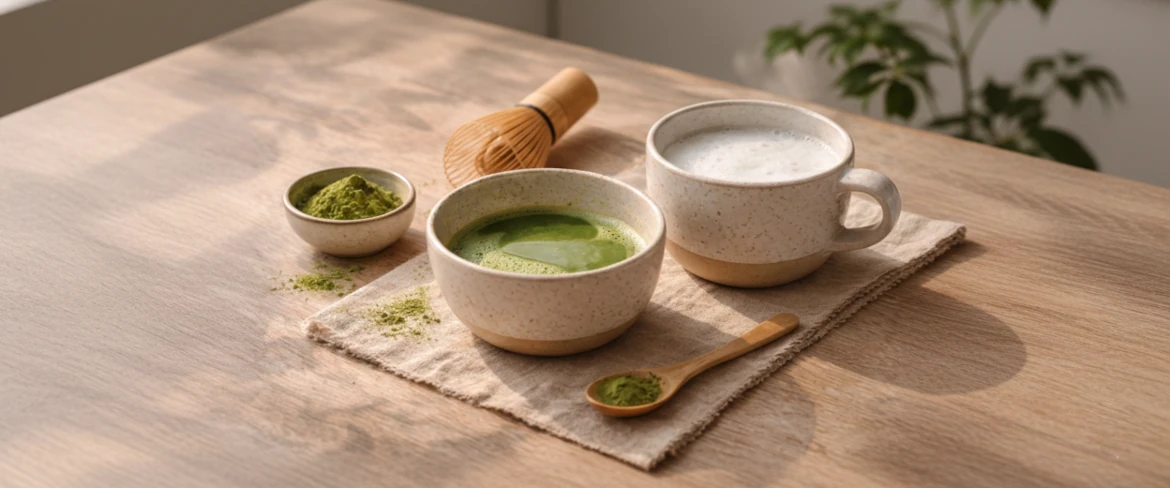
- Chasen – a bamboo whisk that helps disperse matcha evenly in water and achieve a smooth, lump‑free consistency.
- Chawan – a bowl designed for preparing matcha, comfortable for vigorous whisking.
If you don’t have traditional tools, no worries. For home‑made matcha latte, simple alternatives work just as well:
- instead of a chasen 👉 a milk frother, a small hand whisk or even a fork,
- instead of a chawan 👉 a regular ceramic bowl or a larger mug.
The most important thing is to dissolve the matcha thoroughly in water – this step determines whether your matcha latte will be perfectly smooth or end up with lumps. Everything else comes down to convenience and personal preference.
Once you’ve chosen your matcha, set the proportions and picked your tools, we can move on to the essentials – how to make matcha latte step by step.
Matcha latte recipe – classic hot version
Classic hot matcha latte is the simplest and most versatile version of this green drink. It works perfectly as a morning ritual instead of coffee, as well as a relaxing moment in the afternoon. Below you’ll find a simple matcha latte recipe that you can easily prepare at home – without complicated techniques or specialist equipment.
In this version, we focus on the basics: properly whisked matcha, the right water temperature and creamy, lightly frothed milk. These elements are what ultimately determine the flavour and texture of the finished drink.
Matcha latte – ingredients
To prepare one serving of classic matcha latte, you only need a few basic ingredients:
- matcha tea – the base of the drink, responsible for flavour, colour and properties.
- hot water (approx. 70-80°C) – used to dissolve the matcha; water that’s too hot can introduce bitterness.
- milk – dairy or plant‑based, depending on your preference.
- optionally – something sweet:
- maple syrup, honey or coconut sugar – if you enjoy lightly sweetened matcha latte,
- vanilla, cinnamon or cardamom – for a subtle aromatic accent.
This minimalist set gives you plenty of room to experiment – by adjusting proportions, choosing different milk or adding flavourings, you can easily tailor the taste to your liking.
🍵 How to make matcha with milk – step by step
Step 1: Add matcha to a bowl
Measure the right amount of matcha powder (about ½-1 teaspoon) and add it to a bowl or a large mug. If you want to avoid lumps, you can sift the matcha through a fine sieve beforehand.
Step 2: Prepare the matcha base with water
Pour hot but not boiling water (approx. 70-80°C) over the matcha. Then whisk thoroughly using a chasen, milk frother or small whisk until you get a smooth, even, intensely green base. Pour the prepared matcha into the cup or glass you’ll be serving the drink in.
Step 3: Combine matcha with milk
Heat the milk to around 60-65°C and pour it into the prepared matcha base. If you enjoy foam, you can froth the milk beforehand. Add sweetener or spices if desired and gently stir.
Step 4: Your matcha latte is ready
The drink is ready to serve. You can leave a layer of milk foam on top or try a simple latte art pattern – or simply enjoy your creamy green matcha latte.
✨ The “lazy” version (or for very busy days):
If convenience is your priority and you want to make matcha latte in literally a minute, you can reach for a ready‑made blend such as Mary Rose Matcha Latte BIO.
This blend combines Japanese matcha with organic coconut sugar, so there’s no need to add extra sweetener or measure precise proportions. Just one teaspoon of the mix, warm water and milk – an ideal solution for busy mornings or whenever you fancy a gentler, naturally sweet matcha latte.
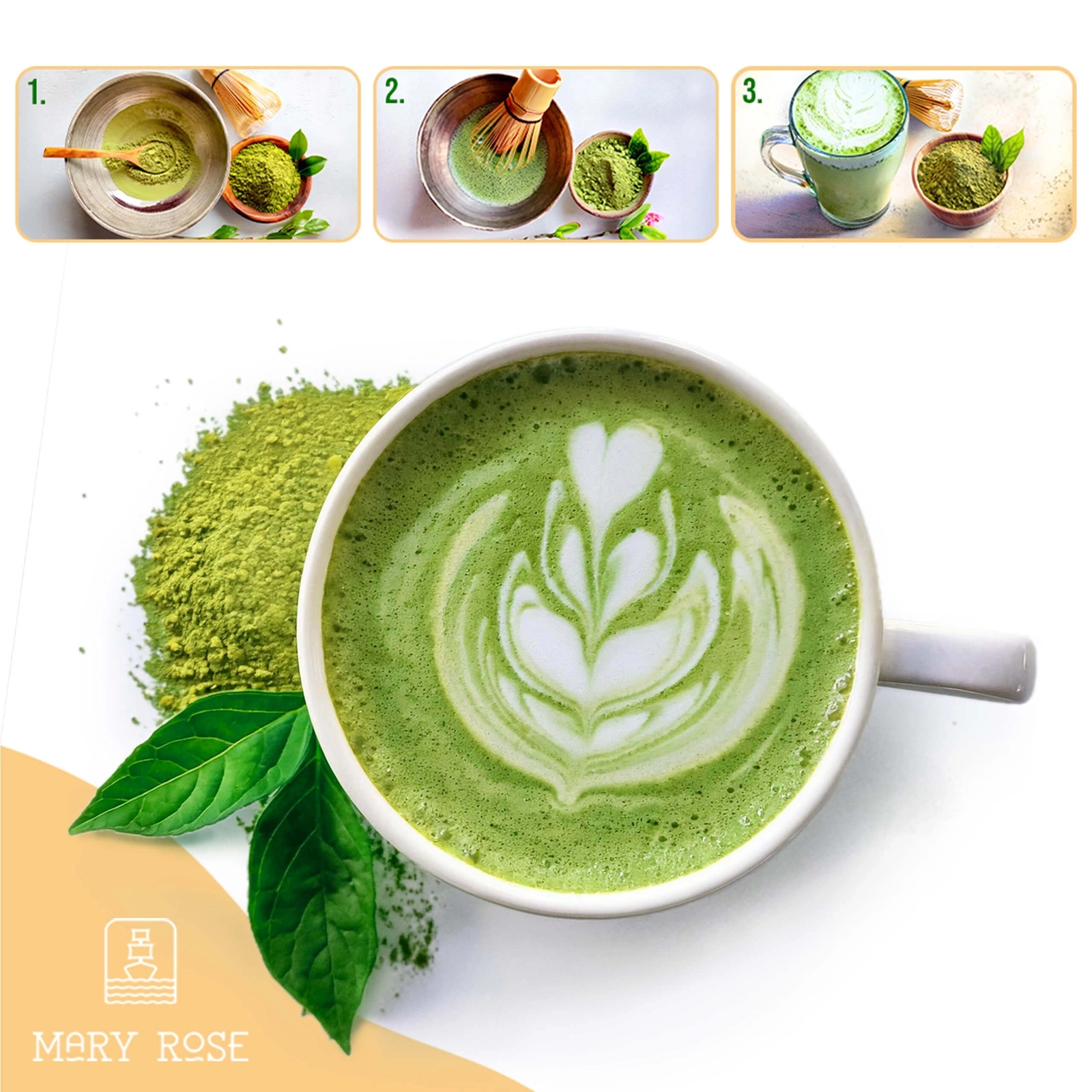
A well‑prepared matcha latte should be smooth, creamy and nicely balanced – without noticeable lumps or excessive bitterness. If the flavour feels too strong or too mild, simply return to the proportions and adjust them to suit your taste.
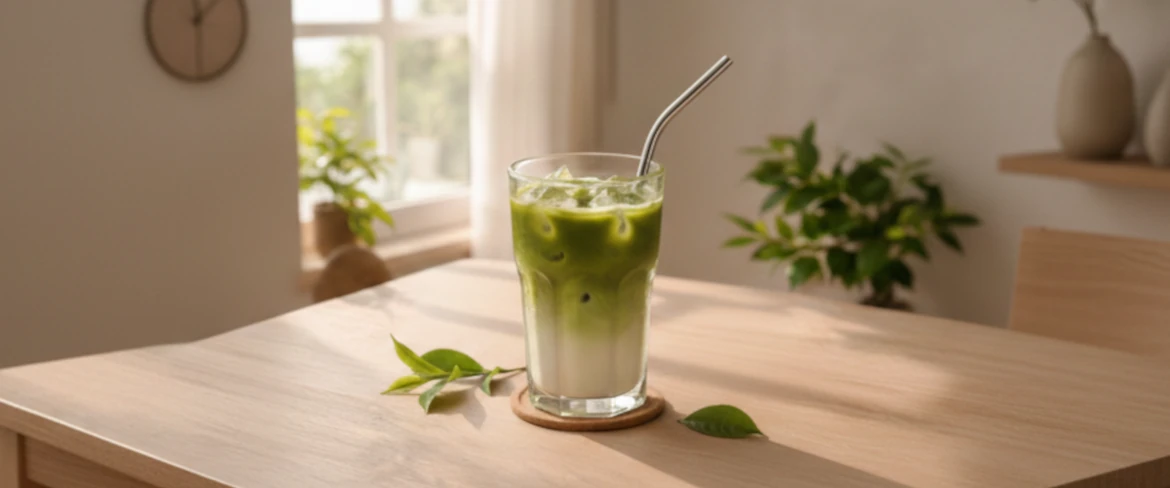
How to make cold matcha latte?
Cold matcha latte is a perfect alternative to the classic hot version – especially on warmer days, when you’re craving something refreshing yet still creamy and gently energising. Compared to the hot version, cold matcha latte feels lighter, more refreshing and often highlights matcha’s natural, plant‑like notes.
In terms of flavour, the differences are subtle but noticeable. The cold version is usually slightly less intense and “cleaner” in taste, while the addition of ice and cold milk gives the drink a thinner, more beverage‑like consistency. It’s an excellent option for those who enjoy matcha but prefer something less dessert‑like in summer.
The good news is that cold matcha latte doesn’t require a completely new recipe – you simply need to adapt the classic version.
Cold matcha latte – recipe
The base of cold matcha latte follows the same principle as the hot version: properly whisked matcha plus milk. What really matters here are ingredient temperature, mixing method and the order in which everything is combined.
How to modify the classic recipe to make cold matcha latte?
- Dissolve matcha in a small amount of water – use hot (but not boiling) water, just like in the hot version. This is the most important step for avoiding lumps.
- Let the matcha base cool slightly – this prevents the drink from becoming diluted or bitter once ice is added.
- Add ice cubes – ideally to a tall glass before pouring in the milk.
- Use cold milk – dairy or plant‑based, depending on your preference.
- Mix thoroughly – with a spoon, milk frother or in a shaker, so that all ingredients combine evenly.
If you want a creamier effect, you can lightly froth the cold milk before adding it to the matcha. The cold version also pairs particularly well with matcha with oat milk or matcha with coconut milk, which naturally enhance the drink’s smoothness.
💡 Tip: Never add matcha powder directly to cold milk or water – it’s the easiest way to end up with lumps. Always prepare a smooth matcha base first using a small amount of warm water.
Once prepared this way, cold matcha latte becomes a great base for further experimentation – with different types of milk, a hint of vanilla or a touch of maple syrup. In the next section, we’ll take a closer look at which milk works best for matcha latte and how it affects both flavour and texture.
Which milk works best for matcha latte?
Choosing the right milk is one of the key factors that determines the flavour, texture and calorie content of matcha latte. Milk sets the overall character of the drink – it can make it more dessert‑like, light, neutral or distinctly creamy.
The good news is that there is no single best milk for matcha latte. Everything depends on your taste preferences, lifestyle and whether you prepare your matcha latte hot or cold. Below, we take a closer look at the most popular options and how they influence the character of this green drink.
Matcha with coconut milk
Matcha with coconut milk is one of the most expressive and dessert‑style versions of matcha latte. Coconut milk gives the drink a rich creaminess, natural sweetness and a subtly exotic note that beautifully softens matcha’s grassy flavour.
This option works particularly well for people who:
- 🥥 enjoy rich, creamy drinks,
- 🥥 treat matcha latte as an alternative to sweet coffee beverages,
- 🥥 often choose plant‑based and more filling options.
It’s worth remembering that coconut milk is usually higher in calories than other plant‑based milks, which is why matcha with coconut milk is best enjoyed as an occasional ritual or an afternoon treat.
Matcha with oat milk
Matcha with oat milk is currently one of the most popular choices – and for good reason. Oat milk has a neutral flavour with a gentle natural sweetness, allowing it to complement matcha without overpowering its aroma.
This is a very versatile option that:
- 🌾 froths well and creates a creamy texture,
- 🌾 works equally well in hot and cold versions,
- 🌾 is mild and “safe” for those new to matcha.
If you’re wondering which milk works best for everyday matcha latte, oat milk is one of the most universal choices.
Matcha with almond milk
Matcha with almond milk is a great option for those who prefer lighter, lower‑calorie drinks. Almond milk adds a subtle nutty note and a lighter texture to matcha latte.
This version works best if:
- 🌰 you’re looking for a light, refreshing drink,
- 🌰 you usually enjoy matcha latte cold,
- 🌰 you want the matcha flavour to remain clearly noticeable.
It’s best to choose almond milk with a simple ingredient list and no added sugar – this way, matcha with almond milk keeps a clean, natural taste.
Matcha with soy milk
Matcha with soy milk is the option most similar to dairy milk in terms of texture and protein content. As a result, the drink feels more filling and has a distinctly creamy structure.
Soy milk:
- 🌱 froths well,
- 🌱 creates a stable, smooth foam,
- 🌱 works particularly well in classic hot matcha latte.
That said, soy milk has a characteristic flavour that not everyone enjoys. If you like it, however, matcha with soy milk can be one of the most café‑style versions of home‑made matcha latte.
📌 In short:
- ✔️ coconut milk creates the creamiest, most dessert‑like effect,
- ✔️ oat milk is the most versatile option for matcha latte,
- ✔️ almond milk works well in light, refreshing versions,
- ✔️ soy milk provides a filling texture similar to dairy milk.
As you can see, the choice of milk can completely change the character of the drink. In the next section, we’ll look at how many calories matcha latte contains and how different types of milk affect its calorie content.
Matcha latte – how many calories does matcha with milk have?
The calorie content of matcha latte depends mainly on the type of milk used and any optional add‑ins such as maple syrup, honey or sugar. Matcha tea itself is very low in calories – around 5-10 kcal per serving (from 1-2 g of powder) – so it’s the milk that really makes the difference.
As a rough guide, one serving of matcha latte (about 250 ml of milk, without extras) may contain:
- matcha with coconut milk – approx. 180-230 kcal (the most dessert‑like and filling option),
- matcha with oat milk – approx. 120-160 kcal,
- matcha with almond milk – approx. 60-90 kcal (one of the lightest versions),
- matcha with soy milk – approx. 120-150 kcal.
These values are approximate and may vary depending on the milk brand and proportions used. Adding a sweetener can increase the calorie content by an additional 20-60 kcal, depending on the type and amount. If you’re aiming for a lighter option with fewer matcha latte kcal, choose unsweetened plant‑based milk and keep added sweeteners to a minimum.
Ideas for serving and decorating matcha latte
Matcha latte is a drink that practically invites creative presentation. Its intense green colour contrasts beautifully with white milk foam, so even simple details can make your home‑made matcha latte look like it came from a good café.
If you’d like to give your drink a special touch, try a few easy ideas:
- a tall glass or thick‑walled mug – especially striking for cold matcha latte,
- milk foam – even without advanced latte art, it looks impressive,
- a pinch of matcha, cinnamon or cocoa sprinkled on top,
- simple latte art – a heart or leaf pattern is enough to make an impact,
- natural garnishes – a slice of fresh fruit (such as a strawberry), a cinnamon stick or mint leaves.
Remember, matcha latte is not just a recipe – it’s a small ritual. A moment to pause, your favourite cup, well‑chosen matcha and milk can turn this green drink into a daily pleasure, exactly the way you like it.
Experiment with flavours, milk and add‑ins – and find your favourite version of matcha latte!
❓ FAQ – frequently asked questions about matcha latte
1. Is matcha latte healthy?
2. How to make matcha latte at home?
3. How many calories does matcha latte have?
4. Which milk works best for matcha latte?
5. How to make cold matcha latte?
6. Which matcha is best for matcha latte?
Sources of information:
- Wikipedia: Matcha, Matcha latte.
- A. Korn et al., Exploring the Health Benefits of Matcha: A Comprehensive Review, Journal of Education, Health and Sport, 2024.
- J. Kochman et al., Health Benefits and Chemical Composition of Matcha Green Tea: A Review, Molecules, 2021.
- K. Unno et al. Stress-Reducing Function of Matcha Green Tea in Animal Experiments and Clinical Trials, Nutrients, 2018.
Recommended

Set Traditional Matcha 100g + Chasen + Chashaku

Matcha tea brewing gift set

Mary Rose – Japanese Matcha Green Tea (BIO) Premium 30g
