
Paraguayan yerba mate – what makes it unique and why is it worth choosing?
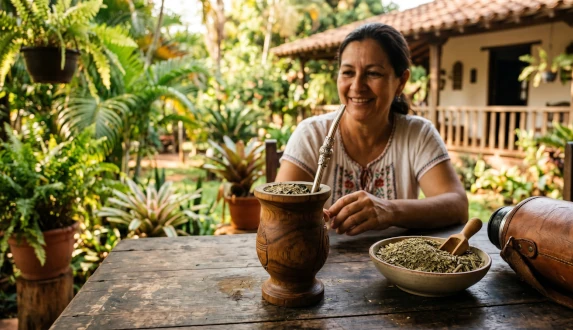
We’re back with our journey through the most important “yerba mate countries”! After a fascinating trip to Argentina, it’s time for a place that many consider the absolute cradle and spiritual home of the mate tea infusion. Ahead of us is intense, smoky and distinctive paraguayan yerba mate. If you’re looking for real stimulation and a flavour you simply can’t ignore – you’re in the right place.
Paraguay is a country where drinking mate is more than just a habit – it’s a foundation of everyday life and local culture. It’s hardly surprising, considering that it was here that the indigenous Guaraní people discovered the remarkable properties of Ilex paraguariensis leaves. Today, yerba mate from Paraguay is known worldwide for its uncompromising character, smoky aroma and powerful effect. In our shop, you’ll find a wide range of products from this region – but before you reach for them, it’s worth understanding what lies behind traditional Paraguayan production. How does it differ from the gentle Argentinian style? Why does traditional paraguayan yerba mate taste so good when served cold? Let’s dive in!
Summary:
- What is Paraguayan yerba mate?
- Yerba mate from Paraguay – key characteristics
- How is Paraguayan yerba mate produced?
- Paraguayan yerba mate vs other countries – key differences
- How to drink Paraguayan yerba mate?
- Which Paraguayan yerba mate should you choose?
What is Paraguayan yerba mate?
By definition, every yerba mate consists of the dried leaves and twigs derived from the Paraguayan holly (Ilex paraguariensis). However, what ends up in your mate cup depends largely on the so-called terroir (growing conditions) and processing methods. Paraguayan yerba mate is a product fully shaped by local tradition and the country’s hot, demanding climate. The blend is characterised by relatively fine-cut leaves, the presence of larger twig pieces, and a significant amount of dust. It is precisely this dust, combined with traditional smoke-drying, that gives it its legendary strength and unmistakable intensity.
💡 Did you know? The anthropological roots of yerba mate are closely linked to the indigenous Guaraní people. As described by anthropologist Ch. Folch (2010), long before the arrival of conquistadors, the Guaraní treated mate tea as a sacred plant. They used it in pre-Columbian rituals, believing in its supernatural and energising properties. The infusion itself played a central role in their social and spiritual life – and this community-building tradition, in a modernised form, has survived in South America to this day.
💬 Scientific source: Ch. Folch, Stimulating Consumption: Yerba Mate Myths, Markets, and Meanings from Conquest to Present, Comparative Studies in Society and History, 2010.
Paraguayan yerba mate vs other types of mate tea
For beginners, all mate blends may look similar – but a trained eye (and palate!) will quickly notice the differences. How does ”mate Paraguay” compare to its neighbours?
- 👉 Argentina: usually milder, with coarser cuts and less dust. Argentine producers increasingly move away from smoke-drying in favour of hot-air drying (sin humo), resulting in a classic, slightly grassy but well-balanced flavour.
- 👉 Brazil: a land of contrasts! On one side, there is chimarrão – a bright green, powder-like, fresh and non-aged yerba mate. On the other, popular mate green – coarsely cut, low in dust and air-dried. Both share a light, fresh, grassy profile with almost no bitterness.
- 👉 Uruguay: although the raw material is often produced in Brazil (as Tipo PU-1), it perfectly matches Uruguayan preferences. It consists of finely cut leaves with a large amount of dust and almost no stems. It is aged, producing a strong, dense infusion with a grassy-sweet character.
- 👉 Paraguay: the kingdom of smoke, bitterness and dust, with a solid presence of stems. Paraguayan mate tea is produced using the traditional barbacuá method and aged for a long time, developing a deep, woody and tobacco-like profile.
Why is Paraguayan yerba mate considered the most intense? The answer lies in its composition. A high dust content allows water to quickly extract flavour, bitterness and stimulating compounds. Meanwhile, smoke-drying “locks in” a unique aroma within the leaves.
💬 Scientific source: S. Isolabella et al., Study of the bioactive compounds variation during yerba mate (Ilex paraguariensis) processing, Food Chemistry, 2010.
These studies show that traditional processing stages – such as drying and long ageing – not only shape the intense flavour of mate tea but also increase the content of valuable bioactive compounds (including caffeine and antioxidants) compared to raw green leaves.
Is “tea from Paraguay” the correct term?
When searching online or talking to others, you may come across phrases like “tea from Paraguay” or “Paraguay mate tea”. From a marketing or everyday perspective, this makes perfect sense – after all, we brew it with hot water. However, botanically speaking, it’s a different story.
True tea (black, green, white or pu-erh) comes from the leaves of the tea plant Camellia sinensis, native to Asia. In contrast, our star – yerba mate – is made from Ilex paraguariensis, a South American evergreen tree. While both beverages contain caffeine and antioxidants, their chemical composition and properties differ.
💡 Why choose yerba mate over traditional tea? Besides stronger stimulation, yerba mate stands out due to its unique health profile. Studies published in the Journal of Food Science show that mate tea can exhibit higher antioxidant capacity than green tea, thanks to its specific combination of polyphenols and saponins.
💬 Scientific source: C. I. Heck, E. G. de Mejia, Yerba Mate Tea (Ilex paraguariensis): a comprehensive review on chemistry, health implications, and technological considerations, Journal of Food Science, 2007.
In summary, although the term “tea from Paraguay” sounds appealing and is widely used, it’s worth remembering that yerba mate is a completely different plant – one that carries a powerful dose of natural energy.
Now that we understand what this South American treasure really is and why calling it simply tea is misleading, it’s time to take a closer look. What exactly makes Paraguayan yerba mate one of the most distinctive in the world? In the next section, we’ll explore its key features – from structure and smoky aroma to its legendary strength.
Yerba mate from Paraguay – key characteristics
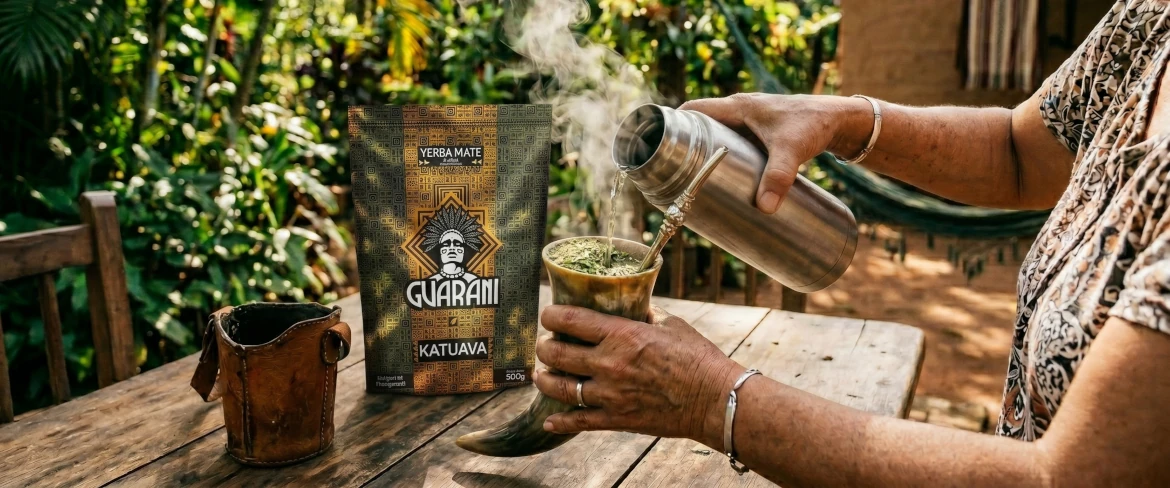
When we think of a classic South American infusion made from holly leaves, Paraguayan yerba mate is often the first thing that comes to mind. It serves as the ultimate benchmark for those seeking bold experiences. If we had to describe it in three words, they would be: smoke, structure and energy. Paraguayans do not compromise, and the blends they produce are true masterpieces for lovers of intense flavours. Let’s take a closer look at the three key characteristics that make these products impossible to ignore.
Smoky aroma and intense flavour of Paraguayan yerba mate
The first thing that hits you when opening a pack of Paraguayan mate tea is its deep, smoky aroma. This comes from the traditional processing method (which we’ll explore further in the next section), involving drying the leaves and stems over open fire and smoke. This smoky essence penetrates the plant structure, resulting in a “heavier”, earthy, woody, and sometimes even tobacco-like flavour profile.
Tea from Paraguay is known for its pronounced bitterness. You won’t find the fresh, grassy notes typical of Brazilian or mild Argentine varieties (suave). Instead, the flavour hits your palate with full force – bold, intense and long-lasting. Paraguayan mate tea blends handle multiple infusions exceptionally well, gradually releasing their character with each refill.
Coarse cut leaves and stems in Paraguayan mate tea
The second key aspect is the structure of the blend, which directly influences brewing and flavour extraction. Paraguayan mate mixtures usually contain varied particle sizes. On one hand, you’ll notice fairly large, light-coloured twig pieces – known as stems (palo). On the other, there are finely cut leaves and – most importantly – a significant amount of mate dust (polvo).
🧐 Good to know: why stems and dust? Many beginners think stems and dust are “waste” – nothing could be further from the truth! Stems act as a natural buffer in the vessel, loosening the blend and preventing the bombilla from clogging. Meanwhile, dust carries the real power and flavour. Water extracts it instantly, which is why Paraguayan yerba mate stimulates you from the very first sip!
High strength – who is Paraguayan yerba mate for?
Thanks to the high dust content and long ageing process, Paraguayan yerba mate has a very high stimulating potential. Caffeine is released quickly and intensely, delivering an immediate energy boost.
Who is Paraguay mate tea best suited for? First and foremost, experienced mate drinkers, students pulling all-nighters, professional drivers and people engaged in physical work. If you need strong stimulation without the typical “caffeine crash”, Paraguayan mate tea delivers exactly that. However, beginners should approach it with some caution – its strength and bitterness can be overwhelming at first. It’s best to start with a smaller amount of yerba mate (around 1/4 of the mate gourd) or soften the flavour with herbs or a touch of honey.
The three pillars of Paraguayan yerba mate – which one to choose?
If you want to experience the true spirit of Paraguay, your kitchen cupboard should include products from legendary producers. Here are three must-try brands – each representing a slightly different aspect of Paraguayan tradition, but all sharing exceptional quality!
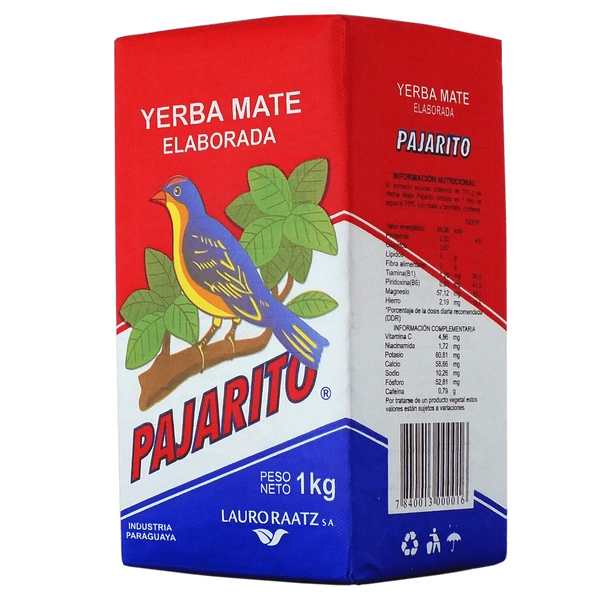
Pajarito – tradition and strength
Pajarito is a legendary brand produced by the family company Lauro Raatz since the 1950s. For many people worldwide, it defines the authentic taste of Paraguayan yerba mate.
- ✔️ Flavour profile: very intense and heavy, with dominant smoky and tobacco notes. It offers a distinct, noble bitterness.
- ✔️ Blend: classic Paraguayan composition – plenty of dust, medium-cut leaves and visible stems.
- ✔️ For whom: perfect for those seeking uncompromising strength and traditional barbacuá aroma.
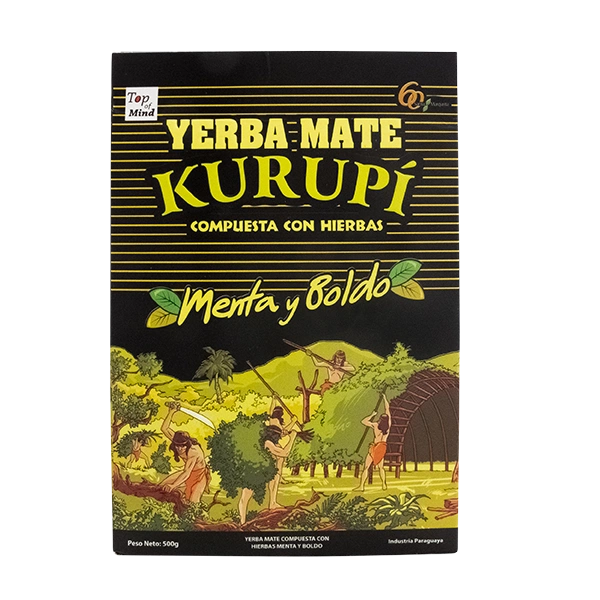
Kurupi – the king of herbs
The Kurupi brand (owned by Santa Margarita) revolutionised the market by masterfully combining yerba mate with extensive knowledge of Paraguayan medicinal herbs, known locally as Pohã Ñana.
- ✔️ Flavour profile: fresher and lighter, often dominated by mint, boldo or catuaba. The natural bitterness of mate tea is beautifully balanced by refreshing herbal notes.
- ✔️ Blend: often enriched with natural herbs. The flagship bestseller of this brand is the refreshing Kurupi Menta y Boldo.
- ✔️ For whom: the absolute number one choice for cold preparation, especially as tereré. Perfect for those who prefer refreshing, less smoky variants of mate tea from Paraguay.
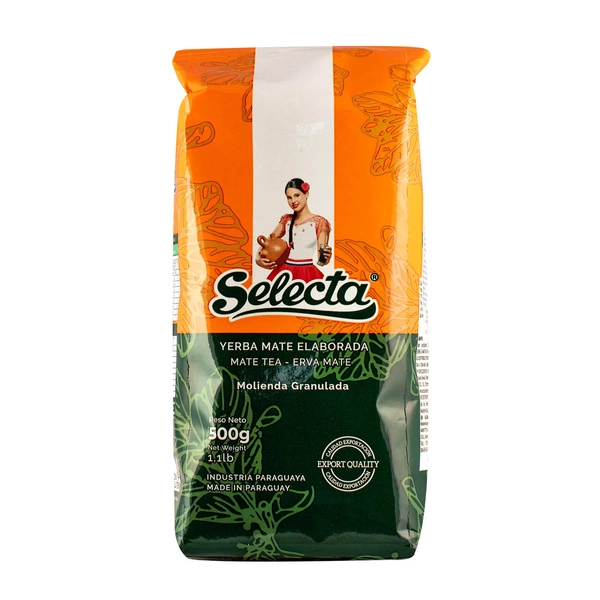
Selecta – Paraguayan elegance and energy
Produced in the fertile region of Itapúa, Selecta is a brand that focuses strongly on top-quality raw material and a highly precise ageing process.
- ✔️ Flavour profile: intense but noticeably smoother than Pajarito. You’ll find woody and herbal notes with a smoky background that does not overpower the whole infusion.
- ✔️ Blend: carefully selected, maintaining classic Paraguayan proportions of leaves, stems and dust.
- ✔️ For whom: ideal for those who want to experience the strength of mate Paraguay in a more refined and balanced form. Excellent for hot brewing.
Modern classics from Paraguay: Guarani and El Fuego
Alongside historical giants, two modern brands have recently gained huge popularity among fans of strong, smoky infusions. They combine Paraguayan tradition with bold, innovative flavour concepts.
Guarani – a tribute to tradition in a modern form
The Guarani brand (produced by EBSA, creators of Selecta) pays tribute to the indigenous people of Paraguay. It combines traditional production methods with modern aesthetics and high quality, perfectly suited to contemporary tastes. Its flavour profile is classically Paraguayan – dominated by smoky, roasted and earthy notes. This is a bold, strong Paraguayan yerba mate with a pronounced bitterness. The finely cut leaves and high dust content ensure rapid caffeine release, making it perfect for those seeking a powerful boost.
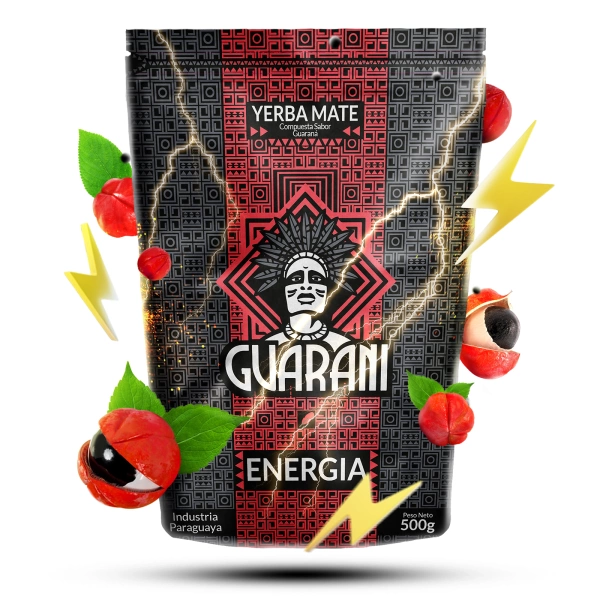
Double the energy! Classic, smoky Paraguayan mate tea enhanced with guarana. A true energy powerhouse.
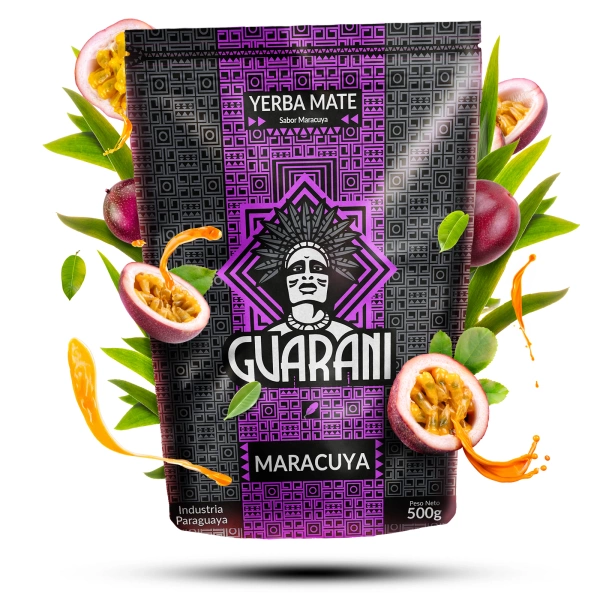
A strong, smoky base with a fruity twist. A perfect exotic variation for tereré.
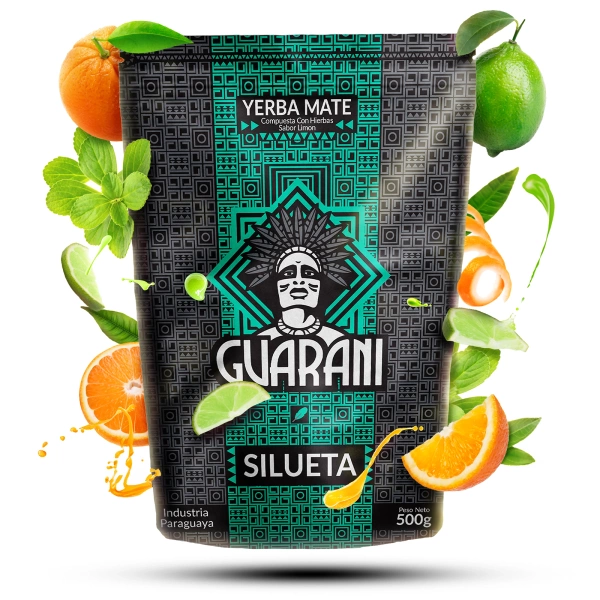
Designed for those who care about their figure. A blend with orange peel, boldo and natural lime oil.
El Fuego – fire and intensity
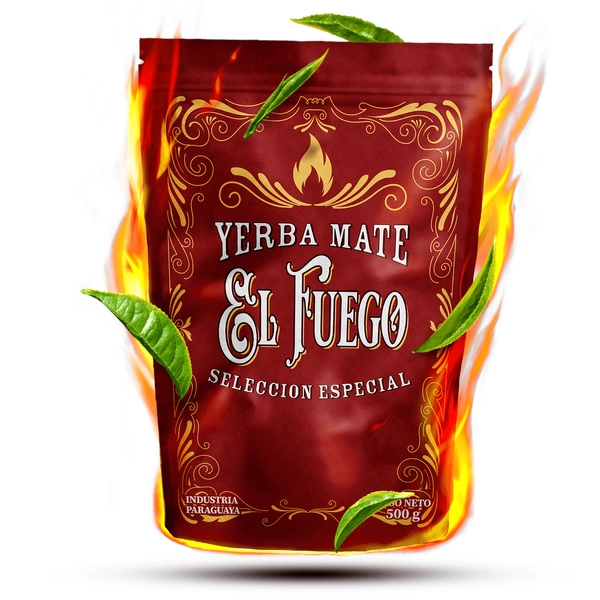
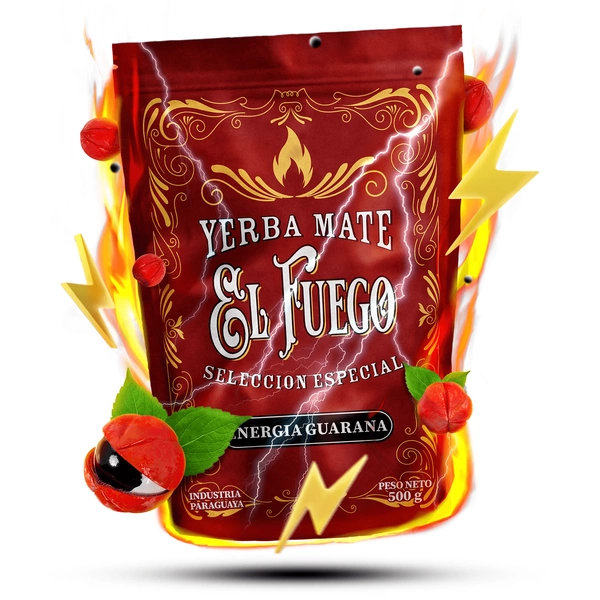
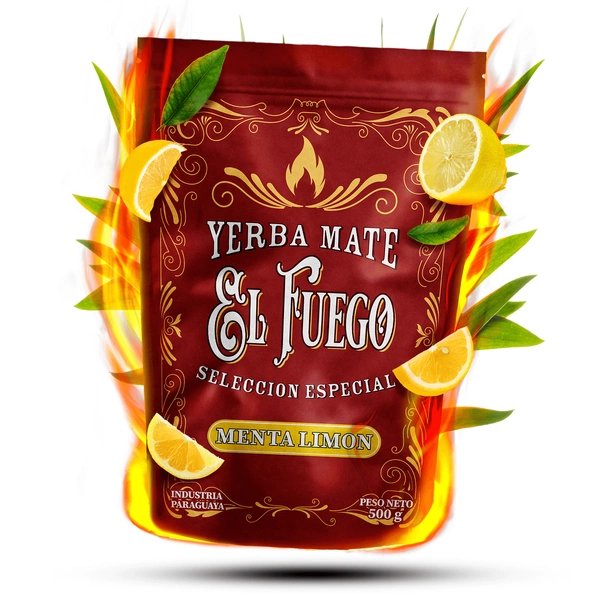
El Fuego is currently one of the strongest brands on the market, offering a completely uncompromising experience. Even the name (“fire” in Spanish) suggests intense sensations derived from traditional fire and smoke drying. Its flavour is deeply smoky, almost tar-like, and extremely persistent – even after multiple infusions, its bold character remains noticeable. This finely cut, dust-rich blend is designed for experienced yerba mate drinkers looking for maximum stimulation. Not recommended for beginners – unless you enjoy extreme flavours.
A classic for the brave – 100% yerba mate. Pure smoke, intense bitterness and unstoppable energy.
A powerful stimulating combo! In addition to yerba mate, it contains guayusa tea and guarana.
Refreshing with a kick. A solid dose of yerba mate combined with lemon, mint and aromatic herbs.
How is Paraguayan yerba mate produced?
Now that we know how Paraguayan yerba mate tastes and how powerful it is, it’s worth asking: where does this intense, uncompromising character actually come from? Fresh, green holly leaves straight from the plant do not have that deep, smoky flavour. The truth is that it is the multi-stage, artisanal processing – from harvesting, through drying, to long ageing – that determines what you ultimately taste in your mate cup.
If you’re curious about the broader context and want to explore how different types are classified based on production methods, be sure to check out our detailed guide: Types and flavours of yerba mate. For now, let’s focus on what makes tea from Paraguay so unique compared to the rest of the world.
Smoke-drying process – the barbacuá method
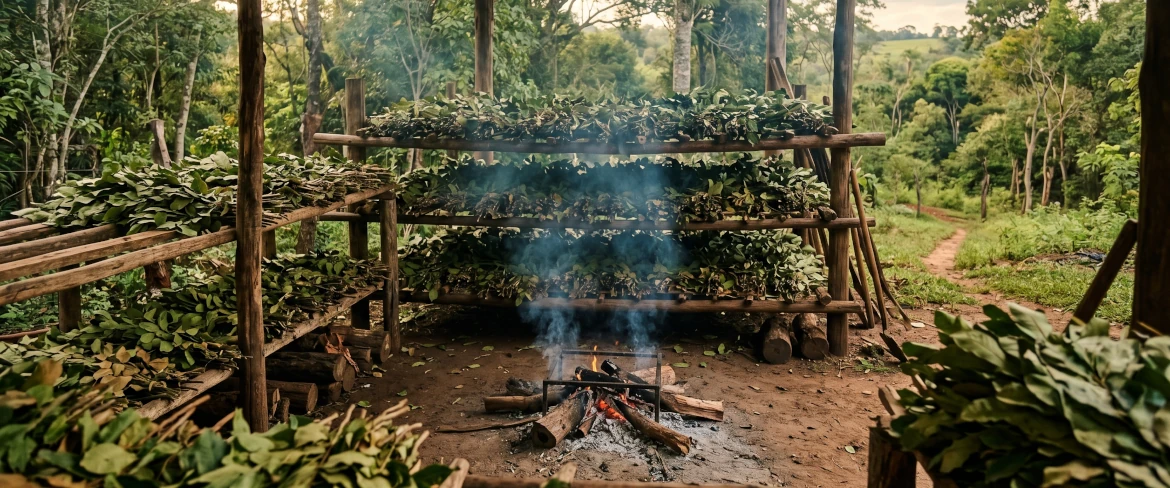
The heart of Paraguayan tradition lies in the drying method known as barbacuá. This ancient technique dates back to pre-Columbian times. After harvesting and a quick heat treatment (sapecado, which stops oxidation and preserves the green colour), the raw material is placed in special drying structures above an open fire. Heat and thick smoke from burning wood envelop the leaves for many hours.
This stage is what gives yerba mate Paraguay its signature smoky character. The smoke penetrates deeply into the plant, preserving it and creating that distinctive “campfire-like” aroma that enthusiasts love. In contrast, Argentina and Brazil increasingly use hot-air drying methods, resulting in a much milder flavour.
💡 Good to know: The word barbacuá comes from indigenous languages and refers to a wooden rack used for drying over fire. Interestingly, it is also the origin of the word barbecue!
Ageing and its impact on flavour
Drying is not the end of the journey. Freshly processed yerba mate is usually too raw, aggressive and sharp to drink immediately. That’s why Paraguayan yerba mate undergoes a resting period known as ageing or seasoning (from Spanish estacionamiento).
The dried leaves and stems are packed into large sacks and stored in well-ventilated warehouses for at least 12 months – often up to 24 months. During this time, natural processes occur: oxidation smooths the flavour, reducing harshness and creating a deeper, more refined bitterness. Smoky notes blend with the plant’s natural profile. The longer the ageing process, the more balanced and complex the final flavour becomes.
Why is Paraguayan yerba mate so intense?
The legendary strength of Paraguay mate tea is no coincidence. It results from a combination of three key factors working together:
- ✔️ fire and smoke: create a distinctive, earthy and tobacco-like flavour profile;
- ✔️ specific cut: high dust content allows rapid extraction of flavour and caffeine, while stems improve filtration and balance;
- ✔️ long ageing: integrates all elements into a smooth yet powerful taste experience.
If you’ve ever wondered why this so-called “tea from Paraguay” delivers such a strong and memorable effect – now you know. It’s craftsmanship refined over centuries.
Paraguayan yerba mate vs other countries – key differences
In earlier sections of this blog post, we have already noted that Paraguayan yerba mate stands out significantly from its South American neighbours. Each of the four main “yerba mate countries” is a completely different world, with distinct production techniques (degree of ageing, cut size, use of smoke) and, above all, completely different drinking customs.
To fully understand this phenomenon and be able to consciously choose a blend perfectly suited to your preferences, it is worth taking a slightly more comprehensive look at these differences. Below, we have prepared a practical summary that encapsulates the most important characteristics of blends from each region. Find out which country’s flavour is closest to yours!
📌 Quick comparison of yerba mate by country
| Country | Flavour profile | Structure | Drinking style |
|---|---|---|---|
| Paraguay | Intense, heavily smoked, smoky, with a deep bitterness | Finely chopped leaves, a noticeable amount of twigs and a lot of dust | Very often served ice-cold (as tereré), but also traditionally, served hot |
| Argentina | Mild, classic, with a slight grassy note and a very well-balanced bitterness | Coarsely cut leaves, a moderate amount of stems, and a fairly small amount of dust | The classic way: poured over with hot water |
| Brazil | Very fresh, crisp and grassy, with virtually no bitterness | A powder resembling bright green flour (chimarrão) or very coarse, dust-free leaves (mate green) | Hot or cold |
| Uruguay | Strong, very full-bodied, thick, with a grassy, malty aftertaste | Very finely chopped leaves, lots of dust and, importantly, a near-total absence of twigs | The classic hot version, usually enjoyed outdoors with a flask under your arm |
Looking at the list above, one important question springs to mind: for whom and on what occasions is Paraguayan yerba mate the best choice? The answer is simple. Reach for it if you need an uncompromising energy boost – for example, before a demanding workout, during a long drive, or whilst studying or doing intensive mental work. It’s also the absolute number one choice for hot summer days. Trust us, no other dried herb tastes as good when brewed with ice-cold water as a refreshing tereré!
However, if you’re just starting your adventure with yerba mate and are wary of smoky, strong flavours – take a small step back. Try a milder classic from Argentina or a lush green Brazilian mate green, and return to Paraguay in a while, when your taste buds are fully ready for these most distinctive sensations!
How to drink Paraguayan yerba mate?
Now that you have your perfect pack of smoky, intense leaves in front of you, one key question remains: how do you get the most out of it? Paraguayan yerba mate is an incredibly versatile ingredient for everyday rituals. The way you prepare it will affect not only its flavour, but also how strong and long-lasting its stimulating effect will be!
Hot or cold – tereré?
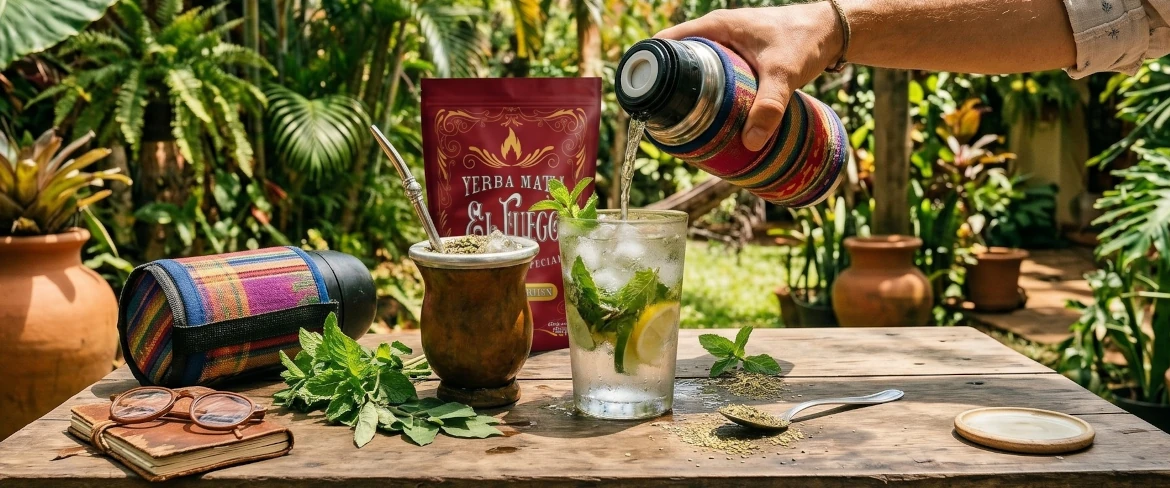
In Paraguay, where summer temperatures can easily exceed 40°C, the traditional hot infusion is usually enjoyed only early in the morning or later in the evening. During the heat of the day, however, one drink reigns supreme – tereré. Simply put, it is “tea from Paraguay” served cold – a classic yerba mate blend poured over with ice-cold water.
The word tereré in Paraguay means much more than just a drink. It represents a lifestyle, a shared moment with family, and an everyday sight on the streets of Asunción, where people carry thermoses filled with ice and fresh herbs (known as yuyos).
This tradition is so deeply rooted that the culture of drinking tereré has even been included on the UNESCO Intangible Cultural Heritage list! If you’re struggling with the heat, be sure to check out our dedicated guide: Tereré – our way to beat the heat!
When should you choose cold over hot? A hot infusion (prepared with water at around 70-80°C) is ideal when you need a quick and powerful energy boost before work or study. On the other hand, ice-cold tereré – optionally enhanced with fruit juice or slices of lemon – is perfect for a gentle, long-lasting refreshment throughout the afternoon.
How to prepare Paraguayan yerba mate?
Preparing this smoky Paraguayan yerba mate is not drastically different from brewing milder varieties, but due to its high dust content, it requires a bit more care and attention to detail. Here is a simple, practical guide to help you avoid excessive bitterness and a clogged bombilla.
- 1️⃣ Step 1 – the right amount of yerba mate: Add yerba mate to your mate gourd. If this is your first experience with mate Paraguay, start with about 1/4 of the vessel. As you get used to the bitterness, you can increase it to 1/2 or even 2/3.
- 2️⃣ Step 2 – create a “mound”: Cover the top with your hand, turn the gourd upside down and shake it a few times. Then tilt it so the yerba mate forms a slope on one side. The finest dust will move to the top, reducing the risk of clogging the bombilla.
- 3️⃣ Step 3 – pre-wetting: Pour a small amount of cool water at the bottom of the mound and wait until the leaves absorb it. This prevents thermal shock and burning.
- 4️⃣ Step 4 – insert the bombilla: Cover the mouthpiece with your thumb and gently insert it into the empty space next to the wet yerba mate leaves. From this point, avoid moving it.
- 5️⃣ Step 5 – pouring water: Add water. Remember the golden rule: never use boiling water! Use water at around 70-80°C (for hot mate tea) or ice-cold water with ice cubes (for tereré). Boiling water will result in an unpleasantly bitter brew.
That’s it! Paraguay mate tea is perfect for multiple infusions, so keep refilling until the flavour fades. If you want to master the process and learn more useful tips, check out our guide: How to brew yerba mate properly?
💡 Scientific insight: does boiling water give more strength? A common myth among beginners is that pouring boiling water over yerba mate releases the most caffeine. This is not true! Research published in 2024 in the journal Molecules shows that caffeine levels in infusions prepared at 100°C are significantly lower than those brewed at an optimal 70°C. Moreover, repeated infusions and longer contact with water gradually increase the total caffeine intake. That’s why controlling temperature is crucial – and why you should never “burn” your yerba mate with boiling water.
💬 Source: K. Najman et al., Changes in the Physicochemical and Bioactive Properties of Yerba Mate Depending on the Brewing Conditions, Molecules, 2024.
Which Paraguayan yerba mate should you choose?
Choosing the perfect yerba mate from Paraguay may seem challenging, especially when so many diverse options are available on our shop’s virtual shelves. Whether you’re aiming for maximum stimulation or a refreshing, herbal profile perfect for tereré, we’ve prepared a quick guide to help you decide what to look for before adding a product to your basket:
- ✔️ amount of stems: classic Paraguayan yerba mate is known as elaborada con palo, meaning it contains leaves, dust and noticeable twig pieces. Stems help soften the infusion and improve filtration, making it a great choice for beginners. If you’re looking for extreme strength, consider less common despalada versions (without stems), which deliver a powerful caffeine boost;
- ✔️ intensity and smokiness: if you’re just starting your journey with mate Paraguay, choose brands known for longer ageing and a more balanced profile (such as Selecta mentioned earlier). For those seeking a bold, uncompromising “fire” in their mate gourd, the best choice will be strongly smoky classics like Pajarito, Guarani or the intense El Fuego;
- ✔️ flavoured and herbal blends: Paraguay is the global capital of creative mate blends! Herbal mixtures – yerba mate compuesta – with mint, boldo or burrito not only refresh beautifully but also effectively reduce the natural bitterness of yerba mate leaves. Meanwhile, fruit blends or those enriched with guarana are the perfect base for refreshing summer tereré, a classic tea from Paraguay served cold.
Where to start? If you’re new to this world, we highly recommend starting with herbal blends – they’re more forgiving (for example, if the water is slightly too hot) and offer a refreshing taste. More experienced drinkers should go straight for pure, smoky classics to fully appreciate the craftsmanship of the barbacuá process.
The journey through the world of Paraguayan mate tea is a fascinating experience filled with deep smoky aromas, herbal freshness and powerful natural energy. Whether you’re looking for a strong boost before a demanding day or a refreshing solution for summer heat, you’ll find a perfectly tailored blend in our selection.
Do you have the courage to brew real Paraguayan fire in your mate gourd?
❓ FAQ – frequently asked questions about Paraguayan yerba mate
1. Is Paraguayan yerba mate strong?
2. How does Paraguayan yerba mate differ from Argentine mate?
3. What does yerba mate from Paraguay taste like?
4. How to brew Paraguayan yerba mate?
5. How much caffeine does Paraguayan yerba mate contain?
Sources of information:
- Wikipedia: Mate (drink).
- K. Najman et al., Changes in the Physicochemical and Bioactive Properties of Yerba Mate Depending on the Brewing Conditions, Molecules, 2024.
- Ch. Folch, Stimulating Consumption: Yerba Mate Myths, Markets, and Meanings from Conquest to Present, Comparative Studies in Society and History, 2010.
- S. Isolabella et al., Study of the bioactive compounds variation during yerba mate (Ilex paraguariensis) processing, Food Chemistry, 2010.
- C. I. Heck, E. G. de Mejia, Yerba Mate Tea (Ilex paraguariensis): a comprehensive review on chemistry, health implications, and technological considerations, Journal of Food Science, 2007.
Recommended

Kurupi Clasica 0,5kg

Pajarito Menta Limon 0,5kg

El Fuego Energia Guarana 0.5kg
