
Polyphenols and saponins in yerba mate – natural compounds supporting health and everyday balance
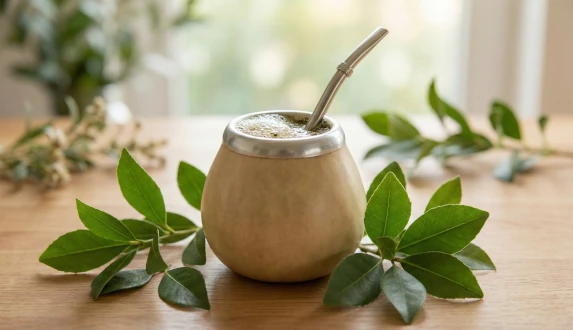
Polyphenols and saponins are natural plant compounds that are increasingly discussed in the context of a healthy diet and lifestyle. They appear in articles about antioxidants, in scientific publications, and in conversations about “superfoods”. But let us pause for a moment: polyphenols – what are they exactly, and why do they generate so much interest? And what are saponins – substances that are responsible, among other things, for the characteristic foam on the surface of yerba mate infusion and its slightly herbal taste?
Imagine the morning. You pour warm water over your favourite yerba mate, the first herbal aromas begin to rise, and a delicate foam appears on the surface of the infusion. The first sip is slightly bitter, deep, plant-like. In this seemingly simple drink lies a whole range of natural compounds that the plant produced to protect itself – and which today may also support us. It is neither magic nor a marketing slogan, but the result of the presence of bioactive ingredients such as polyphenols and saponins.
In this blog post, we will take a closer look at these bioactive plant compounds, what significance they may have in the daily diet, and how they influence the properties of popular infusions. We will also explain why yerba mate polyphenols and natural saponins contained in this drink make it stand out among other plant-based products. Calmly – without overly scientific language, but with a solid portion of knowledge based on research and a practical perspective on everyday dietary choices.
Summary:
- Polyphenols – what are polyphenols and why are they so important for the body?
- Polyphenols – where do they occur and where are they most abundant?
- Yerba mate – polyphenols as one of the key components of the infusion
- The strongest polyphenols and their potential health benefits
- What are saponins and what is their significance for health?
- Natural saponins and polyphenols in yerba mate
- How to include products rich in polyphenols in your daily diet?
Polyphenols – what are polyphenols and why are they so important for the body?
Let us start with the basics. When we type the phrase “what are polyphenols” into a search engine, we most often come across a definition stating that they are bioactive compounds of plant origin. Sounds serious? Let us explain.
Polyphenols are a large group of natural chemical substances found in plants. They perform protective functions in plants – helping them defend against UV radiation, pathogens, and environmental stress. When we consume plant products, we also benefit from their potential.
They are most commonly discussed in the context of antioxidant activity, meaning their role in supporting the body in neutralising free radicals. This is precisely why polyphenol properties are so widely described in scientific literature.
Polyphenols – what are polyphenols from a chemical and biological perspective?
If we want to answer more precisely the question: “what are polyphenols?”, we need to look at them from a chemical point of view – they are compounds containing multiple phenolic groups in their structure. In practice, this means enormous diversity.
The main groups of polyphenols include:
- flavonoids (e.g. quercetin, catechins, anthocyanins),
- phenolic acids (e.g. chlorogenic acid),
- stilbenes (e.g. resveratrol),
- lignans.
In the context of plant infusions such as green tea or yerba mate, catechins and chlorogenic acid are particularly important. They are responsible for part of the antioxidant properties of these drinks.
And what is their mechanism of action? In simple terms, polyphenols can donate electrons to free radicals, stabilising them and limiting oxidative stress. In vitro and in vivo studies have shown that a diet rich in polyphenol sources is associated with beneficial effects on cardiovascular function and glucose metabolism.
💬 Scientific source: M. Rudrapal et al., Dietary Polyphenols: Review on Chemistry/Sources, Bioavailability/Metabolism, Antioxidant Effects, and Their Role in Disease Management, Antioxidants, 2024.
💡 Worth knowing: What contains polyphenols in the highest amounts depends not only on the type of product, but also on how it is processed. Fermentation, drying or brewing temperature may influence the final polyphenol content in the infusion.
Scientific literature also emphasises that the bioavailability of polyphenols may vary significantly depending on their chemical structure, the degree of processing of the product, and interactions with the gut microbiota.
💬 Scientific source: C. Manach et al., Polyphenols: food sources and bioavailability, The American Journal of Clinical Nutrition, 2004.
Are polyphenols healthy?
The question “are polyphenols healthy?” appears very often – and rightly so. After all, the “superfood” trend has taught us to approach such claims with caution.
Current research suggests that a diet based on products rich in polyphenols may support:
- ✔️ proper cardiovascular function,
- ✔️ maintenance of oxidative balance in the body,
- ✔️ healthy lipid and glucose metabolism.
It is important to emphasise, however, that polyphenols are not a “medicine” nor a miracle ingredient acting independently of the rest of the diet. Their potential becomes apparent in the context of a balanced lifestyle and a varied diet.
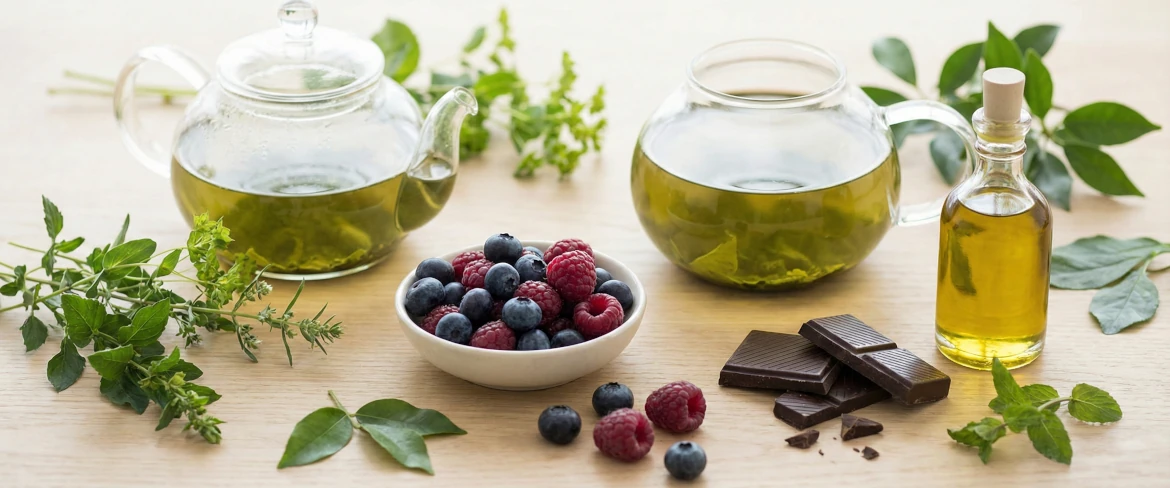
If you are wondering what contains polyphenols in everyday nutrition, the answer is simpler than it seems. They naturally occur in many plant-based foods – including berries, cocoa and dark chocolate, green tea, olive oil, nuts and infusions made from the leaves of Ilex paraguariensis, that is, yerba mate.
This, however, is only an introduction to the topic. Polyphenols – where are they most abundant? In the next section, we will take a closer look at this. We will also examine which plant infusions contain the highest levels and how yerba mate compares in terms of its bioactive compounds.
Polyphenols – where do they occur and where are they most abundant?
Now that we know what polyphenols are and how they work, another natural question arises: ”where do polyphenols occur most often?” The answer is straightforward – primarily in plant-based products. They are secondary plant metabolites, so we find them in fruits, vegetables, seeds, herbs, spices, and infusions prepared from leaves or beans.
Their content, however, is not constant. What contains polyphenols in higher amounts depends on many factors: plant variety, growing conditions, degree of ripeness, and processing method. Fermentation, drying, roasting or even brewing temperature can influence the final amount of compounds present in the finished product.
In practice, where polyphenols are most abundant, they often have the greatest impact on flavour, colour and the properties of the infusion or food product. The bitterness of cocoa, the astringency of red wine or the herbal character of yerba mate are largely due to these compounds.
👉 If you would like to explore the antioxidant activity of infusions in more detail, take a look at our article: Antioxidants in yerba mate. What are they and how do they affect your health? There you will find more information on how these compounds function in practice.
Products rich in polyphenols
There is no shortage of foods in the daily diet that naturally provide these bioactive compounds. Products rich in polyphenols include primarily plant ingredients with intense colour, distinctive flavour and a high content of phenolic compounds.
🌿 Polyphenol sources in the daily diet:
- 🍇 berries – blueberries, raspberries, blackberries, chokeberries (particularly rich in anthocyanins),
- 🍫 cocoa and dark chocolate – rich in flavonoids,
- 🍵 green tea – contains catechins, including EGCG,
- ☕ coffee – a source of phenolic acids,
- 🧴 olive oil – contains hydroxytyrosol and other phenolic compounds,
- 🥜 nuts – provide flavonoids and phenolic acids,
- 🧉 yerba mate – contains chlorogenic acid and other phenolic compounds.
Polyphenols – where are they most abundant in practice? The highest concentrations are often found in intensely coloured fruits (especially berries), raw cocoa and high-quality plant infusions. It is worth remembering, however, that not only a single large dose matters, but also regular consumption and variety of polyphenol sources.
In this way, the daily diet can naturally provide a broad spectrum of polyphenols – without the need to reach for exotic products. Sometimes a cup of green tea, a piece of good-quality dark chocolate or a morning yerba mate is enough.
Yerba mate – polyphenols as one of the key components of the infusion
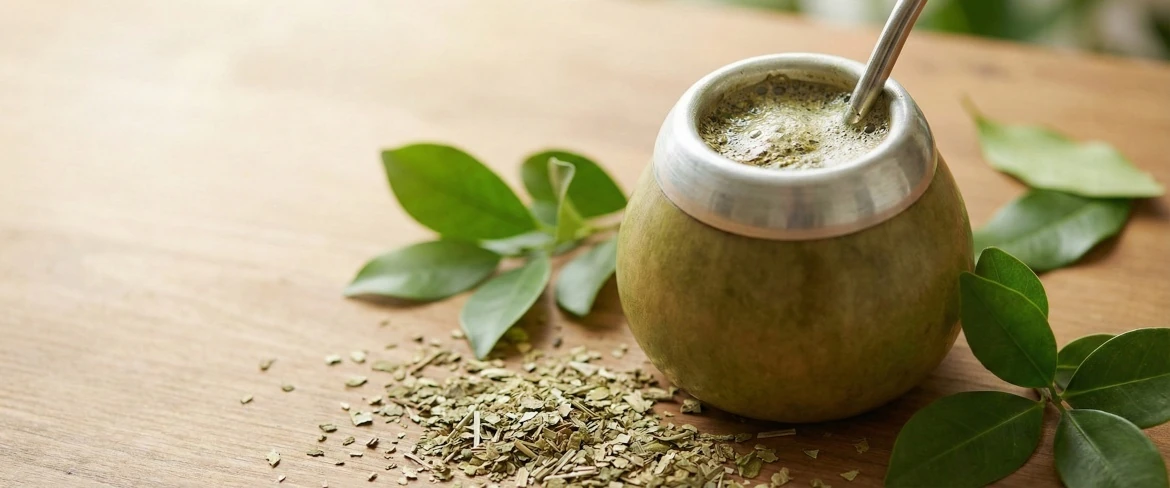
Among plant-based beverages, it is precisely yerba mate – due to its potential as a solid source of polyphenols – that attracts particular interest from researchers. The leaves of Ilex paraguariensis are naturally rich in phenolic compounds, which are largely responsible for the characteristic taste of the infusion and its antioxidant potential.
The most important polyphenols present in yerba mate include primarily phenolic acids, including chlorogenic acid and its derivatives, as well as various flavonoids. Chlorogenic acid is one of the dominant phenolic compounds in the infusion and is also found in coffee, although its proportions may vary depending on the raw material and the method of preparation.
🧉 Key polyphenols in yerba mate
| Group of compounds | Examples in yerba mate | Significance |
|---|---|---|
| Phenolic acids | caffeoylquinic acids (including chlorogenic acid – CQA) | dominant polyphenols in the infusion |
| Flavonoids | quercetin, rutin, kaempferol | compounds with antioxidant properties |
| Derivatives of caffeic acid | di‑ and tri‑caffeoylquinic acids | influence flavour profile and biological activity |
Research indicates that the polyphenol content in yerba mate may be comparable to, and in some analyses even higher than, that of green tea. Importantly, the amount of these compounds depends on the brewing method – water temperature, extraction time and the amount of leaves used. The longer the contact with water, the more phenolic compounds may pass into the infusion.
💬 Scientific sources:
- A. C. de Vasconcellos et al., Phenolic Compounds Present in Yerba Mate Potentially Increase Human Health: A Critical Review, Plant Foods for Human Nutrition, 2022.
- D. H. Bastos et al., Phenolic Antioxidants Identified by ESI-MS from Yerba Maté (Ilex paraguariensis) and Green Tea (Camelia sinensis) Extracts, Molecules, 2007.
Compared with other popular plant-based beverages:
- ✔️ green tea is known for its high catechin content (including EGCG),
- ✔️ coffee provides mainly chlorogenic acids,
- ✔️ yerba mate combines phenolic acids, flavonoids and additional bioactive compounds such as saponins and xanthines.
This combination is precisely what makes yerba mate stand out among other infusions. It is not merely a source of one dominant polyphenol – it offers a broader spectrum of phenolic compounds that together shape its chemical and sensory profile.
In practical terms, by reaching for a cup of yerba mate, we supply the body not only with caffeine but also with a diverse pool of polyphenols naturally present in the leaves. This is one of the reasons why yerba mate polyphenols are the subject of numerous scientific analyses. Among them are compounds considered to be some of the strongest polyphenols found in plant-based infusions.
The strongest polyphenols and their potential health benefits
In the world of plant compounds, a common question arises: which are considered the strongest polyphenols? The answer is not straightforward, as their activity depends on chemical structure, bioavailability and dietary context. Scientific literature most frequently mentions compounds such as resveratrol, quercetin and EGCG (epigallocatechin gallate).
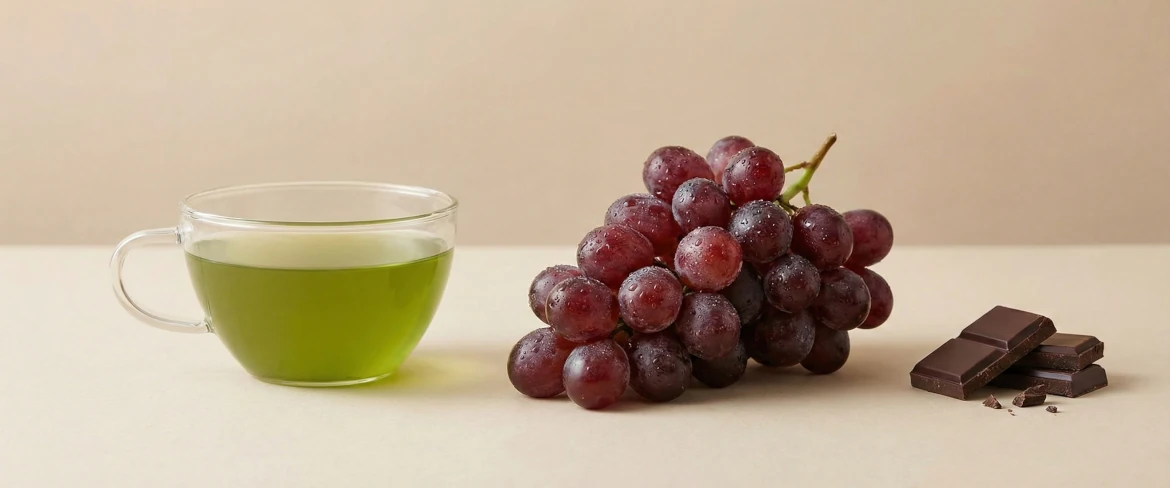
Resveratrol, present for example in grapes and red wine, belongs to the stilbene group. Experimental studies suggest its potential influence on mechanisms related to oxidative stress and inflammatory processes. Quercetin, a flavonoid found in onions, apples and berries, is analysed in the context of supporting cardiovascular function and metabolic balance.
One of the best-studied polyphenols is EGCG, characteristic of green tea. It largely accounts for the high antioxidant activity of this beverage. In in vitro studies, it shows a strong ability to neutralise free radicals, while clinical models analyse its potential impact on lipid and glucose metabolism.
In the context of plant infusions, it is worth noting that where polyphenols are most abundant, higher overall antioxidant activity of the beverage is often observed. Green tea stands out for its high catechin content, coffee for chlorogenic acids, whereas yerba mate combines various groups of phenolic compounds, including caffeoylquinic acids and flavonoids.
Although yerba mate does not contain resveratrol or EGCG in the same quantities as some other products, its strength lies in its diversity. Instead of one dominant compound, it offers a broad spectrum of polyphenols that may act complementarily. This complexity is what makes the infusion of Ilex paraguariensis regularly analysed in the context of supporting cardiovascular health and lipid metabolism.
👉 If you are interested in exploring in more detail how yerba mate may influence cholesterol levels and blood pressure, read our article: Is yerba mate healthy? How does it affect cholesterol and blood pressure? There you will find an overview of research on its potential effects in practice.
It is important to remember, however, that even the strongest polyphenols do not act in isolation. Their effects depend on the overall diet, lifestyle and individual factors. From the perspective of everyday nutrition, more important than a single “super compound” is the regular inclusion of various products rich in polyphenols – including fruits, cocoa, green tea and yerba mate.
📌 In brief – the strongest polyphenols and their significance:
- resveratrol, quercetin and EGCG are among the best-studied and most frequently cited as the strongest polyphenols;
- their potential effects are mainly associated with antioxidant activity and support of metabolism and cardiovascular function;
- different plant-based beverages provide different groups of polyphenols – green tea catechins, coffee chlorogenic acids, and yerba mate a broad spectrum of phenolic compounds;
- in practice, regular consumption of products rich in polyphenols is more important than focusing on a single “super compound”.
Alongside polyphenols, yerba mate contains another important group of bioactive compounds – saponins. They are responsible, among other things, for the characteristic delicate foam appearing on the surface of the infusion. What are saponins exactly, what role do they play in plants, and what significance might they have in the daily diet? Let us take a closer look.
What are saponins and what is their significance for health?
What are saponins exactly? They are another group of natural bioactive compounds found in plants alongside polyphenols, yet chemically they differ significantly. They belong to the group of glycosides – their molecule consists of a sugar part and a so-called aglycone (sapogenin), which may have a steroidal or triterpenoid structure.
Unlike polyphenols, which are mainly associated with antioxidant activity, saponins are characterised primarily by their ability to form foam when in contact with water and by their slightly bitter taste. This surface-active property is what causes infusions – including yerba mate – to develop a delicate, natural foam.
💬 Scientific source: Y. P. Timilsena et al., Perspectives on Saponins: Food Functionality and Applications, International Journal of Molecular Sciences, 2023.
The authors describe the amphiphilic structure of saponins, their foaming properties and their potential significance in food and human health.
Although their chemical structure differs from that of phenolic compounds, saponins – like polyphenols – serve a protective function in plants. They form part of the natural barrier against pests, microorganisms and adverse environmental conditions. From a human perspective, they represent another group of bioactive constituents present in a plant-based diet.
Natural saponins in plants – where do they occur?
Natural saponins occur in many edible and medicinal plants. They are most commonly found in:
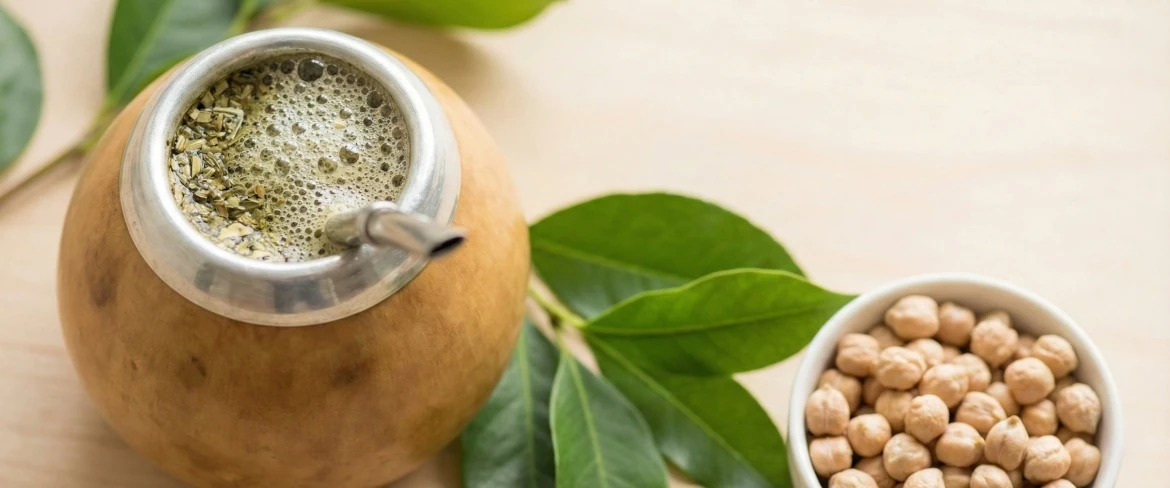
- legumes – such as soybeans, chickpeas and beans,
- ginseng – where they contribute to some of its adaptogenic properties,
- quinoa – whose grains are often rinsed before cooking to remove excess saponins,
- yerba mate – which contains triterpenoid saponins present in the leaves of Ilex paraguariensis.
Thanks to their structure, saponins are able to reduce the surface tension of water – hence the characteristic foam appearing on the surface of the infusion. In the case of yerba mate, this is a natural effect of the presence of these compounds rather than a sign of artificial additives.
Saponins – properties and action
Scientific literature describes saponin properties in the context of their potential influence on lipid metabolism, immune function and anti-inflammatory activity. Experimental studies suggest that some saponins may bind cholesterol in the digestive tract, which is analysed in terms of supporting a healthy lipid profile.
When it comes to saponins and their action, attention is also drawn to their possible immunomodulatory effects – which is why some of them are studied as vaccine adjuvants. It should be emphasised, however, that the effects depend on the specific type of saponin, the dose and the overall dietary context.
In plants, saponins primarily serve a protective role – deterring insects and microorganisms, thereby protecting leaves and seeds. In infusions such as yerba mate, they complement polyphenols, together forming a rich and complex bioactive profile.
Natural saponins and polyphenols in yerba mate
In the previous sections, we looked separately at polyphenols and saponins. In yerba mate, these two worlds meet in a single infusion. The leaves of Ilex paraguariensis are a source of both phenolic compounds and triterpenoid saponins, making this beverage exceptionally complex in terms of bioactive composition.
Polyphenols are primarily responsible for antioxidant activity and the characteristic slightly astringent note in flavour. Saponins, on the other hand, influence the structure of the infusion – its delicate foam, distinctive bitterness and surface-active properties. Although they belong to different chemical groups, in yerba mate they co-occur naturally, creating a coherent plant profile.
A serving of yerba mate does not provide a single “trendy” ingredient but rather a complex of bioactive substances that in the plant served a protective function and in the human diet may form part of a diverse, plant-based nutritional pattern. It is precisely this multi-component nature that makes yerba mate analysed not only for its caffeine content but also for its polyphenols and saponins.
Yerba mate – polyphenols and saponins as a bioactive duo
Considered separately, polyphenol properties are most often associated with antioxidant effects and support of oxidative balance in the body. Saponins, in turn, are studied for their action in the area of lipid metabolism and modulation of immune responses – at least at the experimental level. In yerba mate, these two groups of compounds occur simultaneously, allowing the infusion to be viewed in a more holistic way.
Rather than focusing on a single “strongest” compound, it is worth recognising that the co-occurrence of different classes of substances may be significant. Polyphenols and saponins do not compete with each other – they fulfil different chemical and biological roles, and their presence in one product increases its overall complexity.
🧉 Why is the combination of polyphenols and saponins in yerba mate unique?
- Polyphenols are mainly responsible for antioxidant activity and the flavour profile of the infusion.
- Saponins give it delicate foam, characteristic bitterness and a distinct biological mechanism of action.
- Both groups of compounds naturally co-occur in the leaves of Ilex paraguariensis.
- Their presence means that yerba mate is not only a source of caffeine but also a multi-component plant infusion.
Compared with other plant-based beverages, yerba mate stands out precisely because of this profile: green tea is mainly known for its high catechin content, coffee for chlorogenic acids, whereas yerba mate combines both phenolic compounds and natural saponins. This allows it to be perceived as an infusion with a multidimensional character – both sensory and biological.
In everyday nutrition, this means one thing: by reaching for yerba mate, we provide the body not only with caffeine but also with various plant compounds that complement each other. This perspective – focused on synergy rather than a single ingredient – is increasingly present in modern approaches to plant-based nutrition.
How to include products rich in polyphenols in your daily diet?
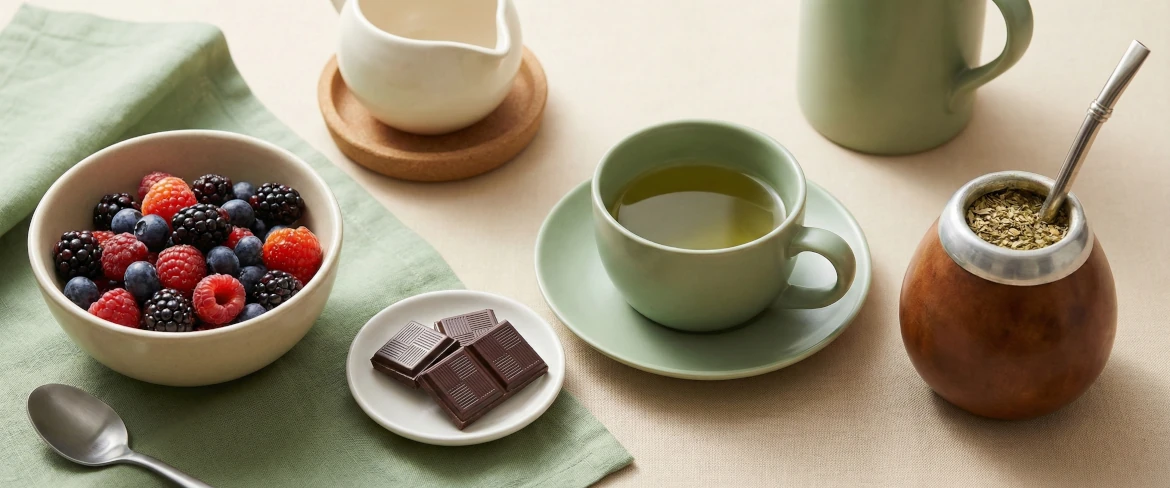
Contrary to appearances, increasing polyphenol sources in your daily diet does not require a revolution. A few simple habits are enough: adding berries to breakfast, choosing dark chocolate with a high cocoa content, including more vegetables, and replacing sugary drinks with plant infusions.
Regularly drinking green tea or coffee in moderation can also be a good solution. However, if you are looking for an alternative that combines different bioactive compounds, yerba mate offers a convenient and natural option. In one serving of the infusion, you will find both polyphenols and natural saponins, which – as research suggests – may complement each other.
The most important factor, however, is a holistic approach. Rather than focusing on a single product, it is worth building a varied plant-based diet in which products rich in polyphenols appear regularly. It is daily choices, repeated consistently, that matter most.
Polyphenols and saponins are not a passing trend but a natural element of the plant world that we can consciously incorporate into our lifestyle. Yerba mate is one example of a beverage that brings these two themes together in a single cup – offering both distinctive flavour and a wealth of bioactive compounds.
Reach for a serving of yerba mate and discover how natural plant compounds can become part of your everyday balance.
❓ FAQ – questions about polyphenols and saponins
1. What are polyphenols?
2. Polyphenols – where do they occur most often?
3. What contains polyphenols in the highest amounts?
4. Are polyphenols healthy?
5. Saponin – what is it?
6. What are the properties of saponins?
7. Does yerba mate contain polyphenols and saponins?
Sources of information:
- Wikipedia: Polyphenol, Saponin.
- M. Rudrapal et al., Dietary Polyphenols: Review on Chemistry/Sources, Bioavailability/Metabolism, Antioxidant Effects, and Their Role in Disease Management, Antioxidants, 2024.
- Y. P. Timilsena et al., Perspectives on Saponins: Food Functionality and Applications, International Journal of Molecular Sciences, 2023.
- A. C. de Vasconcellos et al., Phenolic Compounds Present in Yerba Mate Potentially Increase Human Health: A Critical Review, Plant Foods for Human Nutrition, 2022.
- D. H. Bastos et al., Phenolic Antioxidants Identified by ESI-MS from Yerba Maté (Ilex paraguariensis) and Green Tea (Camelia sinensis) Extracts, Molecules, 2007.
- C. Manach et al., Polyphenols: food sources and bioavailability, The American Journal of Clinical Nutrition, 2004.
Recommended

Soul Mate Orgánica Elaborada 0.5kg (organic)

Soul Mate Orgánica Guayusa 0.5kg (organic)

Verde Mate Green Organica Menta Limon 0.4kg
