
Tea around the world: how do Chinese, Japanese and Indian tea differ?
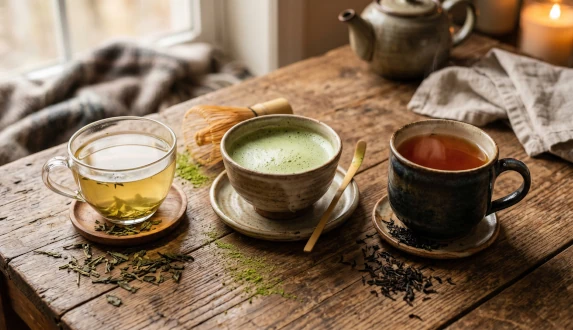
For many of us, a cup of hot tea is an essential part of the day. Although brewing tea may seem wonderfully simple, the world of tea offers an extraordinary variety of flavours, aromas and centuries-old traditions. China, Japan and India are undoubtedly three of the world’s most important tea-producing regions. Are you wondering exactly how Chinese tea, Japanese tea and Indian tea differ?
In our shop, you will find plenty of options in the “Tea” category. It is perfectly understandable if you feel slightly overwhelmed by the many unfamiliar names and colours. In this article, we will take you on a fascinating journey through some of the world’s most important tea regions. You will learn how tea is produced in each country, where its distinctive flavour profiles come from and how history has shaped tea-drinking culture across Asia. We will also suggest which infusions may best suit your preferences.
Table of contents:
- Types of tea: the foundations of tea knowledge
- Chinese tea – the birthplace of tea traditions and an endless variety of flavours
- Japanese tea – a world of green, attention to detail and distinctive umami
- Indian tea – the queen of black teas, a bold character and deep aroma
- Chinese tea vs Japanese tea vs Indian tea – the key differences
- The properties of tea – which tea is the healthiest?
- Which tea should you choose? A practical guide
Types of tea: the foundations of tea knowledge
In Eastern cultures, drinking tea is much more than simply a way to quench your thirst. It is a ritual and a philosophy that encourages mindfulness and appreciation of detail. A well-known quotation captures this idea beautifully:
“Teaism is the art of concealing beauty that you may discover it for yourself.” – Okakura Kakuzō, The Book of Tea
This “hidden beauty” can be found not only in the remarkable aroma of the finished infusion, but also in its history, unique place of origin and the painstaking work of the craftspeople who shape the final character of the leaves. To fully understand and appreciate what is in our cup, let us begin with the basics.
Before we travel through specific countries and growing regions, we need to answer an important question that many people new to tea ask. Where do all the types of tea found on shop shelves actually come from? What makes delicate, light Chinese tea different from the dark, robust and invigorating classic associated with India?
Where does tea come from, and why do all types come from the same plant?
Many people are surprised to learn that whether your cup contains delicate Chinese green tea, grassy Japanese tea or robust Indian black tea, each one comes from exactly the same plant. It is known as Camellia sinensis, or the tea plant, and its leaves provide the basis for every true tea infusion. Fruit blends, herbal infusions and our much-loved yerba mate may commonly be called “teas”, but botanically speaking they are not true teas, as they come from entirely different plants.
🧐 Botanical fact: where does the name Camellia sinensis come from? The species epithet sinensis is simply the Latin word for “Chinese”, immediately pointing to the plant’s original association with China. The first part of the name, Camellia, comes from a surname. The Swedish naturalist Carl Linnaeus chose it to honour the botanist and missionary Georg Kamel. Interestingly, Linnaeus originally described the plant in 1753 as Thea sinensis, but by the end of the nineteenth century it had been placed in the camellia genus. Whatever the botanical and Latin complexities, the result in the cup has remained equally captivating for centuries.
The character of the tea that eventually reaches our cups is shaped not by botanical differences, but by a unique combination of factors. The first is terroir – the specific environment in which the tea bush grows, including the soil, sunlight, altitude and air humidity. Other factors include cultivation methods and, finally, the traditional processing of the leaves after harvesting. The fresh leaves of Camellia sinensis naturally contain a range of antioxidants, as widely discussed in scientific literature.
💬 Scientific source: H.-S.-A. Huda et al., Exploring the ancient roots and modern global brews of tea and herbal beverages: A comprehensive review of origins, types, health benefits, market dynamics, and future trends, Food Science & Nutrition, 2024.
According to this comprehensive publication, the leaves of Camellia sinensis are naturally rich in phenolic compounds, including catechins. The authors emphasise that the degree of fermentation and enzymatic oxidation during production determines the final chemical profile and properties of the infusion. Less processed varieties, such as green tea, do not undergo oxidation and therefore retain more of their original polyphenols.
The main types of tea: green, black, white, oolong and pu-erh
If the raw material is the same, how do we obtain such different colours and flavours? The key lies in the oxidation process and the heat treatment applied to the leaves. These are some of the most popular varieties available in our shop:
- 🍵 green tea – the leaves do not undergo oxidation. Soon after harvesting, they are quickly treated with heat to stop the process. As a result, the infusion retains a light colour, a fresh profile and many antioxidants. Classic Japanese teas are a good example,
- ☕ black tea – the leaves are rolled and fully oxidised. Their colour changes from green to dark brown, while the flavour becomes deep, robust and invigorating. Indian black tea, such as Assam, is one of the best-known examples,
- 🍃 white tea – one of the least processed varieties. Only the youngest buds, still covered with a delicate down, are harvested. The leaves are simply withered and dried, producing an exceptionally subtle, floral infusion,
- ☘️ oolong – a partially oxidised tea that sits between green and black tea. The degree of oxidation can range from a few to several dozen per cent, creating highly complex flavour notes,
- 🍂 pu-erh – a unique category of aged teas that undergo microbial fermentation. Like fine wine, it can develop greater depth and complexity over time.
How does processing affect the flavour and properties of tea?
To fully understand the differences between teas from various regions, we need to look at three key traditional processing techniques. These methods help explain why, for example, Japanese green tea tastes so different from its Chinese counterpart.
- Oxidation (India and black tea production) – the leaves are rolled and gently crushed to damage their cellular structure. The juices released in this way are exposed to oxygen, much like a cut apple gradually turns brown. The process transforms some catechins into theaflavins and thearubigins, compounds associated with the dark colour and distinctive, slightly tannic flavour of black tea.
- Pan-firing (China) – a traditional dry-heating method used to stop oxidation. Fresh leaves are placed in heated woks, where a tea maker tosses and presses them with quick hand movements. This treatment “seals” the leaves and gives Chinese green tea characteristic lightly roasted, nutty or smoky notes.
- Steaming (Japan) – Japanese tea producers use hot steam to stop oxidation. The process usually takes from several seconds to around a minute. As a result, the leaves retain their deep green colour and a high proportion of chlorophyll. Japanese tea develops its characteristic fresh, grassy and marine profile, together with its distinctive umami taste.
💡 Good to know – the science behind tea aroma: Research published in 2022 identified the volatile compounds responsible for differences in tea aroma. The researchers found that Chinese pan-firing increases the presence of compounds such as geraniol and linalool, which are associated with floral and sweet notes. Japanese steaming, on the other hand, encourages a different profile of compounds, including nonanal, which contributes to the fresh and grassy character often associated with steamed green tea. It is chemistry that brings complexity to every cup.
💬 Scientific source: Y. Shi et al., Characterisation of the volatile compounds profile of Chinese pan-fried green tea in comparison with baked green tea, steamed green tea, and sun-dried green tea using approaches of molecular sensory science, Current Research in Food Science, 2022.
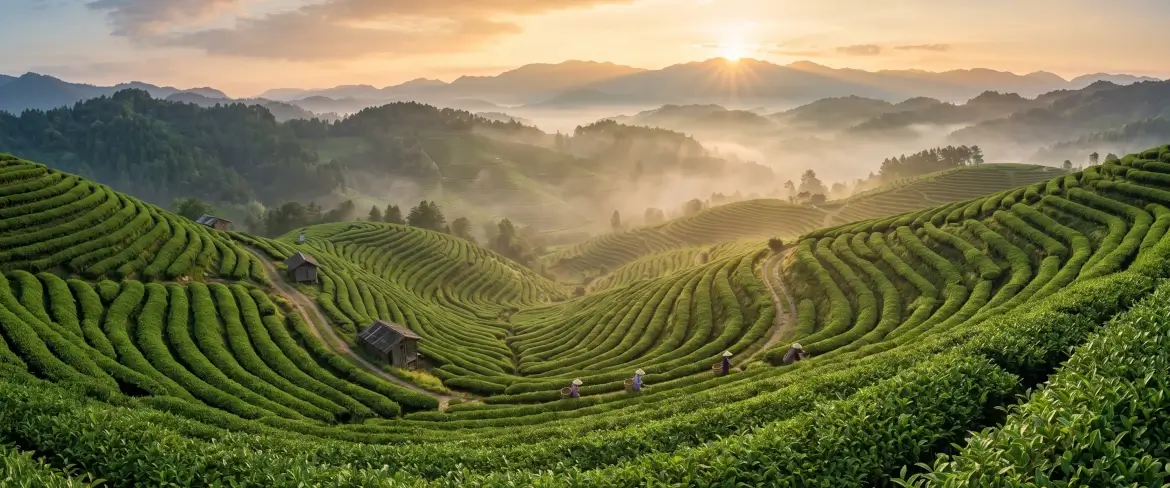
Chinese tea – the birthplace of tea traditions and an endless variety of flavours
China is undoubtedly the historical and spiritual home of tea. According to legend, Emperor Shennong discovered its qualities by chance around 2700 BC, when several leaves from a nearby bush fell into a pot of boiling water. Thousands of years have passed since then, and Chinese tea has evolved from a bitter herbal remedy into one of the world’s most cherished beverages, inspiring a rich culture of tea appreciation and ceremonies such as Gongfu Cha.
What makes Chinese tea distinctive?
The first thing that stands out when discovering teas from the Middle Kingdom is their unparalleled diversity. Chinese tea does not represent one particular flavour, but thousands of unique profiles – from fresh, floral and exceptionally delicate infusions, through fruity oolongs, to rich, earthy and full-bodied aged teas. Chinese tea masters have perfected the art of traditional processing, drawing on techniques passed down from one generation to the next.
How is Chinese tea made?
Most Chinese teas, particularly green teas, are processed at high temperatures in traditional deep woks using the pan-fired method. Freshly harvested leaves are placed on the heated metal surface, where the tea maker tosses and presses them with quick, skilful movements. This process effectively deactivates the enzymes responsible for oxidation while also shaping the leaves and, most importantly, giving them a distinctive flavour. Pan-firing adds a pleasant sweetness to the infusion, together with notes often described as floral, roasted or lightly nutty.
Flavour and aroma – why is Chinese tea so diverse?
The remarkable range of flavours found in Chinese teas is largely the result of the country’s varied terroir. China covers a vast area with highly diverse climates. It is home to misty, high-altitude tea gardens in Yunnan, humid landscapes in Fujian and subtropical areas in Zhejiang. Each province cultivates different tea cultivars, while local soil and weather conditions leave their own natural signature on the leaves. Add hundreds of regional techniques for withering, shaping and pan-firing, and you have an almost limitless palette of tea experiences.
The most popular Chinese teas
It would be difficult to count every variety, but several representatives have become true international favourites. One of the best-known classics is Longjing, or Dragon Well – probably the world’s most famous Chinese green tea, recognised by its flat leaves and fresh, chestnut-like flavour. It is also worth mentioning pu-erh teas from Yunnan, which develop a deep, earthy and woody character as they mature and are highly valued by tea connoisseurs. You can learn more about why they are worth exploring in our article: “Pu-erh tea – the secret to longevity, flavour, and a slim figure?”. We should also mention outstanding oolongs such as the floral Tieguanyin, or Iron Goddess of Mercy, which combines the freshness of green tea with the complexity of black tea.
If you would like to begin exploring classic Chinese flavours in an excellent loose-leaf format, we recommend the Mary Rose teas available in our shop. They come from the renowned Yunnan province, known for producing some of the world’s finest teas.
A classic Chinese green tea at its finest. It has a delicate, fresh flavour and produces a beautiful, light-coloured infusion. An excellent choice for a gentle, invigorating everyday drink.

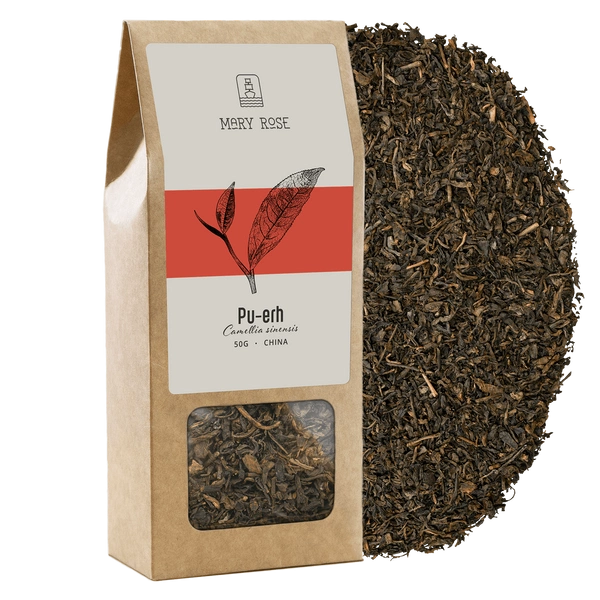
A deep, earthy and full-bodied aged tea. An excellent choice for anyone who enjoys stronger, more pronounced and dry flavour notes.
A robust, aromatic black tea from Yunnan, with a rich, slightly sweet and malty profile. It is an excellent choice for the morning and can also be enjoyed with milk.

Japanese tea – a world of green, attention to detail and distinctive umami
As Chinese tea began to spread around the world, neighbouring Japan developed its own highly distinctive approach. The first seeds of Camellia sinensis are believed to have reached Japan around 800 AD, brought by Buddhist monks. Today, Japan is known for combining meticulous precision and technological expertise with a deep respect for tradition. Interestingly, Japanese tea production focuses almost entirely on one type of infusion – around 99% of the country’s tea market consists of Japanese green tea.
What makes Japanese tea distinctive?
If you have ever tried authentic tea from Japan, you may have noticed that it differs considerably from its Chinese counterpart. It is known above all for its cloudy, full-bodied infusion and intense, almost neon-green colour. However, it is the flavour that often surprises newcomers most. Japanese tea is closely associated with umami – the intriguing fifth taste, often described as savoury, rich and sometimes slightly salty. Combined with notes of sea air, freshly cut grass and seaweed, this creates a profile that is difficult to mistake for any other type of tea.
What is steaming, and how does it affect the flavour?
The distinctive flavour and colour of Japanese infusions are largely shaped by the way oxidation is stopped. Instead of using the hot woks traditionally associated with Chinese tea, Japanese producers use steaming with hot water vapour. This is a very brief process, usually lasting from just 15 to around 60 seconds. It is enough to quickly deactivate the enzymes responsible for oxidation. Steam treatment helps the leaves retain their chlorophyll, giving the infusion its striking emerald colour, as well as a considerable amount of amino acids, including L-theanine, which contributes to the characteristic umami taste. Steaming also makes the leaves more supple, allowing them to be rolled later into their characteristic fine needle-like shape.
The most popular Japanese teas
Although Japan produces almost exclusively green tea, the variety of Japanese infusions is considerable. This is influenced not only by the duration of steaming, but also by cultivation methods, including the distinctive practice of shading the tea bushes before harvesting. Here are some of the essential classics to know:
- ✔️ sencha – the most popular Japanese tea, accounting for the majority of the country’s production. The bushes are grown in full sunlight. Sencha produces a fresh, grassy infusion with a well-balanced combination of sweetness and gentle, pleasant bitterness. It is an excellent everyday choice,
- ✔️ gyokuro – a luxurious tea known as “Jade Dew”. Around 20-30 days before harvesting, the bushes are covered with special mats that reduce their exposure to sunlight. In response to the lower light levels, the plant produces greater amounts of chlorophyll and amino acids. The result is an exceptionally sweet, rich infusion with an intense umami character,
- ✔️ matcha – powdered Japanese green tea, traditionally used in the Chanoyu tea ceremony and now enjoyed around the world, including in matcha latte. It is made from shaded leaves from which the stems and veins have been removed. The remaining leaf material, known as tencha, is ground into a fine powder using traditional granite millstones. When drinking matcha, you consume the whole tea leaf, including its naturally occurring antioxidants.
Would you like to take a culinary or ceremonial journey to Japan through tea? We have selected several excellent products from our range to help you discover this fresh and distinctive flavour profile:
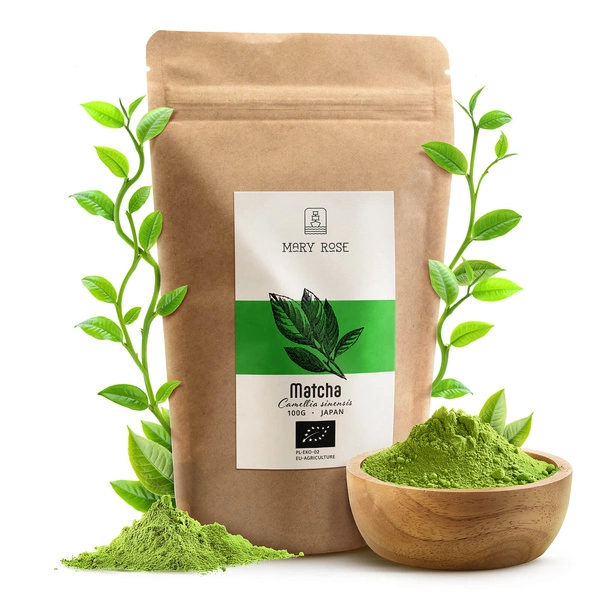
Authentic matcha from Kagoshima Prefecture in Japan. This culinary-grade version has a slightly stronger and more astringent flavour, making it an excellent choice for baking, smoothies and a delicious matcha latte.
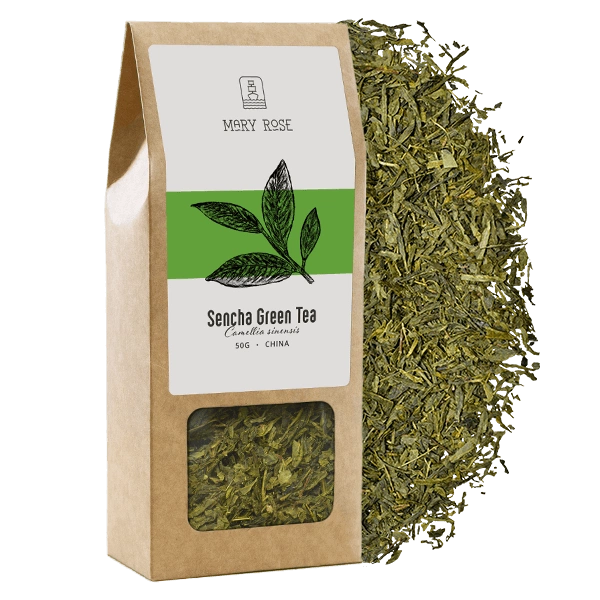
Although sencha is originally a Japanese tea, its production style has been adopted in other countries around the world. This product from our range comes from Chinese tea plantations, offering an excellent, affordable and enjoyable way to discover sencha’s grassy flavour profile.
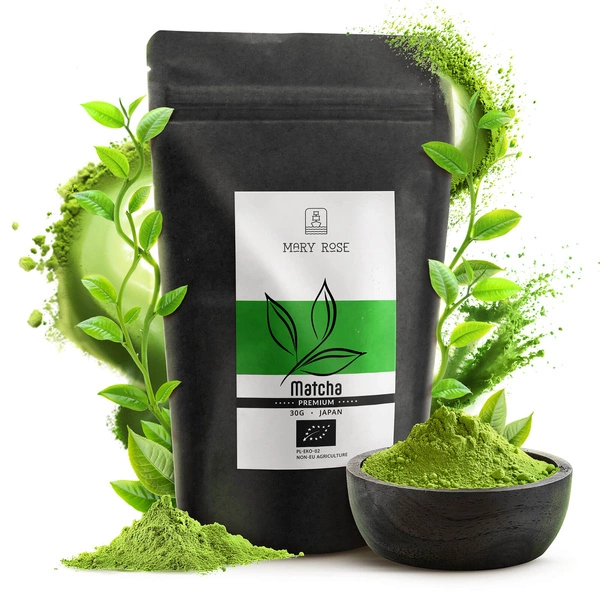
High-quality organic matcha from Japan, made from early spring harvests. It stands out with its vivid emerald colour, silky texture and subtle, sweet umami flavour.
Indian tea – the queen of black teas, a bold character and deep aroma
Leaving East Asia behind, we now travel to the Indian subcontinent. Although large-scale tea cultivation began there somewhat later, in the nineteenth century under British influence, India quickly became one of the world’s largest producers and exporters of tea. The region proved to be an ideal home for the local variety of the tea plant (Camellia sinensis var. assamica), whose large leaves and vigorous growth would go on to transform the global tea market.
What makes Indian tea distinctive?
While China and Japan are widely recognised as leading producers of green teas, India is dominated by black tea. These infusions have a deep copper or dark brown colour and an exceptionally intense, robust flavour. They are known for pronounced malty notes, pleasant astringency and a relatively high caffeine content, which makes them particularly invigorating. This is why Indian classics became a staple of traditional Western breakfasts and pair so well with milk or sugar.
Indian tea-growing regions and the influence of climate on flavour
India is a vast country with a highly varied climate, and this has a direct influence on the final profile of the infusion – a perfect example of the role of terroir. Two of the most legendary regions are Assam and Darjeeling. Located near sea level, Assam has a hot, tropical and exceptionally humid climate – it is one of the wettest places on Earth. The tea bushes grow in almost greenhouse-like conditions, giving the tea its famous strength and body. Darjeeling, on the other hand, lies high in the foothills of the Himalayas. Misty, cool nights and steep slopes slow the growth of the bushes, allowing subtle fruity and floral aromas to develop in the leaves.
💡 Good to know – why is Darjeeling called the “champagne of teas”? Research published in 2012 helped explain the famous muscatel, wine-like aroma of tea from the Darjeeling region. The distinctive flavour appears to be linked to tea bushes growing high in the Himalayas being nibbled by local insects known as leafhoppers. In response, the plant produces specific defensive compounds, including volatile substances that alter the chemical profile of the leaves. In other words, some of the most sought-after flavours in the tea world may be shaped by tiny insects.
💬 Scientific source: B. Gohain et al., Understanding Darjeeling tea flavour on a molecular basis, Plant Molecular Biology, 2012.
Why does Indian tea have such an intense character?
The strength of Indian infusions is determined not only by the local climate, but also by a specific production method focused on fully oxidising the leaves. After withering, the leaves are intensively rolled and crushed. Producers often use the CTC method (Cut, Tear, Curl), which tears the plant tissues into small pieces. This releases large amounts of cellular juices, which undergo full oxidation when exposed to oxygen. The process produces theaflavins and thearubigins, compounds associated with the dark colour and pronounced, tannic flavour so valued by lovers of robust black tea.
The most popular Indian teas
Although India produces several types of tea, it is Indian black tea that has become a true classic. Assam is the best-known example: robust, with sweet malty and honeyed notes, it is an excellent choice for the beginning of the day. Darjeeling is its more delicate counterpart. Its light-coloured infusion and fresh, wine-like and fruity notes mean that it is usually enjoyed without milk, allowing its character to shine through. India also brings us Masala Chai, often simply called Chai. This traditional everyday drink is usually made with a strong Assam base, simmered with milk, sugar and a generous blend of warming spices such as cardamom, cinnamon, ginger and cloves.
Would you like to experience the bold character of Indian tea in your own cup? Our range includes both pure classics and delicious variations based on the malty leaves of Assam:
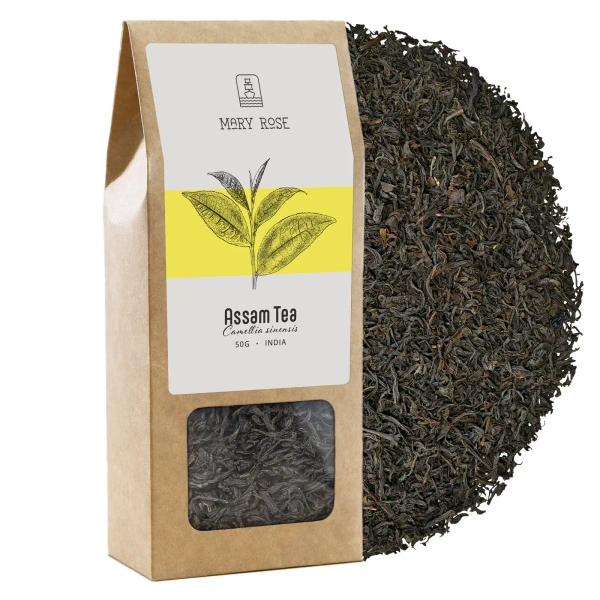
A pure classic. Traditional Indian black tea from the Assam region, with a deep amber colour and a pronounced malty flavour. A reliable boost of energy to help you start the day.
The taste of India in your cup. A robust Assam black tea base combined with traditional warming spices: cloves, cinnamon, ginger, cardamom and black pepper. Brew it with milk and sugar to create a delicious Masala Chai.

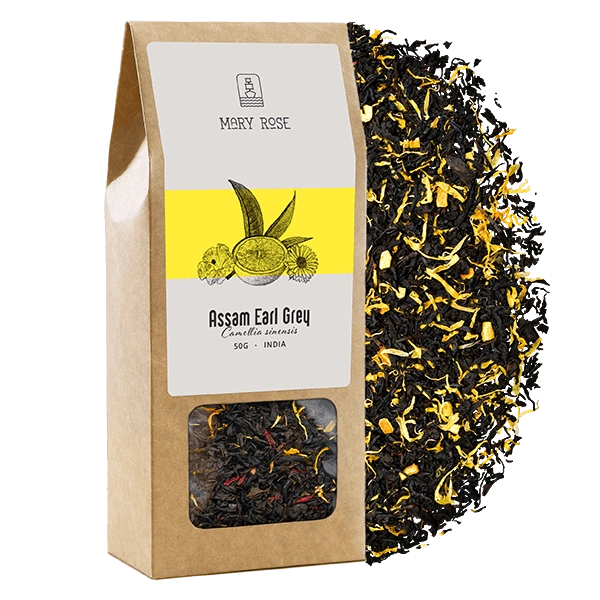
The classic citrus character of Earl Grey in a robust version. An Assam black tea base with marigold petals, orange peel and natural bergamot oil. A refreshing and pleasantly dry flavour profile.
Chinese tea vs Japanese tea vs Indian tea – the key differences
We have already explored the history, growing conditions and signature varieties associated with three of the world’s most important tea traditions. Let us now bring this knowledge together in one place. Although each tradition is based on the same plant – Camellia sinensis – the infusion in your cup can differ dramatically in almost every respect. So how do Chinese tea, Japanese tea and Indian tea compare?
Differences in the flavour and aroma of tea
Your choice of tea origin should primarily depend on the sensory experience you are looking for. Each region has such a distinctive flavour profile that an experienced taster could recognise the difference with their eyes closed. We have prepared a short comparison to help you imagine what to expect:
☕ Tea flavour profiles by region
| Country | Characteristics of the infusion | Dominant notes |
|---|---|---|
| China 🇨🇳 |
Subtle, highly complex and light, without pronounced bitterness. | Floral and fruity notes, roasted nuts and smoke. |
| Japan 🇯🇵 | Fresh and lively, often cloudy, with an intense emerald colour. | Grass, sea air, seaweed and intense, savoury umami. |
| India 🇮🇳 | Full-bodied, dark and robust, with a slightly astringent tannic structure. | Malty, honeyed and wine-like notes, with warming spices. |
As the comparison shows, each of these major tea-producing traditions offers a completely different experience in the cup. You may be wondering how this is possible when all three infusions come from the leaves of exactly the same plant. The answer lies not only in the local climate and growing conditions, but above all in the fascinating craft processes used by tea producers in each region. Let us take a closer look at how these remarkable differences in flavour are created.
Differences in tea production methods
As we have seen, the key to understanding the differences in flavour lies in the way the leaves are processed after harvesting, particularly in how producers manage the natural process of oxidation. Here is a practical overview:
- ✔️ China (dry pan-firing): high heat rapidly stops oxidation. This preserves the freshness of green tea while also bringing out pleasant, lightly roasted and nutty aromas;
- ✔️ Japan (steaming with hot water vapour): instead of using a dry wok, Japanese tea producers expose the leaves to short bursts of hot steam. This gentle process prevents oxidation and helps retain a high proportion of chlorophyll and amino acids associated with the characteristic umami taste;
- ✔️ India (crushing, rolling and full oxidation): this process is quite different. The leaves are deliberately damaged by tearing and rolling them, which releases their cellular juices. Once exposed to oxygen, the leaves darken and develop heavy malty notes and a deep tea character.
Traditional processing techniques are only part of the story. Before the finished leaves can reveal their hidden character in your cup, they need to be brewed properly – and this opens up another fascinating world. In each of these regions, preparing tea goes far beyond a simple culinary activity. It is a deeply rooted tradition, an art form and often a way of building social connections. Let us look at tea rituals and customs across different parts of Asia.
Differences in tea-drinking culture
The way tea is prepared and enjoyed reflects the culture and character of each society. In China, the tradition of Gongfu Cha is particularly well known. It involves using small vessels, such as a traditional gaiwan or a small Yixing clay teapot, and brewing a relatively large quantity of leaves for very short periods. The same leaves are infused repeatedly, allowing participants to observe how the flavour and aroma develop with each successive brew.
Japan, meanwhile, is home to Chanoyu – a highly formalised tea ceremony centred on the preparation of powdered matcha and influenced by Zen Buddhism. Every movement made by the tea master carries significance. In Japanese homes, however, sencha is more commonly brewed in everyday kyusu teapots, recognised by their characteristic side handles.
India offers a very different and vibrant tea culture. Although tea from Darjeeling may be enjoyed with due elegance, often in a British-style setting with porcelain cups, the true spirit of Indian tea can be found in street-side Masala Chai. This sociable drink is prepared in large pots, infused with spices and milk, and served to passers-by in small disposable clay cups known as kulhar.
💡 Bring the experience home! You do not need to travel to Asia to enjoy the atmosphere of these tea traditions. Whether you are fascinated by whisking matcha with a bamboo chasen or prefer to serve your infusion in an oriental glass teapot or an elegant ceramic mug with an infuser, you will find accessories in our shop to give your tea-tasting ritual a distinctive character. Visit the “Tea accessories” category and create your own tea ritual at home.
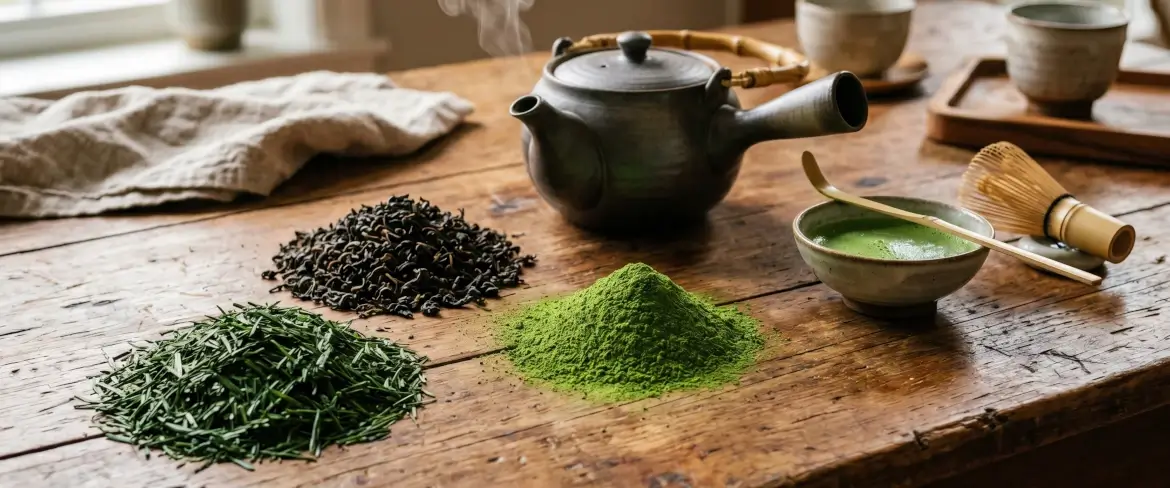
The properties of tea – which tea is the healthiest?
When we begin exploring the world of tea infusions, one important question tends to arise sooner or later: which tea is the best choice from a health perspective? Does Japanese matcha, with its cloudy, vibrant green colour, really offer more than a classic Indian Assam? As is often the case in science, the answer is: it depends.
First, it is worth recalling a fact established at the beginning of our journey: all traditional teas come from the same plant, the tea plant. This means that every cup, regardless of its country of origin, contains naturally occurring compounds. From a botanical perspective, the raw material is the same, but it is the traditional processing method – particularly the degree of oxidation – that determines the final chemical profile of the infusion.
From the perspective of current research, the greatest health-related interest focuses on unoxidised or only lightly oxidised infusions, particularly Chinese green tea, Japanese green tea and white tea. Because they undergo relatively little processing, they retain more of their original polyphenolic compounds, including well-known catechins such as EGCG. These compounds are associated with antioxidant potential and may support the body’s natural defences against oxidative stress. Some studies also suggest anti-inflammatory potential. To learn more about the properties of these infusions, read our article: “Green tea – the elixir of health in a cup”.
In fully oxidised teas, such as Indian black tea, some of the original catechins are transformed into theaflavins and thearubigins. These compounds have a different chemical profile and are also being studied for their potential effects. You can learn more about the properties of black tea in our article: “Is black tea healthy? Discover its properties and nutritional values”. Strong, dark infusions may also provide a more noticeable stimulating effect and support alertness because they contain caffeine, sometimes referred to as theine when it comes from tea. Would you like to learn more about how this works and which cup may contain the most caffeine? Read our article: “Does tea stimulate? Which tea has the most caffeine and which works the strongest?”
💬 Scientific sources:Recent reviews of the scientific literature published in 2020 and 2023 suggest that regular tea consumption, particularly of green and white tea, which are rich in catechins, is associated with antioxidant potential and may support cardiometabolic health. Researchers nevertheless emphasise the importance of moderation. Very high doses of green tea, especially in the form of concentrated extracts, may place additional strain on the liver. The available literature also indicates that pregnant women should seek individual medical advice about tea and caffeine intake, particularly during the third trimester. It is also advisable to avoid drinking tea immediately after it has been prepared with boiling water, as regularly consuming very hot beverages may be harmful to the oesophagus.
- B. Abiri et al., Tea's anti-obesity properties, cardiometabolic health-promoting potentials, bioactive compounds, and adverse effects: A review focusing on white and green teas, Food Science & Nutrition, 2023.
- S. K. Abe, M. Inoue, Green tea and cancer and cardiometabolic diseases: a review of the current epidemiological evidence, European Journal of Clinical Nutrition, 2020.
There is therefore no single tea that can objectively be called “the healthiest” in the world. High-quality Japanese green tea may be an excellent choice for people looking for an infusion rich in naturally occurring polyphenols. Good-quality Indian black tea, meanwhile, can be a suitable option for those who enjoy a more robust flavour and a naturally stimulating drink. The key is to choose loose-leaf teas from reliable sources, enjoy them in moderation and pay attention to how your body responds to them.
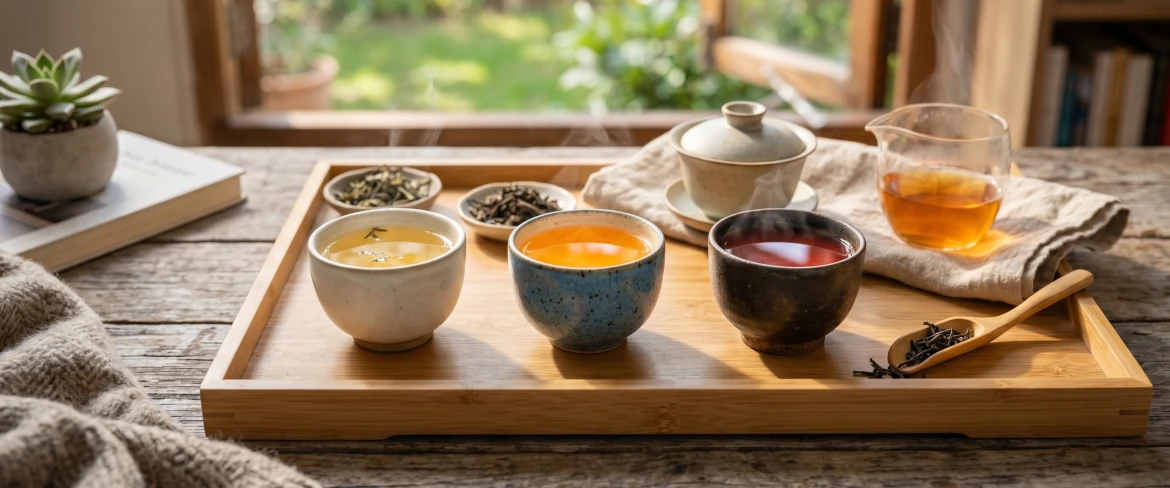
Which tea should you choose? A practical guide
Let us bring everything together. Finding your favourite tea can be a long but fascinating journey. Rather than choosing at random, it is worth considering your everyday taste preferences, as each of the regions discussed here is known for a different sensory experience. Below, we have prepared a short guide to help you make your choice and begin your tea journey with the right cup in hand.
For lovers of delicate flavours – Chinese teas
If you tend to avoid pronounced bitterness and look for lightness, harmony and subtle floral and fruity aromas, Chinese tea could be an excellent choice. A classic Chinese green tea, such as fresh Yunnan or lightly nutty Longjing, offers a gentle profile without overwhelming astringency. It is an ideal option for a relaxed afternoon when you want to unwind with a warming, delicate and naturally sweet infusion.
For green tea enthusiasts – Japanese teas
Perhaps you are looking for a truly fresh, vegetal character in your cup? Japanese tea offers a very different experience. Thanks to the traditional steaming process, Japanese green tea is known for its intense grassy freshness, marine notes and distinctive umami flavour. Varieties such as classic sencha are wonderfully refreshing, while matcha offers an entirely different way to enjoy tea, as the finely ground powder is whisked into the infusion. Choose Japanese teas if you enjoy bold, distinctive profiles and a deep emerald colour in your cup.
For those who enjoy intensity – Indian teas
If your morning calls for a strong, invigorating drink and you appreciate body, astringency and a pronounced flavour, Indian tea may be just what you are looking for. Authentic Indian black tea from the Assam region pairs beautifully with milk and sugar, creating an infusion with rich honeyed and malty notes. If you enjoy warming spice blends, be sure to try traditional Masala Chai, made with a generous selection of aromatic spices. It is a comforting choice for starting the day with plenty of flavour and character.
Remember that there are no wrong choices in the world of tea – only varieties you have not tried yet. Whether your favourite turns out to be a delicate tea from China, a fresh green tea from Japan or an expressive Indian classic, the most important thing is to enjoy the process of brewing and drinking it. Experiment with different types of tea and discover your own preferences, one cup at a time.
Ready for a true tea journey? Boil the water, prepare your favourite cup and let the magic of the East become part of your home.
❓ FAQ – frequently asked questions about Chinese, Japanese and Indian tea
1. How does Japanese green tea differ from Chinese green tea?
2. Is Indian tea always black tea?
3. Which tea is the healthiest?
4. Which tea should you choose when starting out?
5. Do all types of tea come from the same plant?
Sources of information:
- Wikipedia: Camellia sinensis.
- H.-S.-A. Huda et al., Exploring the ancient roots and modern global brews of tea and herbal beverages: A comprehensive review of origins, types, health benefits, market dynamics, and future trends, Food Science & Nutrition, 2024.
- B. Abiri et al., Tea's anti-obesity properties, cardiometabolic health-promoting potentials, bioactive compounds, and adverse effects: A review focusing on white and green teas, Food Science & Nutrition, 2023.
- Y. Shi et al., Characterisation of the volatile compounds profile of Chinese pan-fried green tea in comparison with baked green tea, steamed green tea, and sun-dried green tea using approaches of molecular sensory science, Current Research in Food Science, 2022.
- S. K. Abe, M. Inoue, Green tea and cancer and cardiometabolic diseases: a review of the current epidemiological evidence, European Journal of Clinical Nutrition, 2020.
- B. Gohain et al., Understanding Darjeeling tea flavour on a molecular basis, Plant Molecular Biology, 2012.
Recommended

Mary Rose - Gunpowder Green Tea - 50g

Mary Rose - Assam Tea Compote - 50g

Mary Rose - Yunnan Mango Tea - 50g
