
Iced tea – how to make a refreshing cold drink?
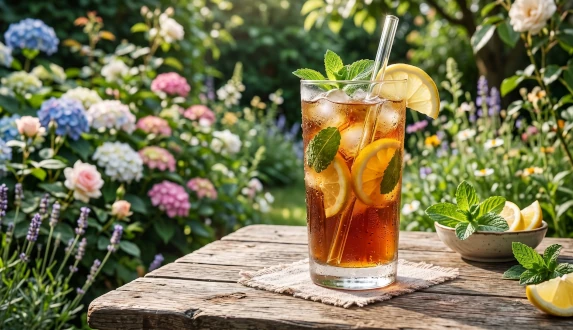
When the temperature outside rises, few things bring as much relief as a glass of cool, aromatic tea. Iced tea is an absolute classic. It quenches your thirst and lets you enjoy the deep flavour of your favourite tea leaves even on the hottest days. In this article, we will show you how to make iced tea that will delight you and the people close to you.
Whether you prefer traditional recipes with tea chilled over ice cubes, or you are curious about modern cold brew tea, on our blog you will find proven recipes, scientific facts and the best add-ins. Remember that the key to success is always high-quality tea. Combined with the right water temperature and the best brewing time, it can work wonders in your glass!
Table of contents:
- What is iced tea?
- How to make iced tea the traditional way?
- Which tea is best for making cold tea?
- Iced tea recipes
- Cold brew tea – an alternative way to make a cold drink
- Tea range at MateMundo
- How to serve and store iced tea?
What is iced tea?
Before we explain step by step how to make iced tea in your own kitchen, it is worth covering the basics. Put simply, iced tea is a traditional infusion of tea leaves (for example black, green or white tea), herbs or fruit, which is first brewed in hot water and then chilled quickly – most often with plenty of ice cubes. This gives you a refreshing drink with a distinct flavour profile that goes very well with fruit and citrus.
Iced tea vs cold tea
In everyday speech these terms are often used interchangeably. However, tea lovers see a subtle but important difference between them. Traditional iced tea is made with high temperature. The leaves are brewed with almost boiling water and then cooled down quickly. Cold tea, on the other hand, can also mean a drink made with a method that gains more fans every year – cold brew.
Tea for cold brewing has no contact with hot water at all. The process of maceration (brewing in cold water) means pouring cold or room-temperature water over the leaves and leaving the container in the fridge for several hours. Cold-brewed tea releases its valuable compounds much more slowly, which gives the final drink a surprisingly different taste and aroma.
💡 Fun fact: Research suggests that a long infusion of tea in cold water extracts more of many valuable compounds, but caffeine is an exception. Brewing the leaves in cold water releases noticeably less caffeine than the traditional method with boiling water. Thanks to the lower extraction of caffeine and bitter catechins, well-prepared cold brew tea has a milder profile, without astringency and with plenty of natural sweetness. It is a great choice for people who want deep refreshment without a strong stimulating effect. If you need a bigger boost of energy, check our other blog post: Does tea stimulate? Which tea has the most caffeine and which works the strongest?
💬 Scientific source: S.-H. Chiang et al., Physicochemical characteristics, sensory quality, and antioxidant properties of Paochung tea infusion brewed in cold water, International Journal of Food Properties, 2020.
Why make iced tea at home?
When we type “how to make cold tea” into a search engine, we soon realise that the biggest advantage of homemade tea is full control over what goes into it. Ready-made bottled drinks from the shop shelf are usually highly processed products. They often contain too much sugar, artificial flavourings, colourings and preservatives, and the natural tea extract makes up only a tiny part of them.
When you prepare the drink in your own kitchen, you are the expert. You can use your favourite tea leaves, experiment freely with add-ins and control the type and amount of sweetener. What is more, you can take care of the brewing technique, which, from a scientific point of view, has a huge influence on the quality of your refreshment.
📌 Good to know:
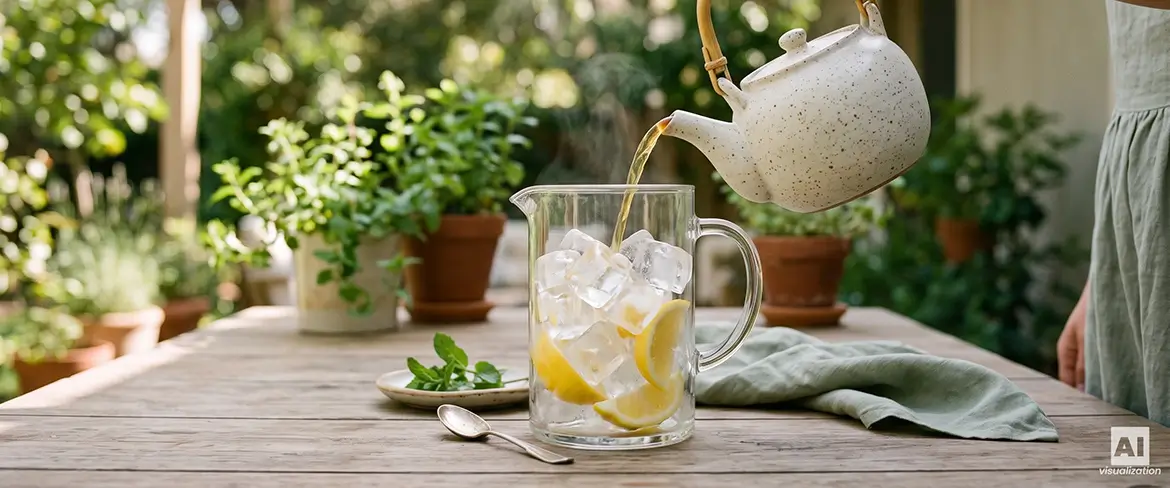
The golden rule of making traditional iced tea is to cool it quickly. Instead of letting the brewed tea cool slowly at room temperature, it is much better to pour the hot infusion straight over ice cubes. Research shows that a rapid drop in temperature helps to create a much better final profile of the drink. As a result, it keeps a vivid, attractive colour and is much clearer. The biggest advantage of rapid cooling, however, is that it slows down the release of tannins – thanks to this, the tea loses its bitterness and astringency and gives a very refreshing taste!
💬 Scientific source: Y.-K. Chen et al., Analyzing the Effects of Rapid and Natural Cooling Techniques on the Quality of Hand-Shaken Green Tea Beverages, Foods, 2024.
How to make iced tea the traditional way?
Classic iced tea is a drink that brings to mind perfect summer refreshment. Making it the traditional way is very simple, but it requires knowing a few key rules. The basic idea is to brew the leaves in hot water and then cool the infusion – best of all by pouring it quickly over ice cubes. This proven iced tea recipe is an excellent starting point for creating your own flavour combinations.
How to make iced tea step by step?
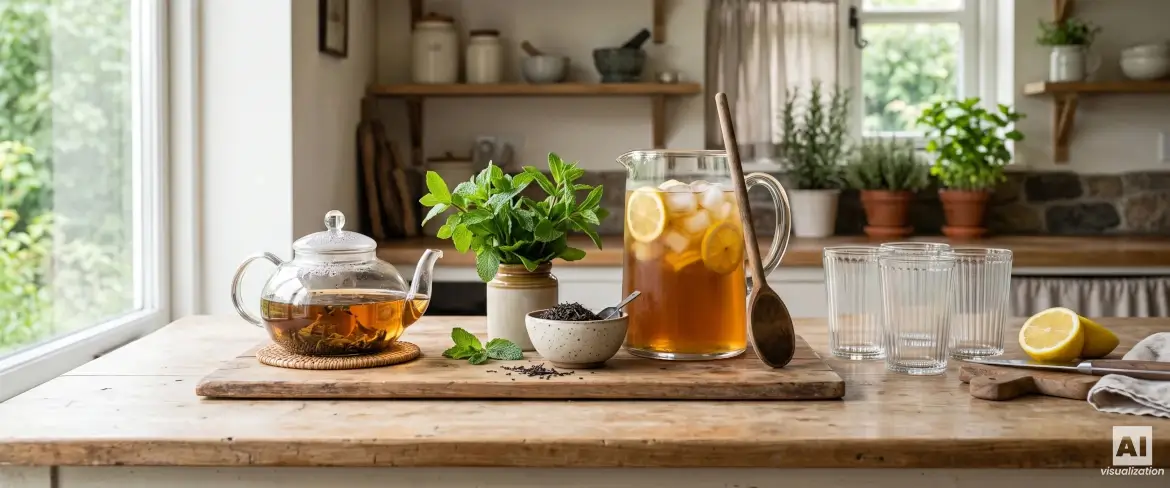
If you are wondering how to make iced tea that is not watery and bland, the key to success is the right proportions. Remember that the ice added at the end will naturally dilute your infusion, so it is worth making the tea a little stronger than you would for a hot drink. So, if you still ask yourself: “How do I make the perfect iced tea?” – follow our simple instructions.
- Step 1: Choose your tea. Pick your favourite tea leaves. Classic black, green or white tea works very well, and so does fruit tea.
- Step 2: Brew. Pour water over the leaves at the temperature right for the given type (for example boiling water for black tea, about 70-80°C for green tea). Use twice as many leaves in relation to the water to get a very intense infusion.
- Step 3: Sweeten. If you plan to use sugar, honey or syrup, add it directly to the hot liquid. The high temperature helps the sweetener to dissolve fully and evenly.
- Step 4: Strain. Separate the leaves from the concentrate carefully, to stop the extraction and to avoid too much bitterness in the jug.
- Step 5: Cool. Pour the hot infusion straight into a large container filled to the top with ice cubes. Rapid cooling locks in the best flavour notes and the beautiful colour of the drink!
What add-ins go well with iced tea?
Homemade cold tea is a true canvas for your culinary imagination and a great reason to experiment with flavour. The right add-ins can completely change the character of the drink, giving it a tropical, very refreshing or slightly spicy finish. Adding fruit or herbs to a classic infusion not only balances the natural bitterness of the leaves, but also makes the drink look very appetising in a glass. Whether you prefer proven solutions or want bolder, modern combinations, the possibilities are almost endless. What is worth adding to your jug?
- ✔️ Citrus fruit: lemon, lime, orange and grapefruit are absolute classics. They bring a pleasant acidity and a fresh aroma to the glass.
- ✔️ Fresh fruit: pieces of peach, strawberries, raspberries, and even juicy watermelon or mango. Fruit slowly releases its natural sweetness into the infusion.
- ✔️ Herbs: fresh mint, lemon balm, rosemary or basil add a lot to the flavour profile of the drink and look great in the glass.
- ✔️ Ginger: a few slices of fresh ginger root add an intriguing, slightly spicy note.
- ✔️ Sweeteners: natural honey, agave syrup, maple syrup or dedicated fruit syrups, which easily vary the base flavour.
It is worth remembering that the secret of a perfect combination lies in preparing the ingredients well. Fresh herbs such as mint or basil are best gently rubbed between your hands before you add them to the jug – this way they release much more of their essential oils. Fruit and citrus, in turn, are best cut into thinner slices, which makes it easier and faster for them to release their juice into the cool infusion. You can freely combine these elements in any proportions, creating a completely unique mix each time.
💡 Tip: Do you want to take your drink to the next level? In the glass, you can top up the chilled tea concentrate with well-chilled sparkling water (instead of still water). Such a sparkling tea spritz is an excellent and very refreshing alternative to popular sweet summer drinks!
Before you start planning fruit add-ins and sparkling variations, you need to make the most important decision – choosing the right base. Technically, any tea leaves can be chilled, but not every type of leaf reacts to this process in the same, best way. Different types of tea give very different experiences once ice is added. So let us take a closer look at which tea to choose first to get a truly perfect result.
Which tea is best for making cold tea?
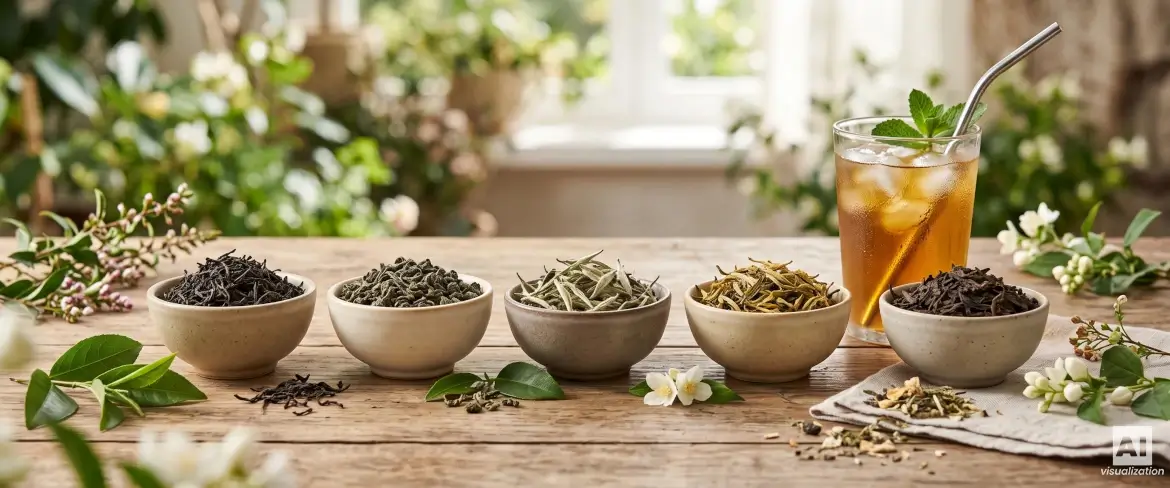
In theory, any high-quality tea can be chilled, but each type has a different aroma profile, which low temperature can change completely. Choosing the right leaves is a key step to getting the perfect balance of flavours in your glass. It is worth experimenting and matching specific types of leaves with add-ins, because different tea bases open up completely different culinary possibilities.
- 👉 Black teas: these are the foundation of classic drinks served with ice. They have a distinct, deep taste that stands out through the cold of the ice and does not become watery. A traditional, strong black brew goes very well with bold citrus fruit (lemon, orange), sweet peaches and fresh mint.
- 👉 Green teas: these offer a much lighter, more vegetal and subtle profile. They are very refreshing and, because they contain fewer tannins, they are less likely to turn bitter. They work very well with lime, fresh cucumber, strawberries and basil. A well-prepared cold green tea is a wonderful, mild alternative to darker infusions.
- 👉 Pu-erh teas: although red pu-erh leaves are mostly associated with hot infusions, which may support digestion, after chilling they gain a very intriguing, slightly earthy finish. Because of their specific character, it is worth combining them with bolder add-ins – spicy ginger root, grapefruit or a sprig of rosemary go very well with them.
- 👉 Yellow teas: these are a real rarity on the market, with minimal astringency and a naturally sweet, slightly floral aroma. They need very gentle treatment, so it is best to serve them without overpowering add-ins and to choose subtle accents instead, such as melon, a little agave syrup or edible flower petals.
Whether you want a traditional blend poured over ice cubes, or you are curious about long-extracted, very aromatic cold-brewed tea, the most important thing is always the quality of the raw material. Choose loose-leaf tea instead of popular tea bags. Whole leaves release the full range of their natural essential oils on contact with water, giving a much richer taste without flat astringency.
Iced tea recipes
Once you know the key rules, it is time for practice. Making a refreshing homemade drink is a great opportunity for culinary experiments. Below, we have collected simple but very effective ideas for how to make iced tea, using the highest-quality tea leaves available in our shop. These iced tea recipes are based on the traditional method of hot brewing and rapid cooling.
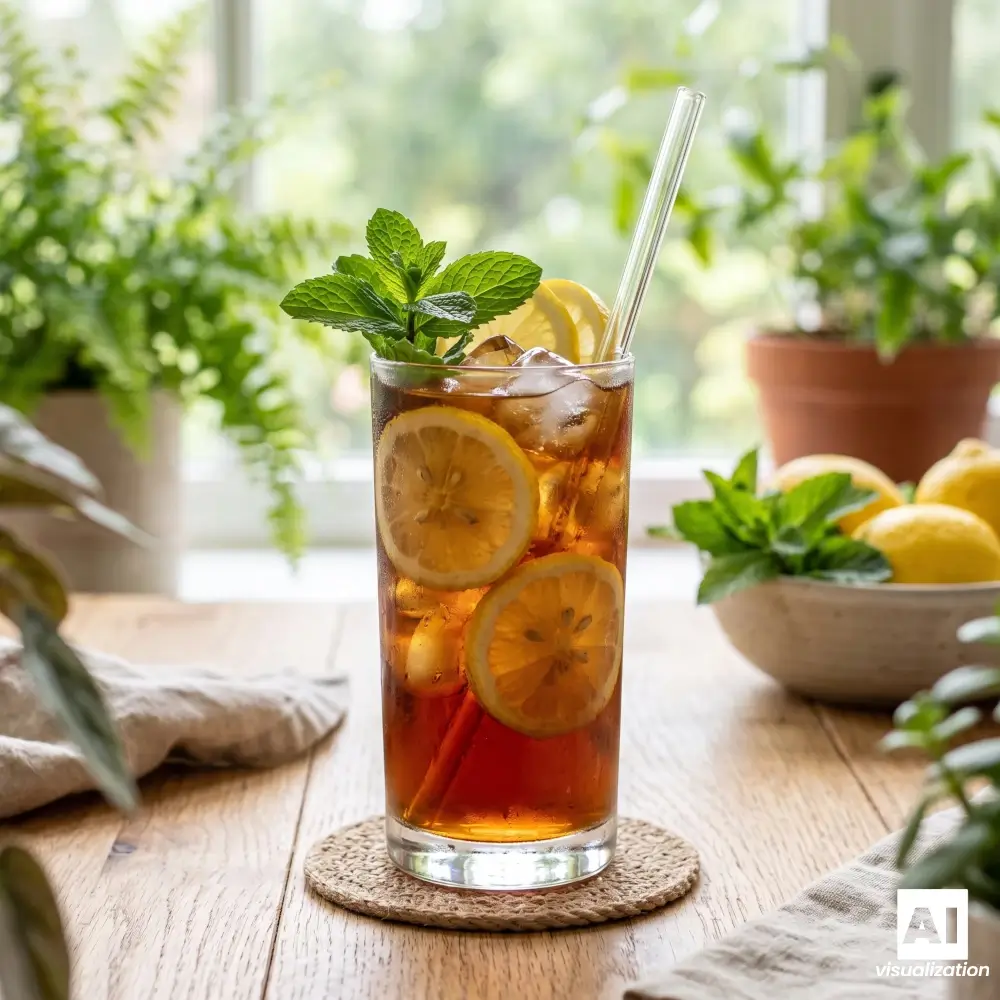
Classic iced black tea with lemon and mint
Black tea is the foundation of the most traditional iced tea recipe. Its strong, distinct character means the infusion does not lose intensity after you add a lot of ice. Combined with fresh lemon and mint, it creates a drink that reliably quenches thirst on hot days.
🍋 How to make iced tea? A classic black iced tea recipe
Ingredients:
- 2-3 teaspoons of loose-leaf black tea
- 1 lemon (scalded and cut into slices)
- a handful of fresh mint leaves
- optional: honey or agave syrup
- plenty of ice cubes
Preparation:
- Brew the black tea in about 300ml of boiling water. Leave it for 3-5 minutes to get a strong, aromatic concentrate.
- If you use a sweetener, add it directly to the hot infusion and stir well, then strain out the leaves.
- Take a large jug, fill it halfway with ice cubes and pour in the hot tea.
- Add the lemon slices and the mint, rubbed between your hands. Top it up with a little cold water (or sparkling water) and stir.
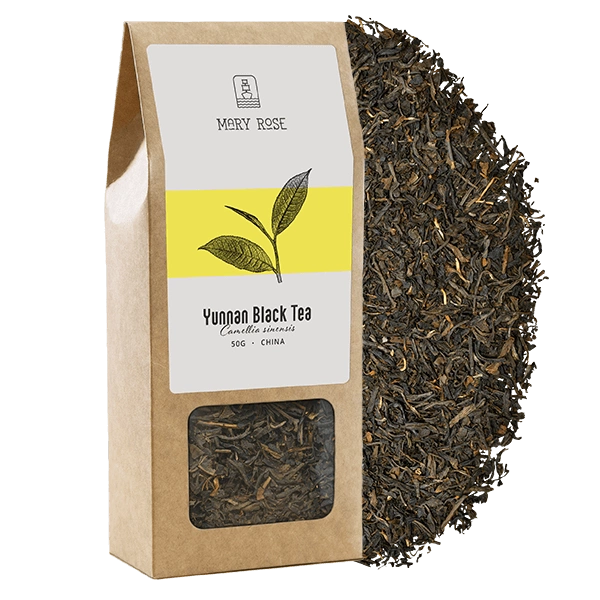
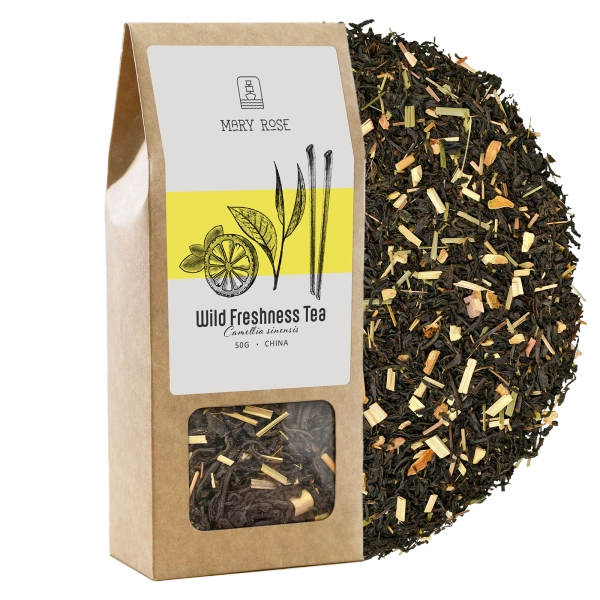
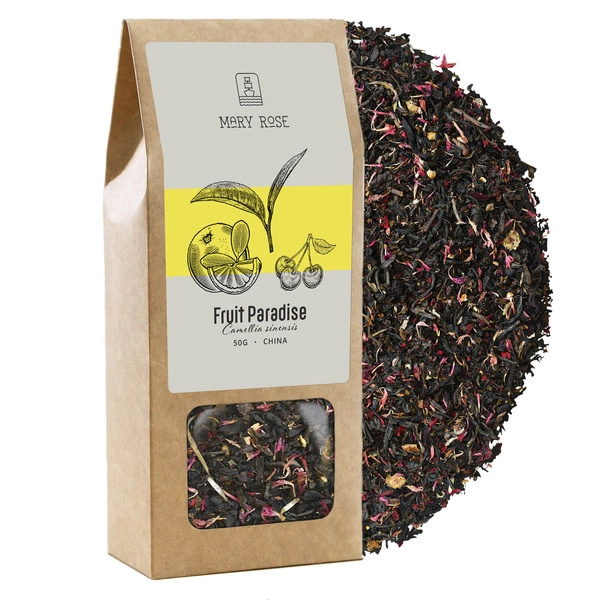
Choosing the right base for cold tea is very important. Melting ice and strong citrus can easily dominate the drink, so you need tea leaves that stay distinct and rich in character after chilling. We strongly advise against tea bags, which are often made from tea dust. Choose whole leaves instead – on contact with hot water they release a rich aroma, a deep colour and natural essential oils. For a classic iced drink, the high-quality black teas from Mary Rose are a perfect choice. They offer not only a careful selection of ingredients, but also a well-balanced taste that goes perfectly with fresh add-ins:
Classic Yunnan black tea with a deep, clean taste. An ideal base for experiments with “brewing” in cold water.
An original blend based on Assam black tea, enriched with lemon peel and lemongrass. It brings out citrus notes beautifully.
Yunnan black tea with orange peel, strawberry, chokeberry and hibiscus. It gives a sweet, fruity finish.
Iced green tea with lime and peach
If you prefer lighter and more subtle flavours, iced green tea is a perfect choice. The key element when preparing it is watching the water temperature. Green leaves should never be brewed with boiling water – water at 70-80°C prevents too much bitterness from being released. This delicate cold green tea goes wonderfully with the sweetness of fresh peaches and refreshing lime.
🍑 Cold green tea – a recipe for green tea with peach
Ingredients:
- 2-3 teaspoons of your favourite green tea
- 1 lime (cut into thin slices)
- 1 ripe peach (cut into wedges)
- a few mint leaves
- ice cubes.
Preparation:
- Pour water at 70-80°C (about 300ml) over the green tea leaves and brew for 2-3 minutes.
- Strain the infusion to stop the extraction, which will give the drink a sweet and delicate profile.
- Pour the infusion straight into a container filled with plenty of ice.
- Add the peach wedges, lime slices and mint. Leave for a few minutes so that the fruit starts to release its natural juice, then enjoy the wonderful refreshment!
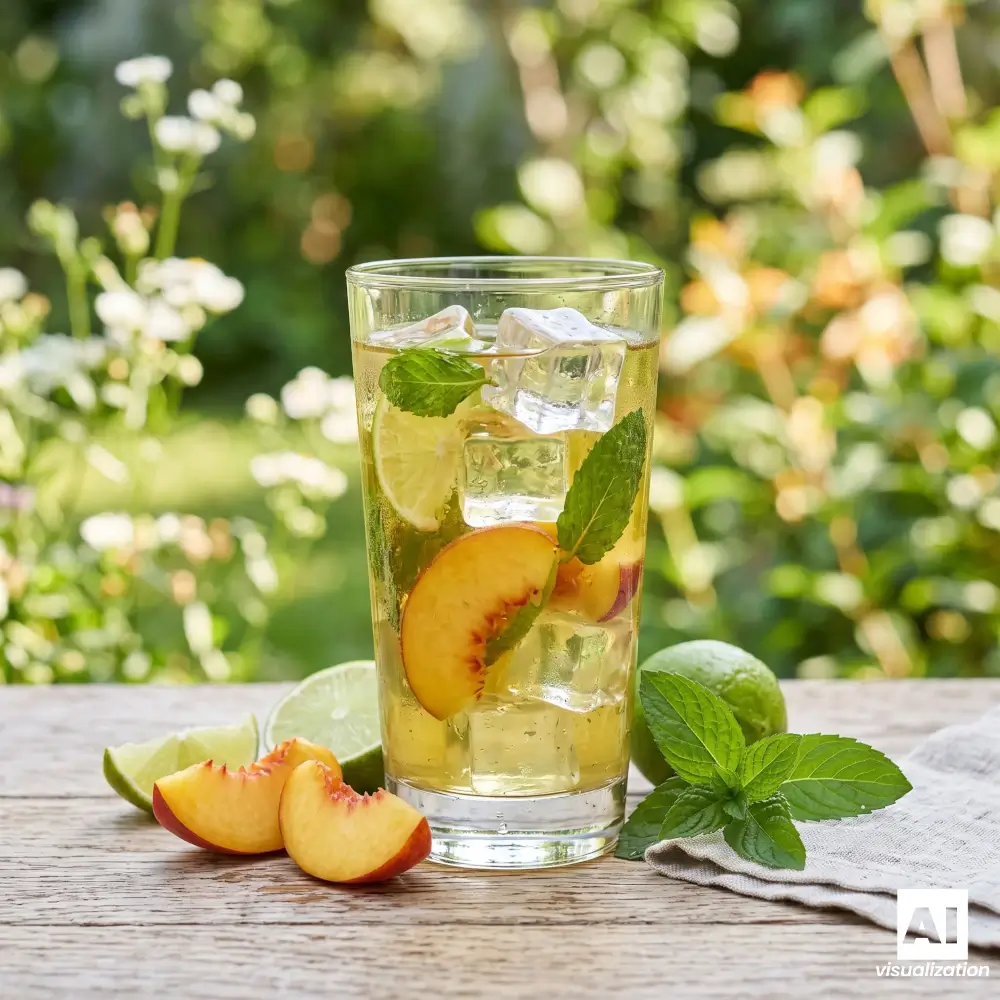
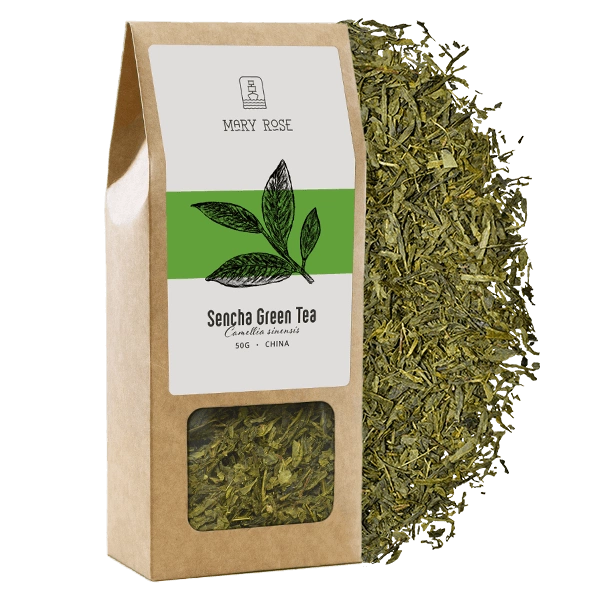
The delicate, naturally vegetal profile of green tea is an ideal background for sweet and juicy fruit such as peach, mango or strawberry. The key to a perfect balance of flavours, however, is to use high-quality whole leaves and to avoid the weak tea dust typical of tea bags. Remember that the delicate leaves of green tea, when brewed correctly – that is, with water not hotter than 80°C – do not release too many astringent tannins. Thanks to this, the finished drink stays very mild, fresh and quenches thirst perfectly. For light cold combinations, the carefully selected green teas from Mary Rose work very well. Whether you choose a classic, pure base for your own experiments or a ready blend enriched with natural ingredients, the final result in your glass will certainly be excellent!
Pure, 100% green sencha tea. Its subtle, naturally vegetal taste brings out the fruit add-ins in the glass very well.
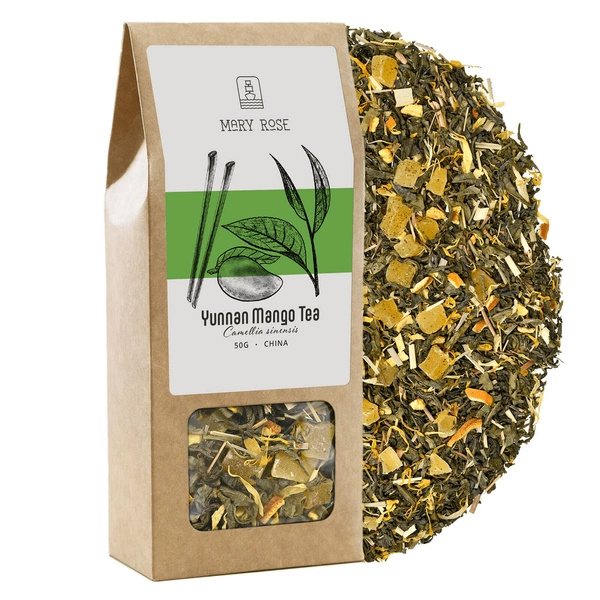
A combination of Yunnan green tea with lemongrass, mango, orange peel and marigold petals. A very exotic choice.
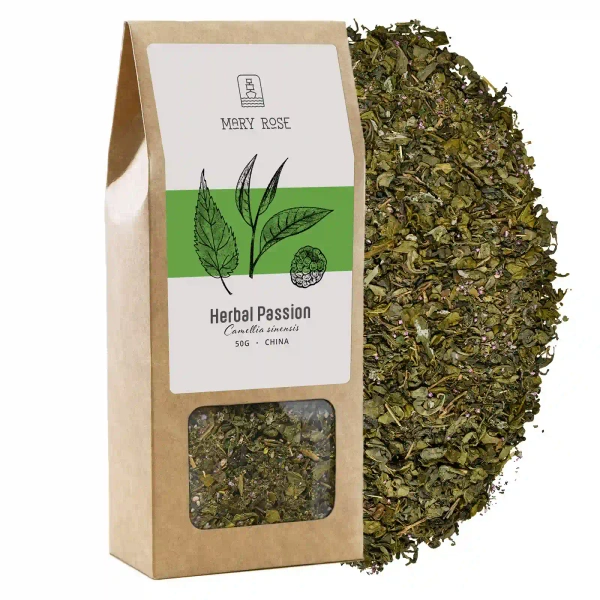
The base is gunpowder green tea, enriched with raspberries, cistus, nettle and heather flowers. It combines refreshment with a herbal aroma beautifully.
Cold brew tea – an alternative way to make a cold drink
If the classic method with boiling water and a lot of ice seems too much work, or you simply want completely new, deep sensory experiences, cold brew tea is an excellent alternative. This trend, which grows more popular every year, proves that high temperature is not necessary to make a delicious, refreshing infusion. On the contrary – low temperature can bring out the finest qualities of the leaves.
What is cold brew tea?
This term means nothing other than a slow maceration process. True cold brew tea is made only by “brewing” the leaves in cold water for a long time. Instead of a fast thermal extraction that lasts a few minutes, the process is deliberately stretched to several hours. The slow exchange between water and leaves means that compounds are released in a completely different way. As a result, the drink has no tannin astringency at all. It becomes smooth, naturally sweet and very aromatic.
💡 Fun fact: Research indicates that macerating tea in cold water may release and preserve its health-supporting properties more effectively. Cold water helps to prevent the thermal degradation of sensitive bioactive compounds. Thanks to this, such a drink may keep a higher antioxidant capacity than the very same leaves brewed with hot water.
💬 Scientific source: S. Castiglioni et al., Influence of steeping conditions (time, temperature, and particle size) on antioxidant properties and sensory attributes of some white and green teas, International Journal of Food Sciences and Nutrition, 2015.
How to make cold brew tea?
Preparing this drink is very simple and takes minimum effort – the key to success is time and a lot of patience. Here is a proven, universal cold brew tea recipe that you can easily make at home.
🧊 Cold brew tea recipe – a universal method
Ingredients:
- 1.5-2 tablespoons of loose-leaf tea (about 10-15 grams)
- 1 litre of cold, filtered water
- optional: fresh fruit or a sprig of herbs (for example mint)
Preparation:
- Put the measured portion of leaves into a large, clean jug or glass bottle.
- Pour good-quality cold water over the leaves. Stir gently.
- Cover the container and put it in the fridge for at least 8 hours, ideally 10-12 hours (it is best to leave the infusion overnight).
- After this time, strain the leaves well to stop the maceration. Keep the finished drink in the fridge and serve it straight into glasses!
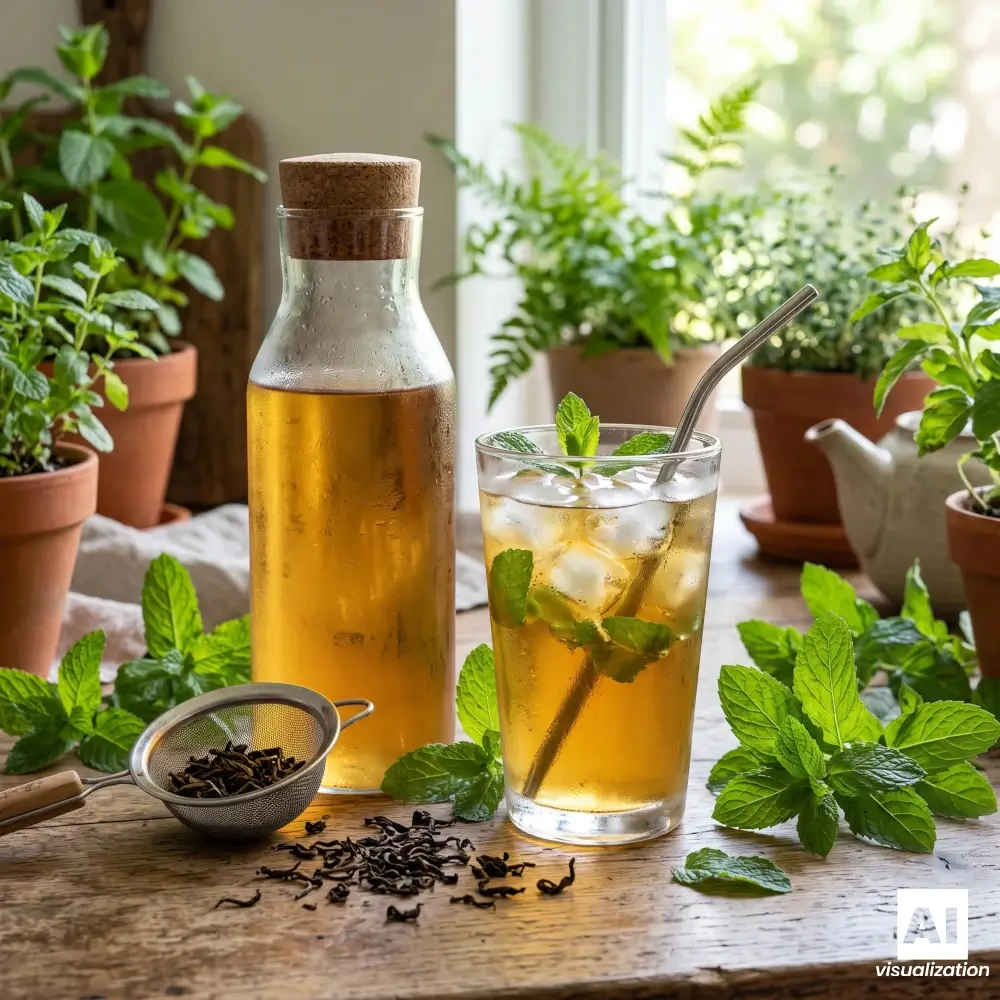
Which tea is best for cold brewing?
Thanks to the gentle extraction process, tea for cold brewing can take many different forms. Although this method forgives many mistakes, some types develop a truly spectacular bouquet of flavours in cold water.
Green tea is especially worth considering for the cold brew method. Unlike traditional brewing, where it is easy to release too much unpleasant bitterness, in cold water it becomes incredibly delicate, fresh and naturally fruity and floral. White tea gives similarly wonderful results – its subtle, sensitive notes are fully protected from high temperature.
Darker types – such as black tea or oolong – can also be a surprise. Cold-brewed tea like this becomes very smooth in taste and loses its astringency completely, which makes it a perfect base for summer meals. Whichever type you choose, remember to always use high-quality tea, preferably whole leaves, which will have room to unfurl freely and give their best qualities during many hours in the water.
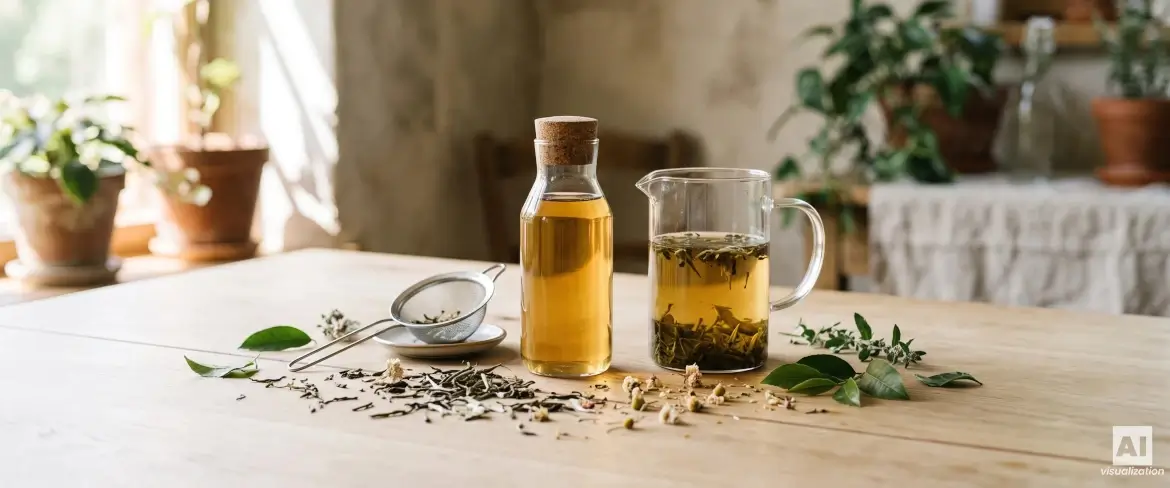
Tea range at MateMundo
We have presented classic recipes for refreshing drinks made with black and green tea leaves. However, the world of teas is much richer, and making cool drinks at home is a great opportunity to discover completely new flavour profiles. Knowing where each type of leaf comes from, and how processing affects the final aroma, can be fascinating. If you want to learn more about this topic, be sure to read our blog article: Tea around the world: how do Chinese, Japanese and Indian tea differ?
In our shop, you will find a wide choice of special teas that work wonderfully at low temperatures. Below, we have collected simple ideas for using them in your kitchen, creating a great alternative to standard recipes.
- ✔️ Pu-erh tea – a red tea with a distinct, slightly earthy and deep profile.
Serving idea: pour a strong, hot infusion straight over ice and combine it with freshly squeezed grapefruit juice and a few thin slices of spicy ginger root. - ✔️ Rooibos tea – an infusion made from the red bush plant, which is naturally caffeine-free and offers very pleasant honey and woody notes.
Serving idea: slow maceration in the fridge with slices of fresh apple and a little real vanilla pod. - ✔️ Oolong tea – semi-oxidised leaves that combine the freshness of green teas with the depth of black teas, often with a noticeable floral finish.
Serving idea: quick cooling of the infusion, combined with a sprig of fresh rosemary and pieces of sweet, ripe peach. - ✔️ White tea – the most delicate of all teas, with a very subtle, mild aroma that needs careful handling.
Serving idea: brewing in ice-cold water (at least 10 hours), enriched with light-coloured grapes, a little agave syrup and mint leaves. - ✔️ Yellow tea – a real rarity among teas. It stands out for having no astringency and a naturally sweet profile.
Serving idea: served in a very minimalist way, only with plenty of ice cubes and a few edible flower petals, so as not to overshadow its refined taste.
Replacing classic leaves with these less common ones lets you create truly unique flavour combinations. Remember that you can prepare each of these types both with the traditional method of rapidly cooling boiling water, and with many hours of maceration in cool water. Experiment with time, proportions and your favourite add-ins to find your perfect recipe for summer days!
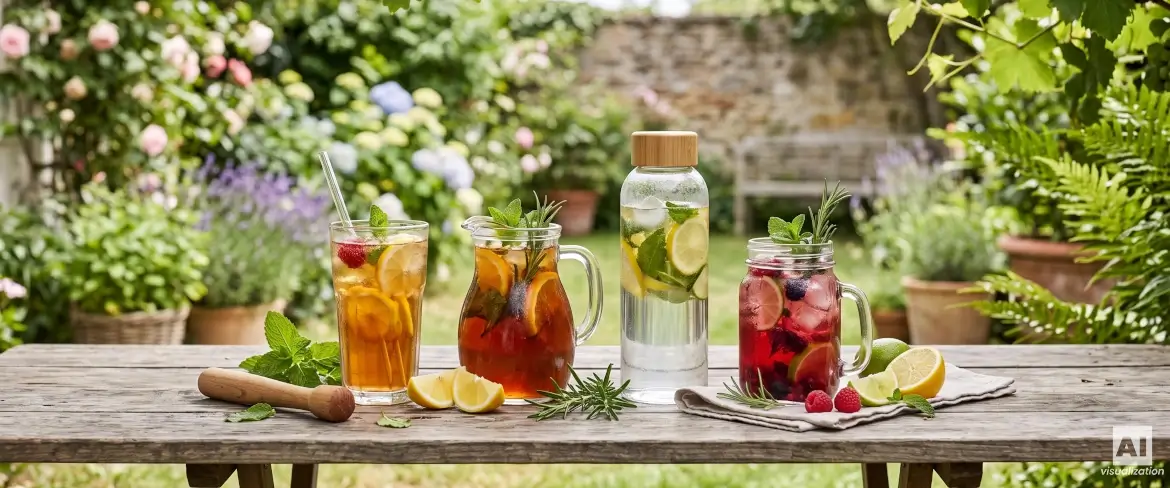
How to serve and store iced tea?
A perfectly composed, refreshing taste is only half of the success. Just as important are the visual presentation and the right storage of the finished infusion. With a few simple tricks, your homemade iced tea will look like a drink from the best professional café, and its wonderful aroma and valuable properties will last much longer.
The best glasses and containers for iced tea
Choosing the right glassware not only improves the look of the drink, but also makes it more comfortable to drink a beverage full of ice and fruit. These work best for serving cold tea:
- ✔️ tall glasses made of thick glass: they show off the layers of the drink and the colourful add-ins very well, and the thick walls release the cold more slowly, so the ice does not melt too fast;
- ✔️ glass jugs: an absolute basic if you are preparing the drink for more people. It is worth choosing models with a wide neck, which makes it easier to add and later remove large pieces of fruit;
- ✔️ jars with a handle: a very popular, roomy and very practical solution. They have a wide opening, look great and go perfectly with reusable straws;
- ✔️ bottles and thermal flasks: an excellent choice if you want to take your drink to work or on a walk. Insulated versions will keep the tea refreshingly cold for many hours.
How to serve cold tea in style?
Making the drink at home gives you full freedom in decorating it. To make the drink look very attractive, it is worth taking care of the details. Slices of fresh citrus fruit can be not only dropped inside, but also cut and hung on the rim of the glass. Long sprigs of fresh mint, rosemary or lavender sticking out above the surface of the liquid will give the whole drink a very elegant, botanical character.
💡 Fun fact: Do you want to make a really spectacular impression? Prepare decorative ice cubes! Just put fresh fruit (for example raspberries, blueberries or pieces of strawberry) or single mint leaves into ice cube trays and cover them with water. Ice made this way not only cools wonderfully and slowly releases flavour, but above all looks fantastic in the glass.
How long can you store the finished drink?
To keep the maximum freshness, the wonderful taste and the high antioxidant content, the finished tea should be stored only in the fridge. It is very important that the container (a jug or a bottle) is tightly closed. Water-based tea extracts absorb smells from their surroundings very easily, which can completely spoil the sensory profile of the drink.
Properly covered cold tea can be stored in the fridge for up to 2-3 days. It is worth remembering, however, that it is best to drink it within the first 24 hours after preparation – this is when it offers the richest aroma and the strongest refreshing effect. If you plan to store the infusion for longer, remember to take out the fresh fruit first (especially citrus fruit with peel), because after a longer time it can make the drink bitter.
📌 Summary:
Making excellent cold tea yourself is very simple, healthier and very satisfying. Whether you choose the traditional way of brewing leaves with boiling water and cooling them quickly with ice, or you decide on slow, cool maceration with the cold brew method, the key to success is always the quality of the leaves you use. Discover different types, experiment with fruit add-ins and create your own unique combinations that will brighten every warm day.
We hope that, thanks to the tips above, summer refreshment will take on a completely new, richer dimension in your home. Replacing sweetened, bottled drinks with your own homemade infusion is an important step towards balanced nutrition, but above all – a great opportunity to discover the fascinating world of different aromas. From strong black blends with fruit to delicate light types slowly extracted in the cold, the culinary possibilities are endless.
Remember that the kitchen is a space for free experiments. If your goal is a delicious, personalised iced tea, treat the recipe from our blog only as an inspiring base. Change the proportions, choose unusual add-ins and play with the water temperature until you find your absolute flavour ideal. We are convinced that with the right, high-quality tea leaves, every such test will end in delicious success!
Discover the magic of natural refreshment and find your new favourite base for iced experiments!
❓ FAQ – frequently asked questions about iced tea
1. How to make iced tea without sugar?
2. Can iced tea be made from any type of tea?
3. Is cold brew tea the same as iced tea?
4. Can you make iced green tea?
5. How to make iced tea quickly?
Sources:
- Y.-K. Chen et al., Analyzing the Effects of Rapid and Natural Cooling Techniques on the Quality of Hand-Shaken Green Tea Beverages, Foods, 2024.
- S.-H. Chiang et al., Physicochemical characteristics, sensory quality, and antioxidant properties of Paochung tea infusion brewed in cold water, International Journal of Food Properties, 2020.
- S. Castiglioni et al., Influence of steeping conditions (time, temperature, and particle size) on antioxidant properties and sensory attributes of some white and green teas, International Journal of Food Sciences and Nutrition, 2015.
Recommended

Mary Rose - Gift set of tea + teapot with brewer

Mary Rose - tea set

Gift basket premium tea set
